




When you notice ac temperature not going down, it can be confusing and frustrating. The AC is running, the display shows a low temperature, but the room still feels warm or uncomfortable. In hot climates like the UAE, this problem affects sleep, work, health, and energy bills very quickly. Many people assume the AC is “broken,” but in reality, this issue is often caused by a combination of airflow problems, system strain, hygiene issues, or incorrect settings. This guide explains 12 practical ways to solve the problem logically, so you understand what is happening, what you can safely check yourself, and when professional help becomes the smarter option.
Table of Contents
Toggle#1 Check Thermostat Settings and Mode First
One of the simplest but most overlooked reasons for ac temperature not going down is incorrect thermostat settings. This is always the first thing to check before assuming there is a technical failure.
Make sure that:
- The AC is set to Cool mode, not Fan or Dry mode.
- The temperature setting is actually lower than the current room temperature.
- The fan speed is not locked on very low.
Sometimes, the thermostat sensor may be exposed to direct sunlight or placed near a heat source, causing incorrect readings. If the thermostat thinks the room is already cool, it will reduce cooling output even though the space still feels warm.
#2 Clean or Replace Dirty Air Filters
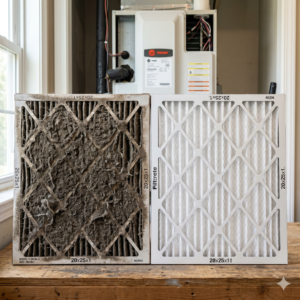
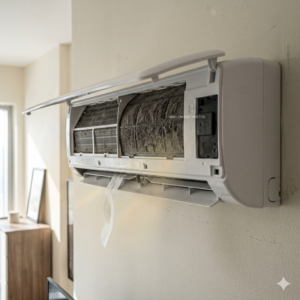
Dirty air filters are one of the most common causes of ac temperature not going down. When filters are clogged with dust, airflow is restricted, and cool air cannot circulate properly.
This leads to:
- Weak airflow from vents
- Longer running time with poor cooling
- Higher electricity consumption
Filters should be cleaned or replaced regularly, especially in dusty environments. If filters have not been cleaned for months, this simple step alone can restore noticeable cooling performance.
#3 Check for Blocked or Restricted Airflow
Even if your AC is producing cold air, blocked airflow can prevent the room from cooling down.
Common airflow issues include:
- Furniture blocking air vents
- Closed or partially closed vents
- Collapsed or disconnected duct sections
If airflow feels weak in multiple rooms, the issue may be inside the duct system. In such cases, professional AC duct cleaning may be needed to remove dust buildup that restricts air movement.
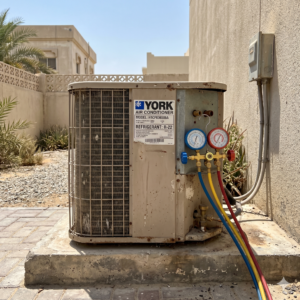
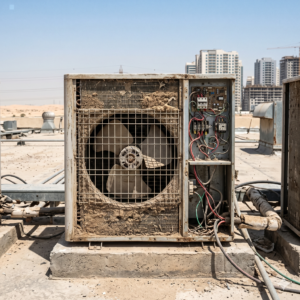
#4 Inspect the Outdoor Unit for Obstructions
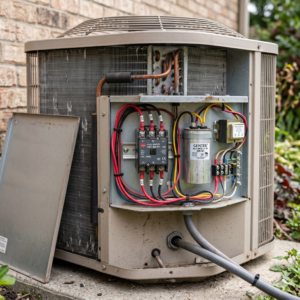
The outdoor unit plays a critical role in releasing heat. If heat cannot escape, cooling efficiency drops.
Check whether:
- The outdoor unit is surrounded by debris, dust, or leaves
- Airflow around the unit is blocked
- The condenser fins appear dirty
When heat is trapped outside, the system struggles to cool inside. Cleaning the area around the outdoor unit often improves performance.
#5 Look for Signs of Refrigerant Problems
Low refrigerant is another major reason for ac temperature not going down. Refrigerant is essential for absorbing heat from indoor air.
Signs of refrigerant issues include:
- AC runs continuously but does not cool
- Ice forming on coils
- Hissing sounds near the unit
Refrigerant does not get “used up.” If levels are low, there is usually a leak. Proper AC gas refill and leak repair focuses on finding and fixing leaks, not just refilling gas temporarily.
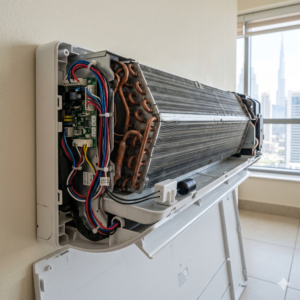
#6 Check for Dirty Evaporator or Condenser Coils
Coils transfer heat. When they are dirty, heat exchange becomes inefficient.
Dirty coils can cause:
- Slow cooling
- Uneven temperature distribution
- Higher energy usage
Coil cleaning is often part of moderate repair or maintenance work. In heavily contaminated systems, AC deep cleaning may be required to restore proper heat transfer.
#7 Check for Frozen Coils
Frozen coils are a clear sign that something is wrong. When coils freeze, airflow drops and cooling stops.
Common causes include:
- Dirty filters
- Low refrigerant
- Poor airflow
If you notice ice buildup, turn off the AC and let it thaw. Running the system while frozen can damage components.
#8 Evaluate Room Size vs AC Capacity
Sometimes ac temperature not going down has nothing to do with faults. The AC unit may simply be undersized for the room.
Signs of capacity mismatch include:
- AC runs non-stop without reaching set temperature
- Cooling feels uneven
- High electricity bills with limited comfort
A professional assessment may show that adjustment or replacement is more effective. Understanding proper sizing through AC installation and replacement guidance helps avoid endless repair attempts.
#9 Check Doors, Windows, and Insulation
Cool air can escape faster than your AC can produce it.
Common heat gain sources include:
- Poorly sealed doors and windows
- Direct sunlight through glass
- Lack of insulation
Even a well-functioning AC will struggle if warm air constantly enters the room.
#10 Inspect Electrical and Control Components
Electrical faults can limit cooling output without stopping the AC completely.
Examples include:
- Faulty sensors
- Control board issues
- Incorrect fan operation
These issues require professional diagnosis. Attempting DIY electrical repair often causes more damage.
#11 Consider Maintenance History
Neglected systems often develop multiple small issues that combine into poor performance.
Regular care through AC maintenance and AMC services helps prevent gradual performance loss and sudden failures.
Maintenance addresses dust, wear, lubrication, and early warning signs before they affect cooling.
#12 Understand When Repair Is No Longer Enough
If you have tried multiple fixes and the problem keeps returning, the system may be reaching the end of its efficient life.
Continuing to repair an aging or mismatched system can lead to higher costs over time. A professional evaluation helps you decide when replacement is the smarter long-term solution.
Other Important Things to Know When AC Temperature Is Not Going Down
DIY Checks vs Professional Diagnosis
Basic checks like filter cleaning and thermostat settings are safe DIY steps. However, deeper issues involving refrigerant, coils, or electrical parts require professional tools and experience.
DIY attempts beyond basic checks often lead to misdiagnosis, wasted money, and further damage.
Understanding Repair Cost Expectations
Costs depend on the root cause. Minor fixes may be affordable, while refrigerant leaks or major component issues require more investment. Transparent inspection before repair helps you understand where your money goes.
For updated pricing references, you can check our pricing page.
How to Prevent This Problem From Happening Again
Prevention focuses on consistency:
- Clean filters regularly
- Schedule seasonal inspections
- Address small issues early
- Avoid continuous heavy use without maintenance
When AC Temperature Problems Should Be Handled Properly
When ac temperature not going down is ignored, it often leads to higher electricity bills, uncomfortable indoor conditions, unhealthy air, and permanent system damage. Bio On Air helps address these issues through structured inspection, safe repair procedures, and clear explanations. Acting early is a preventive decision that protects comfort and cost. You can use the WhatsApp or Call button at the top right of this page to discuss your AC condition with our team.
Conclusion
When you face ac temperature not going down, the solution is rarely one single action. Cooling performance depends on airflow, cleanliness, refrigerant balance, system sizing, and proper control. By following these 12 solutions, you can understand what is happening, take safe first steps, and know when professional help is necessary.
Instead of guessing or repeating temporary fixes, a structured approach saves time, energy, and money. In the UAE’s climate, maintaining reliable cooling is essential. Addressing problems early and choosing the right repair support helps ensure consistent comfort, healthier indoor air, and long-term system reliability.