




Understanding ac unit types is not just about knowing names like split or central systems. It is about choosing the right cooling solution based on your living situation, renovation limits, budget, climate, and long-term comfort goals. Many buyers regret their decision not because the AC was “bad,” but because it did not match their real needs. This guide helps you compare AC unit types in a practical, ownership-focused way so you can choose confidently and avoid costly mistakes.
Table of Contents
ToggleQuick-Match Guide: AC Unit Types by Real-Life Use Case
Instead of starting with technical categories, let’s begin with real-life scenarios. Most people searching for information on ac unit types want to solve a specific problem: cooling a rented apartment, upgrading an older home, reducing energy bills, or converting a garage. Here is a simplified way to match systems to needs.
Renter-Friendly and No-Renovation Options
If you are renting or cannot modify walls or ductwork, your best options usually include:
- Portable AC units – movable, require only a window for exhaust hose.
- Window AC units – installed within a window frame without permanent construction.
These systems are ideal when renovation is not allowed. They are relatively simple to install and remove when you move out. However, they typically cool a single room and may be noisier compared to other systems.
Whole-Home Comfort Systems
If you own a home and want consistent cooling across multiple rooms, the most common choice is:
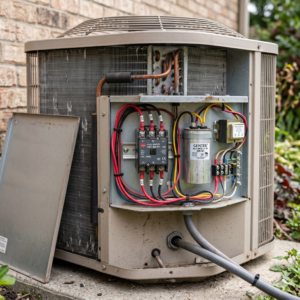
- Central AC systems – connected to ductwork, distributing air throughout the home.
Central systems offer balanced cooling and cleaner aesthetics since there are no visible indoor units in each room. However, they require proper ductwork and professional installation.
Ductless Solutions for Older Houses
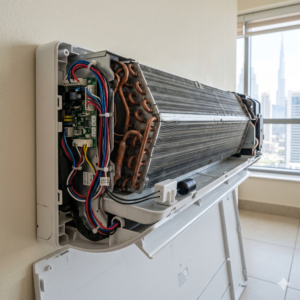
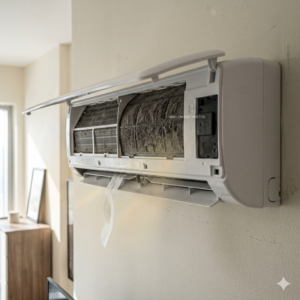
For homes without existing ductwork, especially older buildings, ductless mini-split systems are often ideal. These systems:
- Require minimal structural modification.
- Allow zoning (different temperatures in different rooms).
- Are typically more energy efficient than window or portable units.
They are excellent for room additions, renovated spaces, and homes where adding ducts would be expensive or impractical.
Eco-Conscious and Hybrid Alternatives
If your main goal is energy efficiency and lower long-term operating costs, you may consider:
- Inverter AC systems – adjust compressor speed instead of turning fully on/off.
- Heat pump systems – provide both cooling and heating with high efficiency.
- Hybrid systems – combine electric and alternative energy sources.
These systems often have higher upfront cost but lower long-term operating expenses and improved energy performance.
Comparison Metrics That Matter in Real Ownership
When evaluating ac unit types, focus on what truly affects daily experience and long-term cost—not just the purchase price.
Installation Difficulty
- Portable and window units: Low difficulty, minimal modification.
- Ductless mini-splits: Moderate installation, requires wall drilling and outdoor unit placement.
- Central AC: High installation complexity, especially if ductwork is required.
Noise Level
- Portable units: Typically louder due to compressor inside the room.
- Window units: Moderate noise, depends on model quality.
- Mini-split systems: Quiet indoor units.
- Central AC: Quiet indoors, noise mostly outside.
Cooling Coverage
- Portable and window: Single-room focus.
- Mini-split: One room or multiple zones depending on configuration.
- Central: Whole-home coverage.
Energy Efficiency
Energy efficiency depends on system type and technology. Inverter and heat pump systems generally provide better efficiency compared to older fixed-speed units.
Maintenance Needs
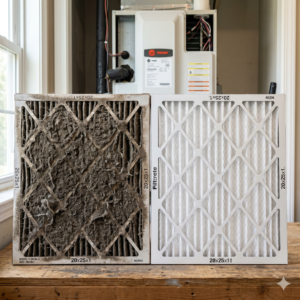
- Portable/window: Frequent filter cleaning.
- Mini-split: Regular filter and coil maintenance.
- Central AC: Duct cleaning and annual inspection important.
Long-Term Reliability
Reliability depends on installation quality, maintenance habits, and system suitability for the space. A correctly sized and professionally installed system usually lasts longer and performs more consistently.
Hidden Cost Considerations Beyond Purchase Price
One of the biggest mistakes when choosing among ac unit types is focusing only on upfront cost. Real ownership involves more factors.
Operating Costs
Electricity consumption varies significantly depending on efficiency rating and usage hours. A cheaper unit may cost more over time due to higher power draw.
Lifespan Expectations
- Portable and window units: Typically shorter lifespan.
- Mini-split systems: Moderate to long lifespan with proper care.
- Central AC systems: Long lifespan if ductwork and components are maintained.
Structural Requirements
Central AC requires ductwork. If ducts do not exist, installation becomes more complex and costly. Ductless systems reduce this requirement but still need wall space and outdoor unit placement.
Repair Exposure
More complex systems may have higher repair exposure if not maintained properly. However, simpler units may fail faster due to design limitations.
When discussing price, it is more useful to ask for the cost category (basic, moderate, or comprehensive installation and service range) rather than focusing on exact numbers. Installation and maintenance pricing depend on system type, room size, and structural conditions. For updated and detailed cost references, you can review our pricing page, where service scopes are clearly explained. Keep in mind that prices may change based on spare part costs and site conditions, but professional teams always confirm the final amount before proceeding.
Problem-Solving Scenarios to Help You Decide
Scenario 1: Cooling a Small Apartment Without Renovation
If you cannot drill walls or modify ductwork, portable or window units are usually the practical solution. Expect moderate noise and single-room coverage.
Scenario 2: Converting a Garage into a Living Space
Ductless mini-split systems are often ideal. They provide strong cooling without requiring full duct installation.
Scenario 3: Whole-Home Upgrade for Long-Term Comfort
Central AC systems offer balanced airflow and aesthetic simplicity, especially in larger homes.
Scenario 4: Reducing Electricity Bills
Inverter-based mini-splits or high-efficiency central systems may provide better energy performance over time.
Scenario 5: Cooling a Single Bedroom Efficiently
A small-capacity mini-split or window unit may be sufficient, depending on insulation and room size.
BTU Sizing Guidance and Myth Busting
BTU (British Thermal Unit) measures cooling capacity. Choosing the right BTU size is critical when comparing ac unit types.
Simple Rule of Thumb
A common estimate is around 20 BTU per square foot of space. However, this is only a starting point. Ceiling height, insulation, sunlight exposure, and number of occupants also matter.
Myth: Bigger Is Always Better
Oversizing an AC unit can cause short cycling—where the system turns on and off frequently. This leads to:
- Poor humidity control
- Uneven temperature
- Increased wear on components
- Higher energy consumption
Short Cycling Risks
When the AC cools too quickly and shuts off before removing humidity, the room may feel cold but damp. Over time, this can affect indoor air quality.
Right-Sizing Benefits
A properly sized unit runs steadily, removes humidity effectively, and maintains consistent comfort without unnecessary stress on components.
When Professional Guidance Makes the Difference
Choosing among ac unit types can feel overwhelming because every home and situation is different. A professional assessment considers room size, insulation, airflow design, energy goals, and renovation limits before recommending a system.
Ignoring these factors can result in buyer’s remorse—either from underperformance or overspending on a system that does not match your lifestyle.
Conclusion
Understanding different ac unit types is about matching the system to your real needs, not chasing trends or the lowest price. Whether you need a renter-friendly solution, a whole-home system, or an energy-efficient upgrade, consider installation complexity, operating cost, noise level, maintenance requirements, and correct BTU sizing. By focusing on practical ownership factors rather than just purchase price, you can choose an AC system that delivers reliable comfort, healthy indoor air, and long-term value without regret.