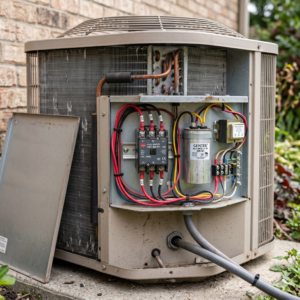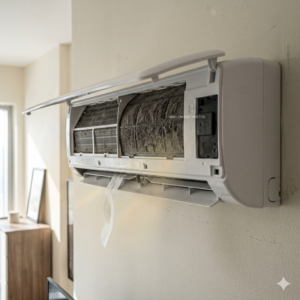





Bad ac smell is one of the most uncomfortable signs that something is wrong with your cooling system. You turn on the AC expecting fresh air, but instead you get a musty, sour, burning, or dusty odor spreading through the room. In the UAE’s climate, where AC runs for long hours, this is not only unpleasant—it can affect indoor air quality, health, and system performance. Many people try to ignore the smell or use air fresheners, but that only hides the symptom. To solve the problem properly, you need to understand the real causes, the potential repair costs, and when DIY is enough versus when expert help is the safer choice.
Table of Contents
ToggleWhat Does a Bad AC Smell Usually Mean?
A bad smell from your AC is rarely random. Odors usually point to a specific issue inside the system. The key is identifying what type of smell you notice, because each one suggests a different root cause.
Here are the most common odor types and what they typically indicate:
- Musty or moldy smell: Often linked to moisture buildup, mold growth, or dirty coils and ducts.
- Sour or “dirty sock” smell: Usually caused by bacteria growth on the evaporator coil.
- Burning smell: May indicate electrical issues, overheating components, or dust burning off after long inactivity.
- Rotten smell: Could be a dead pest trapped inside ducts or near the unit.
- Dusty smell: Often related to clogged filters or dirty ductwork.
The important point is this: a bad ac smell is almost always a sign that something inside the system needs attention. Ignoring it can allow contamination or mechanical stress to worsen over time.
Main Causes of Bad AC Smell
1. Mold and Mildew Growth
In humid environments, condensation naturally forms inside the AC system. If drainage is blocked or airflow is poor, moisture lingers. Over time, mold and mildew can grow inside the evaporator coil, drain pan, or ducts.
This is the most common cause of musty odor. Besides being unpleasant, mold spores can affect indoor air quality and trigger allergies or respiratory discomfort.
2. Dirty Evaporator Coil
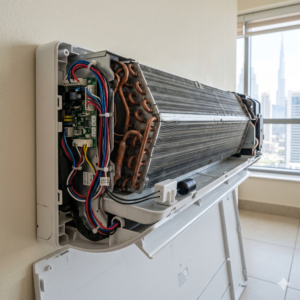
The evaporator coil absorbs heat from indoor air. When dust and organic particles collect on its surface, bacteria can grow. This often produces a sour smell that becomes noticeable when the AC starts.
In many cases, this issue requires more than basic cleaning. A proper AC deep cleaning may be necessary to remove contamination from internal components.
3. Clogged or Dirty Ducts
If the smell seems to come from multiple rooms, the issue may be in the duct network. Dust, debris, or microbial buildup inside ducts can circulate odor throughout the property.
Professional AC duct cleaning helps remove accumulated dust and sanitize the airflow path, improving both smell and air quality.
4. Drain Line Blockage
When the drain line is clogged, stagnant water collects inside the system. This creates a breeding ground for bacteria and mold, leading to persistent unpleasant odors.
5. Electrical or Mechanical Issues
If you detect a burning smell, turn off the AC immediately. This can indicate overheating wires, failing motors, or electrical faults. Continuing to run the system may cause further damage.
In such cases, prompt AC repair inspection is essential to prevent safety risks.
DIY Solutions for Bad AC Smell
Some bad ac smell problems can be addressed safely at home, especially when they are minor.
1. Replace or Clean the Air Filter
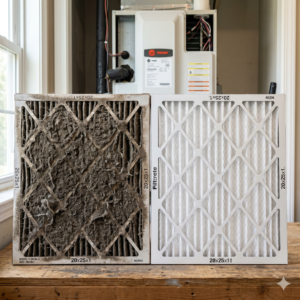
A clogged filter traps dust and organic matter, which can produce odor. Replacing or cleaning the filter is often the first and easiest step.
2. Clean Visible Vents
Dust buildup around vents can create a dusty smell. Cleaning vent covers helps improve airflow and reduce surface odor.
3. Flush the Drain Line (If Accessible)
If you are familiar with your AC setup and can safely access the drain line, flushing it may remove minor blockages. However, improper handling can cause leaks or damage.
4. Improve Ventilation
Opening windows briefly and allowing fresh air circulation can help reduce mild odors caused by stagnant air.
DIY is usually suitable when the smell is mild and clearly linked to dust or a dirty filter. However, if the odor persists after basic steps, deeper issues may be present.
When DIY Is Not Enough
Persistent bad ac smell often indicates internal contamination or mechanical problems. DIY attempts in such cases may temporarily mask the smell without solving the cause.
Examples where expert help is recommended:
- Strong mold or musty odor that returns quickly
- Burning smell during operation
- Odor accompanied by weak cooling or leakage
- Repeated smell even after filter replacement
Professional diagnosis helps identify whether the issue requires cleaning, component repair, refrigerant checks, or deeper sanitization.
Cost of Fixing Bad AC Smell
Repair cost depends on the root cause. Here is a practical overview based on common service categories:
- Minor service (AED 230–450): filter cleaning, thermostat adjustment, basic inspection.
- Moderate repair (AED 320–650): coil cleaning, refrigerant top-up, drain-line cleaning.
- Comprehensive repair (AED 450–1,350): fan motor repair, PCB fixes, leak detection and sealing.
- Major component replacement (AED 900–3,600): compressor or major upgrades.
If the odor is mainly hygiene-related, deep cleaning may range between AED 160–850 depending on service level. Duct cleaning for apartments may range from AED 520–760, depending on size and scope.
These figures are general ranges. Final pricing depends on inspection findings and spare part availability. For updated estimates, you can check our pricing page. Costs are always explained before any work begins, so you can decide comfortably.
DIY vs Expert: Which Is More Cost-Effective?
DIY may seem cheaper initially, especially when replacing a filter solves the issue. However, if the smell is caused by mold deep inside the system or a mechanical problem, repeated DIY attempts can increase total cost.
Common scenarios where DIY becomes more expensive:
- Repeated gas top-ups without fixing leaks
- Cleaning visible parts while contamination remains inside coils
- Ignoring early electrical warning signs
Professional service may cost more upfront, but it often prevents repeated visits, system damage, and health risks.
How to Prevent Bad AC Smell in the Future
- Clean or replace filters regularly.
- Schedule seasonal maintenance before peak summer.
- Ensure drain lines remain clear.
- Avoid turning off AC for long humid periods without ventilation.
- Address minor smells early before they intensify.
Preventive care significantly reduces odor recurrence and improves indoor air quality.
When Bad AC Smell Should Be Handled Properly
Persistent bad ac smell can indicate hidden contamination, airflow restriction, or electrical issues. If left untreated, it may reduce indoor air quality, increase allergy symptoms, lower cooling efficiency, and lead to higher repair costs later. Bio On Air helps address these concerns through proper inspection, safe repair procedures, and hygiene-focused solutions. Acting early is a preventive step. You can use the WhatsApp or Call button at the top right of this page to discuss your AC symptoms with our team.
Conclusion
A bad ac smell is not just an annoyance. It is often a warning sign that something inside your AC system requires attention. Understanding the cause, evaluating DIY limits, and considering long-term prevention helps you make informed decisions. Addressing the issue early protects your comfort, indoor air quality, and repair budget.