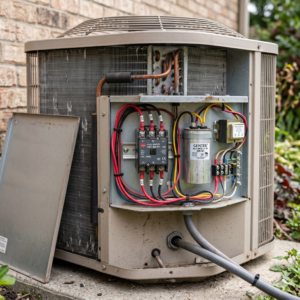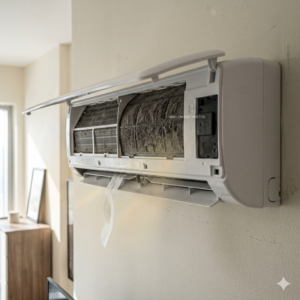





Searching for ac gas change cost usually happens when your AC is no longer cooling properly, and someone has told you that the “gas is low.” This is one of the most confusing and misunderstood topics in AC repair. Many people end up paying repeatedly for gas refills without understanding what the gas actually does, why it becomes low, and when refilling alone is a waste of money. This guide is a reality check that explains how AC refrigerant really works, why low gas almost always means a leak, what costs are usually involved beyond just refilling, and how to decide whether repair or replacement makes more sense—before you spend unnecessarily.
Table of Contents
ToggleThe Reality Check Most People Miss About AC Gas
The first and most important thing to understand about ac gas change cost is this: AC gas does not get “used up” during normal operation. Refrigerant is not fuel. It circulates in a closed system, absorbing heat indoors and releasing it outdoors, then repeating the cycle.
If your AC was cooling fine before and now suddenly needs gas, it is not because the gas expired or was consumed. In almost every real-world case, low refrigerant means there is a leak somewhere in the system. This leak may be small or large, visible or hidden, but it should never be ignored.
This is where many people lose money. Refilling gas without fixing the leak is like topping up water in a leaking tank. The AC may cool again for a short time, but the gas will escape, the performance will drop, and you will be asked to pay again.
Why Refilling Without Repair Often Wastes Money
One of the biggest pain points behind ac gas change cost is repeat spending. Many homeowners and tenants experience this pattern:
- The AC stops cooling properly.
- A technician refills gas.
- The AC works again for a few weeks or months.
- The cooling drops again.
- Another refill is suggested.
This cycle happens because the root cause—the leak—was never addressed. Over time, repeated refilling can actually make things worse. Low refrigerant forces the compressor to work harder, increasing wear and the risk of major component failure.
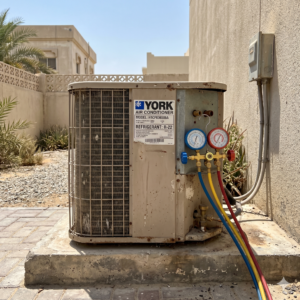
A proper approach to AC gas issues always starts with diagnosis. Professional AC gas refill and leak repair focuses on identifying whether a leak exists, where it is, and whether it can be safely repaired before refilling.
Common Reasons Refrigerant Leaks Occur
Understanding why leaks happen helps you judge whether a repair makes sense.
- Aging copper lines: Over time, vibration and corrosion can create micro-cracks.
- Poor installation: Improper brazing or connections during installation can leak later.
- Mechanical stress: Vibration from fans or compressors can weaken joints.
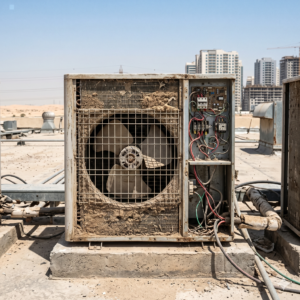
- Corrosion: Moisture and pollutants can slowly damage coils.
- Accidental damage: Renovation work or improper servicing can puncture lines.
Some leaks are simple to fix. Others may indicate deeper system aging. This distinction matters when evaluating total cost.
What “AC Gas Change Cost” Actually Includes
Many people think gas change cost is just the price of refrigerant. In reality, proper service includes several components. Understanding these helps you know what you are paying for.
1. Diagnostic Inspection
Before any refill, the system should be checked. This includes observing cooling performance, checking pressure readings, and visually inspecting accessible lines and components. Skipping this step often leads to misdiagnosis.
2. Leak Detection Methods
Leak detection is not guesswork. Depending on the system and symptoms, professionals may use:
- Electronic leak detectors
- Soap-bubble testing on joints
- Pressure decay testing
- Dye-based methods for hidden leaks
The method used depends on system type, age, and suspected leak location.
3. Pressure Testing
After repair, pressure testing ensures the system can hold refrigerant safely. This step reduces the risk of repeat leakage.
4. Related Part Repairs
Sometimes the leak source is tied to a worn valve, damaged coil, or compromised joint. Repairing these parts is part of doing the job correctly.
5. Refrigerant Refill
Only after the system is sealed and tested should refrigerant be refilled to proper levels.
This is why it is misleading to ask for a single flat price without inspection. The real ac gas change cost depends on which of these steps are required.
How Refrigerant Type Affects Cost Structure
Not all AC gas is the same. The type of refrigerant affects handling requirements, availability, and long-term considerations.
- Older systems: Often use legacy refrigerants that may be phased out or less available.
- Mid-generation systems: Use transitional refrigerants with specific pressure requirements.
- Newer systems: Use modern refrigerants designed for efficiency and lower environmental impact.
As systems age, refrigerant sourcing and compatibility become more important. This is another reason why inspection matters more than quoting numbers upfront.
System Age and Why It Matters More Than Price
When people focus only on ac gas change cost, they sometimes miss the bigger picture. System age plays a critical role in deciding what makes sense.
- Newer systems: Leak repair plus refill is usually cost-effective.
- Mid-life systems: Repair may still make sense if the rest of the system is healthy.
- Older systems: Frequent leaks may signal declining reliability.
In older units, repeated gas-related repairs can add up quickly. At some point, replacement or major upgrade becomes the more practical option. Understanding AC installation and replacement options helps frame this decision without pressure.
A Practical Decision Framework: Repair or Replace
Instead of hard numbers, use these questions to guide your decision:
- How old is the AC system?
- Has it needed gas refill more than once?
- Are there multiple other issues besides refrigerant?
- Has energy consumption increased noticeably?
If gas issues are isolated and repairable, fixing the leak is sensible. If gas issues are recurring and combined with other failures, replacement may save money over time.
Common Red Flags That Signal Overcharging or Poor Practice
Understanding red flags protects you from unnecessary spending.
- Repeated gas top-ups without leak testing: This is the biggest warning sign.
- No explanation of why gas is low: Refrigerant loss always has a cause.
- Unsafe refrigerant handling: Venting gas without recovery is improper.
- Pressure checks skipped: Indicates shortcut-based service.
- Pushy urgency without diagnosis: Fear-based selling often hides weak inspection.
A professional company explains what they are doing and why, before asking you to approve work.
Self-Check: Does Your AC Really Need a Gas Change?
Before calling a technician, you can observe a few signs that help clarify whether refrigerant might be involved.
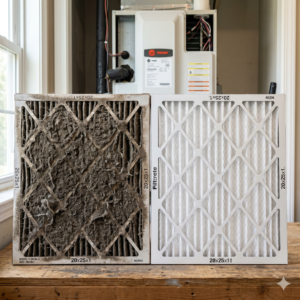
- Weak cooling even with clean filters: Possible refrigerant or airflow issue.
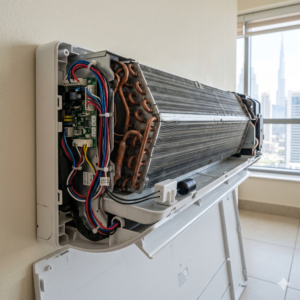
- Ice forming on indoor coil: Often linked to low refrigerant or airflow problems.
- Hissing or bubbling sound: May indicate a leak.
- AC runs continuously without cooling: Can point to low refrigerant.
These signs do not confirm a gas issue by themselves, but they help you ask better questions during inspection.
Why Inspection-Based Pricing Protects You
Instead of quoting a number over the phone, professional providers assess the system first and then explain the cost structure. This protects you from paying for work that does not solve the problem.
For transparency, you can always check updated service ranges and scope on our pricing page, while understanding that final costs depend on inspection findings and system condition.
When AC Gas Issues Should Be Handled Properly
Low refrigerant is not just a comfort issue. If ignored, it can reduce cooling efficiency, increase electricity consumption, and damage major components like the compressor. Bio On Air approaches gas-related AC issues with proper diagnostics, leak detection, safe handling, and clear explanation before any work begins. Acting early helps prevent repeated refills and long-term damage. If you are unsure whether your AC truly needs a gas change or repair, you can use the WhatsApp or Call button at the top right of this page to discuss your symptoms and understand the safest next step.
Conclusion
Understanding ac gas change cost starts with understanding one key truth: refrigerant does not disappear on its own. Low gas almost always means a leak, and refilling without repair usually wastes money. Real cost is not just about refrigerant, but about diagnosis, leak detection, pressure testing, and safe system handling.
Instead of focusing on numbers alone, focus on process. Ask why the gas is low, how the leak will be checked, and whether repair or replacement makes more sense based on system age and condition. A clear explanation, inspection-first approach, and honest guidance protect you from repeat expenses and help your AC run reliably in the long term—especially in a climate where cooling is essential.