




ac duct mold is one of the most misunderstood indoor air quality problems. Many people notice dark marks near vents, a persistent musty smell, or worsening allergy symptoms and immediately panic, while others ignore the signs and assume it is only dust. Both reactions can lead to poor decisions. The real challenge is knowing how to correctly diagnose and confirm mold in AC ducts, understand the health risks, identify why it happens, and choose the right corrective action without wasting money or creating new problems. This guide is written to help you move from uncertainty and anxiety toward clear understanding, informed action, and long-term prevention.
Table of Contents
ToggleUnderstanding What AC Duct Mold Really Is
AC duct mold refers to fungal growth that develops inside air-conditioning ductwork, vents, or related components where moisture, organic particles, and stagnant airflow combine. Mold is not the same as dirt or dust, even though the two are often confused.
Mold is a living organism. It grows when three basic conditions are present:
- Moisture or high humidity
- Organic material such as dust, skin particles, or insulation fibers
- Limited airflow or poorly ventilated areas
AC ducts are especially vulnerable because they often run through ceilings, walls, or service voids where condensation can form unnoticed. Once mold establishes itself, the AC system can distribute spores throughout the space, affecting air quality far beyond the duct itself.
Visual Differences Between Dust and True Mold Growth
One of the biggest pain points for homeowners and tenants is not knowing whether what they see is harmless dust or actual mold. Misidentifying the problem can lead to either unnecessary spending or dangerous delays.
How Dust Typically Appears
Dust buildup in AC ducts or vents usually has these characteristics:
- Light grey, beige, or brown color
- Dry and powdery texture
- Even distribution along vent edges
- Easily disturbed or wiped away
Dust tends to accumulate slowly and is usually linked to filter condition, cleaning frequency, and overall housekeeping.
How True AC Duct Mold Appears
Mold growth often looks different:
- Dark green, black, or dark brown patches
- Uneven, spotty, or blotchy patterns
- Slightly fuzzy, slimy, or sticky texture
- Regrowth after surface wiping
If discoloration returns quickly after cleaning or appears to spread over time, mold is a strong possibility. Visual inspection alone is not always conclusive, but it provides an important first signal.
Odor Identification and Musty Smell Cues
Smell is often the earliest and most reliable indicator of ac duct mold, especially when growth is hidden inside ducts.
Common mold-related odor descriptions include:
- Musty or damp basement smell
- Earthy or stale odor
- Sour smell that worsens when AC turns on
Unlike temporary odors from cooking or cleaning products, mold-related smells tend to persist and intensify when the AC system runs. This happens because airflow carries volatile compounds produced by mold colonies.
If you notice a smell that appears only when the AC is operating, especially after periods of inactivity, it strongly suggests internal contamination rather than surface dust.
Key Inspection Points Inside the AC System
Confirming ac duct mold requires looking in the right places. Many people only check visible vents and miss deeper problem areas.
Supply and Return Vents
Vent edges are the most accessible inspection points. Mold here often indicates deeper contamination upstream. If mold is visible on multiple vents, internal duct sections are likely affected.
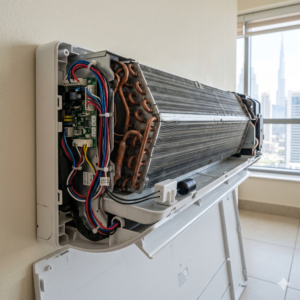
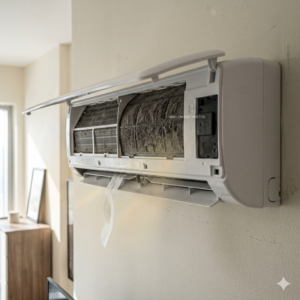
Evaporator Coil and Drain Pan
The evaporator coil is a high-risk area because it naturally produces condensation. If drainage is restricted or cleaning is neglected, moisture remains trapped, creating ideal mold conditions.
A dirty or moldy coil not only affects air quality but also reduces cooling efficiency and increases energy use.
Duct Joints and Insulation
Leaky duct connections or damaged insulation can allow warm, humid air to mix with cold air inside ducts. This temperature difference causes condensation, which feeds mold growth.
These areas are often hidden behind ceilings or walls, making professional inspection important when signs are unclear.
Health and Safety Impact of AC Duct Mold
Health concerns are often what push people to take ac duct mold seriously. While not all mold causes severe illness, exposure can still have real consequences.
Short-Term Health Symptoms
Short-term exposure may cause:
- Sneezing and nasal congestion
- Eye irritation or itching
- Headaches or fatigue
- Skin irritation
These symptoms often worsen indoors and improve when occupants leave the space, which is a key diagnostic clue.
Potential Long-Term Respiratory Risks
Prolonged exposure, especially in sensitive individuals, may contribute to:
- Chronic respiratory irritation
- Worsening asthma symptoms
- Increased susceptibility to respiratory infections
While severe outcomes are less common, the cumulative effect of breathing contaminated air daily should not be ignored.
Higher Risk for Pets, Children, and Sensitive Occupants
Pets, young children, elderly individuals, and those with allergies or compromised immune systems are more vulnerable. Pets, in particular, spend more time close to floors where heavier spores can settle.
Because AC systems distribute air throughout the entire space, even localized mold can affect everyone inside.
Root Causes of AC Duct Mold
Understanding why ac duct mold develops is essential for effective prevention. Cleaning alone without addressing root causes often leads to recurrence.
Excess Humidity and Poor Moisture Control
High indoor humidity creates ideal conditions for mold growth. In humid climates, AC systems must remove moisture efficiently. If humidity control is inadequate, ducts remain damp.
Incorrect AC Sizing and Runtime Behavior
An oversized AC cools rooms quickly but shuts off before removing sufficient moisture. This short cycling leaves humidity behind, increasing condensation risk inside ducts.
Proper sizing and runtime balance are critical for moisture control.
Condensation from Leaky or Poorly Insulated Ducts
Duct leaks allow warm air to enter cold duct sections, causing condensation. Poor insulation worsens the problem by allowing temperature fluctuations.
Even small leaks can create persistent moisture over time.
Blocked or Ineffective Drainage
Clogged drain lines or improperly sloped drain pans prevent water from exiting the system. Standing water becomes a direct mold source.
DIY Cleaning vs Professional Mold Remediation
This is where many people make costly mistakes. Understanding the limits of DIY efforts helps avoid worsening the problem.
What DIY Cleaning Can Safely Do
DIY steps may help when contamination is minimal and superficial:
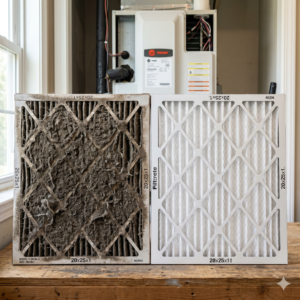
- Replacing or cleaning AC filters
- Wiping visible dust from vent covers
- Keeping surrounding areas dry and clean
These actions improve airflow and reduce surface contamination but do not address internal duct mold.
Clear Warnings About Unsafe Chemicals
Using bleach, harsh disinfectants, or fogging chemicals inside ducts is risky. These substances:
- May not reach internal mold colonies
- Can damage duct materials
- May release harmful fumes into living spaces
Surface disinfection does not remove mold embedded in insulation or internal duct walls.
Limitations of Surface Cleaning
Even if visible mold is removed, spores can remain inside the system. Without addressing moisture and internal contamination, mold often returns.
Professional AC duct cleaning uses specialized equipment to clean internal duct surfaces safely and thoroughly, followed by targeted sanitization where appropriate.
Professional Inspection and Remediation Approach
Professional remediation begins with confirmation, not assumptions. A structured approach typically includes:
- Visual inspection of accessible components
- Assessment of moisture sources
- Evaluation of airflow and insulation
- Determination of cleaning or repair scope
In cases where internal components such as coils or drain pans are affected, deeper solutions like AC deep cleaning may be required to fully remove contamination and restore efficiency.
Cost Transparency and Common Service Options
Cost anxiety is a major barrier when people suspect ac duct mold. Clear understanding helps reduce fear and confusion.
Common Service Options
Depending on severity, services may include:
- Targeted duct cleaning and sanitization
- Drain line cleaning and moisture correction
- Coil and blower cleaning
- Duct sealing or insulation repair
What Influences Pricing
Pricing varies based on:
- Property size and duct complexity
- Extent of contamination
- Accessibility of affected areas
- Need for repairs beyond cleaning
Professional pricing is typically confirmed after inspection, not before. This ensures solutions match actual conditions.
When and How the Price Should Be Communicated
Transparent providers explain findings first, then outline options and costs before starting work. This allows informed decisions rather than pressure-driven choices.
For general reference and updated service ranges, you can review our pricing page, which provides context without locking you into assumptions.
From Anxiety-Driven Discovery to Informed Action
Discovering possible ac duct mold often triggers fear, especially when health is involved. The goal should not be panic-driven action, but structured response.
Start by observing signs, confirm through proper inspection, understand root causes, and choose remediation that addresses both contamination and moisture control.
When handled properly, mold issues can be resolved safely, and recurrence can be prevented through system adjustments and maintenance.
Conclusion
AC duct mold is a problem that sits at the intersection of air quality, moisture control, and system design. Misidentifying dust as mold leads to unnecessary worry, while ignoring true mold risks long-term health and comfort. By understanding visual differences, odor cues, inspection points, and health implications, you can make informed decisions instead of reactive ones.
The most effective solutions go beyond surface cleaning. They address internal contamination, correct moisture sources, and improve system behavior. Knowing when DIY steps are appropriate and when professional remediation is necessary protects both your health and your AC system. With proper diagnosis, transparent guidance, and preventive measures, ac duct mold can be resolved and kept from returning.