




Searching for cleaning ac service usually means your AC no longer feels fresh or efficient. Airflow may feel weak, dust appears quickly in the room, unpleasant odors come out when the unit runs, or electricity bills slowly increase without a clear reason. Many people face the same question at this point: should you clean the AC yourself or call an expert? This article explains the real differences between DIY AC cleaning and professional cleaning AC service, including practical tips, risks, and cost considerations, so you can choose the safest and most cost-effective option for your situation.
Table of Contents
ToggleWhy Cleaning AC Service Matters More Than Most People Think
An AC system does more than cool the room. It continuously pulls air in, filters it, cools it, and circulates it back into your living or working space. Over time, dust, moisture, and debris naturally build up inside filters, coils, drain lines, and ducts. If this buildup is ignored, it affects both cooling performance and indoor air quality.
Common problems caused by poor AC cleanliness include reduced airflow, uneven cooling, unpleasant smells, higher energy consumption, and increased wear on internal components. In some cases, moisture combined with dust can create an environment where bacteria or mold develop, which may affect breathing comfort and health.
This is why cleaning AC service is not just about appearance or comfort. It plays a direct role in system efficiency, energy cost, and the quality of the air you breathe every day.
Understanding What DIY AC Cleaning Usually Involves
DIY AC cleaning is often promoted as a quick and cheap solution. Many online guides focus on simple tasks that homeowners or tenants can do without tools or technical training.
Typical DIY AC cleaning tasks include:
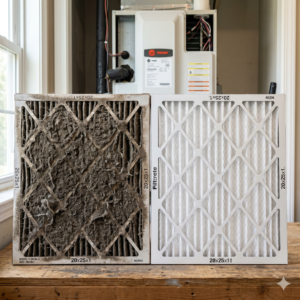
- Removing and washing air filters
- Wiping visible dust from the indoor unit cover
- Vacuuming around vents
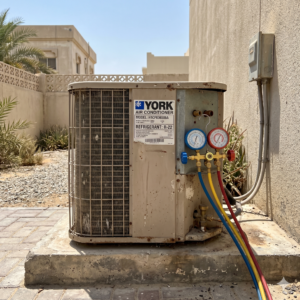
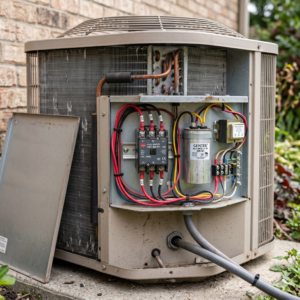
- Checking for obvious blockages around the outdoor unit
These steps can be useful and are generally safe when done correctly. Cleaning filters alone can improve airflow and slightly reduce energy consumption. However, DIY cleaning usually addresses only the most visible parts of the system.
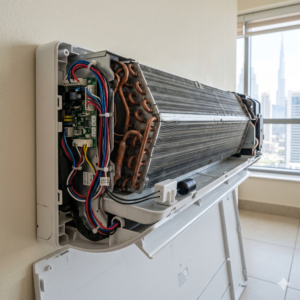
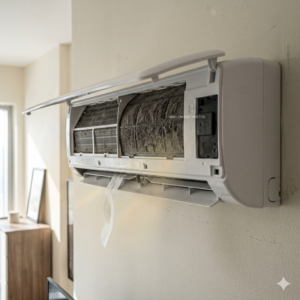
The main limitation of DIY cleaning is access. Most critical components that affect performance and air quality are inside the unit or within ducting, where surface cleaning cannot reach.
What DIY AC Cleaning Cannot Effectively Handle
Many AC issues remain hidden even after basic DIY cleaning. These internal areas often require tools, experience, and safety procedures.
DIY cleaning usually cannot properly address:
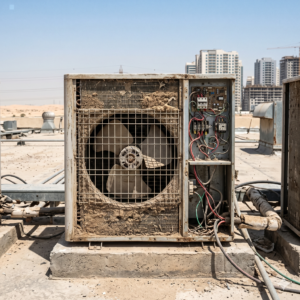
- Evaporator and condenser coils with deep dust or grease buildup
- Blocked or partially clogged drain lines
- Dust and microbial buildup inside blower assemblies
- Contaminated ductwork distributing dirty air
- Moisture trapped inside internal components
Without proper access and technique, attempting to clean these areas can cause damage. Bent coils, loosened electrical connections, or water leakage are common DIY mistakes that lead to higher repair costs later.
Hidden Risks of DIY AC Cleaning
One major pain point for many people is that DIY cleaning feels safe until something goes wrong. The risks are often not immediate but show up later.
Common risks include:
- Incomplete cleaning: dust and moisture remain inside, allowing odors and bacteria to return.
- Water damage: improper cleaning can push water into electrical components.
- Reduced efficiency: coils that are not cleaned correctly still struggle to transfer heat.
- False confidence: the AC looks clean, but airflow and air quality issues persist.
In many cases, people end up calling an expert anyway, but now the system is in worse condition or requires additional work to fix DIY-related issues.
What a Professional Cleaning AC Service Actually Covers
Professional cleaning AC service goes far beyond surface-level cleaning. It focuses on restoring the system to a hygienic and efficient operating condition.
A comprehensive professional cleaning typically includes:
- Thorough cleaning of air filters or filter replacement
- Deep cleaning of evaporator and condenser coils
- Drain pan and drain line cleaning to prevent leaks
- Blower and fan housing cleaning
- Inspection for moisture, mold, or unusual buildup
This level of cleaning targets the areas that directly affect airflow, cooling efficiency, and indoor air quality.
When ductwork is involved, professional AC duct cleaning may also be recommended, especially if dust spreads quickly or airflow is uneven across rooms.
DIY Cleaning AC vs Expert Cleaning AC Service
| Aspect | DIY Cleaning | Professional Cleaning AC Service |
|---|---|---|
| Depth of cleaning | Surface-level only | Internal and system-level |
| Air quality improvement | Limited | Significant |
| Risk of damage | Moderate if inexperienced | Low with proper procedures |
| Time required | Repeated effort | One structured visit |
| Long-term benefit | Short-term relief | Improved efficiency and stability |
Cost Perspective DIY Cleaning vs Cleaning AC Service
At first glance, DIY cleaning appears cheaper. There is no service fee, and basic tools are inexpensive. However, the real cost should be measured over time.
DIY cleaning costs often include:
- Cleaning sprays and tools
- Time spent repeating the process
- Higher electricity bills due to reduced efficiency
- Potential repair costs caused by mistakes
Professional cleaning AC service pricing depends on depth and system condition. Based on typical scenarios:
- Basic deep cleaning: AED 160–550, suitable for recently serviced units
- Full internal cleaning: AED 270–650, recommended every 1–2 years
- Comprehensive deep cleaning with sanitisation: AED 450–850, ideal for persistent odors or post-renovation
While professional service has an upfront cost, it often reduces repeat cleaning, lowers energy use, and prevents expensive repairs.
For updated service pricing, you can refer to our pricing page, which reflects current cleaning AC service ranges.
When DIY Cleaning Is Still Useful
DIY cleaning is not useless. It works best as routine upkeep between professional visits.
DIY cleaning is suitable when:
- You clean or replace filters regularly
- The AC has been professionally cleaned within the past year
- There are no odors, leaks, or airflow problems
In these cases, DIY steps help maintain performance and delay deeper buildup.
When Expert Cleaning AC Service Is the Better Choice
Professional cleaning is the safer option when:
- The AC smells unpleasant or musty
- Cooling feels weak despite filter cleaning
- Water leakage or moisture appears
- Dust spreads quickly across rooms
- The unit has not been cleaned for a long time
Expert cleaning addresses the real causes rather than masking symptoms.
How Cleaning AC Service Improves Energy Efficiency
A dirty AC works harder to cool the same space. Coils covered in dust cannot transfer heat efficiently, forcing the compressor and fan to run longer.
Professional cleaning restores proper heat exchange, allowing the system to cool faster and cycle normally. Over time, this reduces electricity consumption and stress on components.
Many people notice smoother operation and more stable temperatures after a proper cleaning AC service.
Cleaning AC Service and Indoor Air Quality
Indoor air quality is one of the most overlooked benefits of professional cleaning.
Clean internal components reduce:
- Dust circulation
- Odors caused by trapped moisture
- Potential allergens
For households with children, elderly residents, or people sensitive to dust, this improvement can be noticeable in daily comfort.
How Often Should You Schedule Cleaning AC Service?
The ideal frequency depends on usage, environment, and system type.
General guidance:
- Filter cleaning: every 2–4 weeks
- Basic inspection: once or twice per year
- Professional deep cleaning: every 12–24 months
Homes with pets, heavy AC usage, or high dust exposure may need more frequent service.
Common Myths About Cleaning AC Service
Myth: Cleaning the filter is enough.
Reality: Filters help, but internal buildup still affects performance.
Myth: If the AC cools, it is clean.
Reality: Cooling can work even when air quality and efficiency are poor.
Myth: Professional cleaning damages the AC.
Reality: Proper cleaning extends system life when done correctly.
When Cleaning Should Be Combined With Repair or Maintenance
Sometimes cleaning alone is not enough. If the system has mechanical or refrigerant issues, cleaning should be combined with repair or maintenance.
Professional cleaning often includes inspection, which helps identify early signs of problems. In such cases, further steps like AC maintenance or targeted repair may be recommended.
When Cleaning AC Service Should Be Handled Properly
Ignoring AC cleanliness can lead to poor air quality, higher energy bills, repeated breakdowns, and long-term damage. Bio On Air helps manage these risks through structured cleaning AC service that focuses on hygiene, efficiency, and clear communication. Acting early is a preventive step that often costs less than waiting for bigger problems. You can use the WhatsApp or Call button at the top right of this page to discuss whether DIY cleaning is enough or if professional service is the safer option.
Conclusion
Choosing between DIY cleaning and professional cleaning AC service is not about choosing the cheapest option. It is about choosing the right level of care for your system. DIY cleaning plays a useful role in routine upkeep, but it cannot replace deep, structured cleaning that targets internal components and air quality.
Professional cleaning AC service restores efficiency, improves indoor air comfort, and reduces the risk of costly repairs. By understanding the limits of DIY cleaning and knowing when to involve an expert, you protect your AC system, your electricity costs, and the quality of the air you breathe every day.