




The topic of worst air quality in the world has become increasingly important as more cities experience rising pollution levels. From South Asia to parts of the Middle East and Africa, air quality is now a daily concern affecting health, productivity, and quality of life. This guide explains global rankings, pollution levels, and what they mean in real conditions.
Table of Contents
ToggleWhat Defines the Worst Air Quality in the World
Air quality is measured using the Air Quality Index (AQI), which reflects the concentration of pollutants in the air. The most critical pollutant globally is PM2.5—fine particles small enough to enter the lungs and bloodstream.
| AQI Level | Category | Health Impact |
|---|---|---|
| 0–50 | Good | Minimal impact |
| 51–100 | Moderate | Acceptable for most people |
| 101–150 | Unhealthy for sensitive groups | Possible breathing discomfort |
| 151–200 | Unhealthy | Everyone may begin to feel effects |
| 201–300 | Very Unhealthy | Serious health risk |
| 300+ | Hazardous | Emergency conditions |
When discussing the worst air quality globally, most affected cities regularly exceed AQI levels of 150–300+.
Most Polluted Cities Based on Recent Global Data
According to recent global air quality monitoring reports (such as IQAir), several cities consistently rank among the most polluted in the world.
Top Global Pollution Hotspots
- Delhi, India
- Lahore, Pakistan
- Dhaka, Bangladesh
- Kabul, Afghanistan
- Karachi, Pakistan
These cities often experience PM2.5 levels far above safe limits, especially during winter and industrial peak periods.
Countries with the Worst Air Quality
Air pollution is not limited to cities—it reflects national patterns influenced by energy use, traffic, and environmental regulation.
| Country | Average PM2.5 (µg/m³) | WHO Safe Limit |
|---|---|---|
| Bangladesh | 70+ | 5 |
| Pakistan | 60+ | 5 |
| India | 50+ | 5 |
| Afghanistan | 40+ | 5 |
These values are multiple times higher than the WHO guideline, showing how severe the issue is.
PM2.5 vs WHO Safety Standards
The World Health Organization (WHO) recommends an annual PM2.5 level of no more than 5 µg/m³.
However, in many polluted cities:
- Levels exceed 50–100 µg/m³ regularly
- Short-term spikes can reach 200+ µg/m³
This means people in these regions are exposed to pollution levels 10–20 times higher than recommended limits.
Regional Pollution Hotspots Around the World
South Asia
This region consistently records the highest pollution levels due to population density, industrial emissions, and seasonal crop burning.
Middle East
Air quality in the Middle East is affected by dust storms, construction activity, and traffic emissions. Cities like Dubai experience fluctuating AQI levels depending on weather conditions.
Africa
Urban areas in Africa face pollution from biomass burning, traffic congestion, and limited environmental regulation.
Pollution by Type
Particulate Matter (PM2.5 and PM10)
This is the most dangerous form of pollution because it penetrates deep into the lungs.
Wildfire Smoke
Regions like North America and Australia experience temporary spikes in pollution due to wildfires.
Industrial Emissions
Factories and power plants contribute heavily to long-term pollution levels in developing regions.
Cleanest Air Quality Countries and Cities
Not all regions face severe pollution. Some countries maintain excellent air quality through strict regulations and lower industrial density.
- Iceland
- Finland
- New Zealand
- Sweden
These countries consistently maintain PM2.5 levels close to WHO recommendations.
Health Risks of Poor Air Quality
Exposure to polluted air affects the body in multiple ways:
- Respiratory diseases such as asthma
- Cardiovascular problems
- Reduced lung function
- Long-term chronic illness risk
Children, elderly individuals, and people with pre-existing conditions are most vulnerable.
Air Quality in Dubai Compared to Global Levels
Dubai does not rank among the worst globally, but it still faces air quality challenges.
Key factors affecting Dubai air quality:
- Dust storms from desert regions
- High traffic emissions
- Construction activity
Unlike South Asia, pollution in Dubai is often temporary but can still affect indoor environments significantly.
Indoor Air Quality vs Outdoor Pollution
Even if outdoor air quality fluctuates, indoor air can become worse if not properly managed.
Common indoor pollution sources:
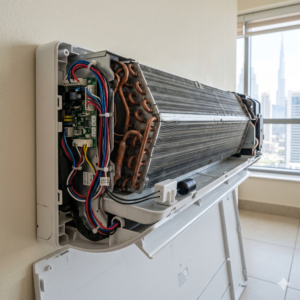
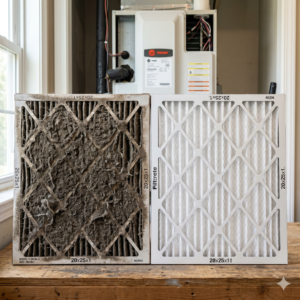
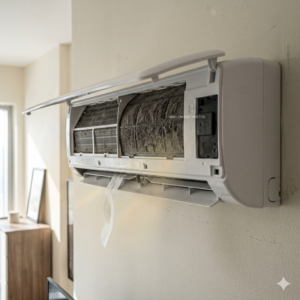
- Dust accumulation in AC ducts
- Mold and bacteria growth
- Poor ventilation
This is why indoor air management plays a crucial role, especially in sealed environments like UAE homes.
Why Air Quality Awareness Matters
Understanding air quality levels helps you make better decisions about your environment, health, and living conditions.
If you live in areas with fluctuating air quality like the UAE, managing indoor air becomes just as important as monitoring outdoor conditions.
If you are noticing dust buildup, unusual smells, or discomfort indoors, it may be a sign that your indoor air system needs attention. Poor air quality inside your home can lead to respiratory irritation, reduced comfort, and increased strain on your AC system. Addressing these issues early helps maintain a healthier and more efficient living environment. If you need clarity about your indoor air condition, you can use the WhatsApp or Call button on the top right to connect with the Bio On Air team and understand the most suitable next step.
Conclusion
The worst air quality in the world highlights how serious global pollution has become. By understanding AQI levels, pollution sources, and regional differences, you can better protect your health and improve your indoor environment.