




Understanding what is hvac installation is essential if you plan to install or replace an air conditioning system in the UAE. HVAC installation is not just about placing a unit—it involves system design, sizing, airflow planning, and proper setup to handle extreme Dubai temperatures efficiently.
Table of Contents
ToggleWhat Is HVAC Installation and Why It Matters
HVAC installation refers to the complete process of setting up a heating, ventilation, and air conditioning system in a property. In the UAE, the focus is primarily on cooling, airflow management, and indoor air quality rather than heating.
A proper installation ensures:
- Efficient cooling even during extreme heat
- Balanced airflow across all rooms
- Lower electricity consumption
- Longer system lifespan
A poorly installed system, on the other hand, may cool unevenly, consume more energy, and break down frequently.
Main Types of HVAC Systems Used in Dubai
1. Split AC Systems
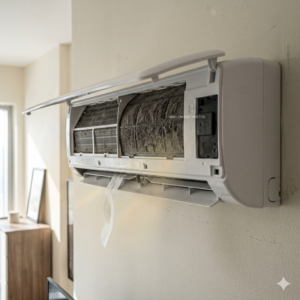
Split AC systems are commonly used in apartments and smaller spaces.
- Consist of one indoor unit and one outdoor unit
- Do not require ductwork
- Suitable for single rooms or small areas
2. Ducted AC Systems
Ducted systems are widely used in villas and larger apartments.
- Centralized cooling through ducts
- Hidden indoor unit (usually in ceiling)
- Provides uniform airflow across multiple rooms
Understanding proper AC installation and replacement is especially important for ducted systems because design and airflow planning directly affect performance.
3. VRF / VRV Systems
Variable Refrigerant Flow (VRF) systems are used in commercial buildings and high-end residential properties.
- Multiple indoor units connected to one outdoor system
- Highly energy efficient
- Advanced zoning and control
Core Components of an HVAC System
Indoor Unit
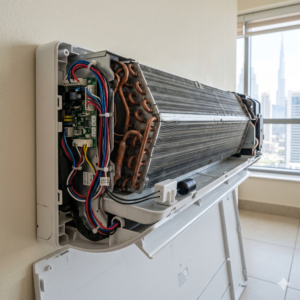
The indoor unit distributes cooled air into the space. In ducted systems, this is connected to ducts that carry air to different rooms.
Outdoor Unit
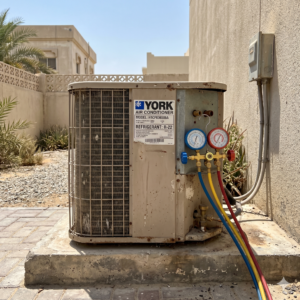
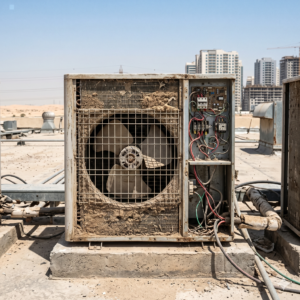
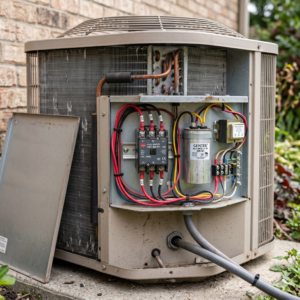
The outdoor unit releases heat from inside the building. It contains the compressor, which is the core of the cooling process.
Ductwork
Ducts are responsible for delivering air throughout the property. Poor duct design can result in weak airflow and uneven cooling.
Thermostat and Controls
This regulates temperature and system operation. Modern systems include smart controls for better efficiency.
Drainage System
Condensate drainage removes moisture produced during cooling. Improper drainage can lead to leaks and mold issues.
Importance of Heat Load Calculation in UAE
Before installing any HVAC system, a heat load calculation must be performed. This determines how much cooling capacity is required.
Factors considered include:
- Room size and layout
- Window exposure to sunlight
- Insulation quality
- Number of occupants
- Appliances generating heat
In Dubai’s extreme climate, undersized systems will struggle, while oversized systems waste energy and reduce efficiency.
Step-by-Step HVAC Installation Process
1. Site Inspection
The process begins with evaluating the property layout, structure, and cooling requirements.
2. System Design and Planning
This includes selecting the right system type, unit capacity, and duct layout.
3. Removal of Old System (If Applicable)
Existing units, ducts, and components are safely removed.
4. Installation of Indoor and Outdoor Units
Units are positioned based on airflow efficiency and accessibility.
5. Ductwork Installation
Ducts are installed or adjusted to ensure balanced airflow.
6. Electrical and Refrigerant Connections
All wiring and refrigerant lines are connected according to safety standards.
7. Drainage Setup
Condensate pipes are installed to ensure proper water removal.
8. System Testing and Commissioning
The system is tested to ensure it operates correctly under load.
Dubai-Specific HVAC Installation Requirements
DEWA Electrical Compliance
All HVAC systems must comply with Dubai Electricity and Water Authority (DEWA) standards. This ensures electrical safety and proper load distribution.
Condensate Drainage
Proper drainage is critical in the UAE due to high humidity. Poor drainage can lead to water leaks and mold growth.
Insulation and Sealing
Proper insulation prevents energy loss and maintains cooling efficiency.
Estimated HVAC Installation Cost in UAE
The cost of HVAC installation varies depending on system type, property size, and complexity.
| System Type | Estimated Cost (AED) | Scope |
|---|---|---|
| Split AC Installation | 1,500 – 4,000 per unit | Basic setup |
| Ducted AC System | 8,000 – 25,000+ | Full system installation |
| VRF System | 25,000 – 100,000+ | Advanced multi-zone system |
Note: These prices are slightly below average market estimates and may vary depending on property conditions, system requirements, and installation complexity.
Factors That Affect HVAC Installation Cost
- Property size and layout
- System type and brand
- Duct design complexity
- Accessibility of installation areas
- Additional work such as electrical upgrades
Post-Installation Testing and Performance Checks
After installation, proper testing is critical to ensure performance.
- Airflow balance testing
- Temperature consistency check
- Refrigerant pressure verification
- Leak testing
- Electrical safety check
This ensures the system operates efficiently from day one.
Common Installation Mistakes to Avoid
- Incorrect system sizing
- Poor duct design
- Improper drainage setup
- Loose electrical connections
- Skipping final testing
These mistakes can lead to long-term performance issues and higher costs.
How to Choose the Right HVAC Contractor
- Check for licensing and certifications
- Look for experience in UAE conditions
- Ensure they provide clear system explanation
- Confirm post-installation support and maintenance
Choosing the right contractor is as important as choosing the right system.
Why Installation Quality Matters More Than Equipment
Even high-end HVAC systems can perform poorly if installed incorrectly. Installation quality determines airflow efficiency, energy usage, and system lifespan.
If you are planning an HVAC installation or replacement, it is important to approach it correctly from the beginning. Improper installation can lead to uneven cooling, higher electricity bills, and long-term system damage. With the right planning and execution, these issues can be avoided. If you need guidance on system selection, installation scope, or technical considerations, you can use the WhatsApp or Call button on the top right to connect with the Bio On Air team and understand the most suitable next step.
Conclusion
Understanding what is hvac installation helps you make better decisions when setting up or upgrading your cooling system in the UAE. A properly installed system ensures efficient performance, lower costs, and a comfortable indoor environment.