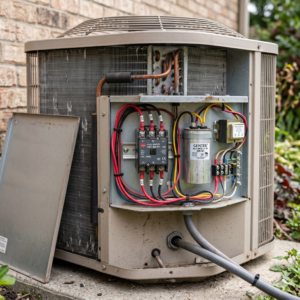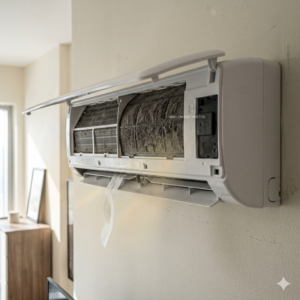





An outdated ac in the UAE is more than just an old machine—it can silently increase your electricity bills, reduce air quality, and lead to sudden breakdowns. In this guide, we explain real AC lifespan, repair vs replacement decisions, cost impact, and warning signs you should not ignore.
Table of Contents
ToggleRealistic AC Lifespan in UAE Conditions
Air conditioners in the UAE do not last as long as in milder climates. Extreme heat, constant operation, and dust exposure reduce the expected lifespan significantly.
| AC Type | Typical Lifespan (Global) | Realistic Lifespan in UAE |
|---|---|---|
| Split AC | 10 – 15 years | 6 – 10 years |
| Ducted / Central AC | 12 – 20 years | 8 – 12 years |
| Window AC | 8 – 12 years | 5 – 8 years |
The difference is mainly caused by environmental stress and usage patterns unique to the region.
Why AC Systems Age Faster in the UAE
1. Extreme Outdoor Temperature
AC units in Dubai often operate under temperatures above 40°C. This constant heat forces compressors to work harder than in most countries.
2. Long Operating Hours
Unlike seasonal usage in other regions, AC systems in the UAE run almost year-round, often for 10–20 hours per day.
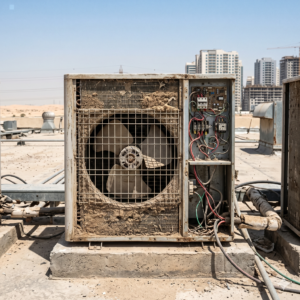
3. Dust and Sand Exposure
Fine dust particles enter filters, coils, and ducts, reducing airflow and increasing internal strain.
4. Coastal Corrosion
In areas near the sea, salt in the air accelerates corrosion of metal components, especially outdoor units.
These factors combined significantly shorten the lifespan of any AC system.
Repair vs Replacement Decision Framework
One of the most important decisions when dealing with an outdated AC is whether to repair or replace it.
A commonly used guideline:
| Repair Cost | Recommendation |
|---|---|
| Below 30% of replacement cost | Repair is usually reasonable |
| 30% – 50% | Depends on AC age and condition |
| Above 50% | Replacement is usually more cost-effective |
This rule helps you avoid spending heavily on a system that may fail again soon.
Risks of Repairing an Outdated AC
Repairing old AC systems can sometimes lead to a chain reaction of failures.
Compressor Failure
The compressor is the most expensive component. In older systems, once it fails, replacement cost can be very high.
Cascading Component Breakdown
When one part fails, it puts stress on other components, leading to multiple issues over time.
Temporary Fixes
Some repairs only solve symptoms, not root causes, especially in aging systems.
That is why proper AC repair assessment is important before deciding.
Impact of R22 Phase-Out on Old AC Units
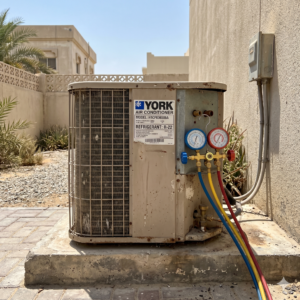
Many outdated AC systems in the UAE still use R22 refrigerant, which has been phased out globally.
This creates several problems:
- Limited availability of R22 gas
- Increasing refill cost over time
- Difficulty in servicing older systems
Modern systems use more efficient and environmentally friendly refrigerants, making them easier and cheaper to maintain.
Electricity Cost Difference Old vs New AC
One of the biggest hidden costs of an outdated AC is electricity consumption.
| AC Type | Energy Efficiency | Estimated Cost Impact |
|---|---|---|
| Non-Inverter AC | Lower efficiency | Higher DEWA/SEWA bills |
| Inverter AC | High efficiency | 20% – 40% lower energy usage |
Inverter technology adjusts power usage based on cooling demand, reducing energy waste.
Long-Term ROI of Upgrading Your AC
Replacing an outdated AC may seem expensive initially, but it often provides long-term savings.
- Lower electricity bills
- Fewer repair costs
- Improved cooling performance
- Better indoor air quality
Over time, these savings can offset the initial investment.
Warning Signs Your AC Is Mechanically Failing
Not all AC problems are equal. Some indicate deeper mechanical failure rather than simple maintenance issues.
- Frequent breakdowns within short periods
- Weak cooling even after servicing
- Unusual noise from compressor
- Water leakage or internal condensation issues
- Rising electricity bills without increased usage
These signs usually mean the system is reaching the end of its lifecycle.
Outdated AC vs Maintenance Issues
Sometimes, what looks like an outdated AC is actually a maintenance problem.
| Condition | Likely Cause |
|---|---|
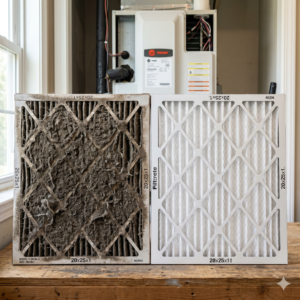
| Weak airflow | Dirty filters or ducts |
| Bad smell | Bacteria or mold buildup |
| Uneven cooling | Airflow imbalance |
In such cases, proper cleaning or maintenance can restore performance.
When Replacement Becomes the Smarter Choice
You should consider replacing your AC if:
- System is older than 8–10 years in UAE conditions
- Repair cost is high relative to replacement
- Energy bills keep increasing
- System uses outdated refrigerant
Replacing early can prevent emergency breakdowns.
Hidden Costs of Keeping an Old AC
Many people focus only on repair cost, but outdated systems have hidden expenses:
- Higher electricity consumption
- Frequent maintenance costs
- Reduced comfort and airflow
- Increased risk of sudden failure
These costs add up over time.
Preventing Early AC Aging
Even modern AC systems can fail early without proper care.
- Regular maintenance
- Filter cleaning
- Duct cleaning
- Monitoring performance
These steps help extend system lifespan.
Outdated AC in UAE Properties
Older buildings in Dubai and other Emirates often still use outdated AC systems.
Common issues include:
- Old duct design
- Inefficient airflow
- Worn-out components
Upgrading these systems can significantly improve living conditions.
Environmental Impact of Old AC Systems
Outdated AC units are not only inefficient but also less environmentally friendly.
- Higher energy consumption
- Older refrigerants with environmental impact
- Lower overall efficiency
Modern systems are designed to reduce environmental impact while improving performance.
Think Long-Term, Not Short-Term
When dealing with an outdated AC, the decision should not be based on immediate cost alone. It should consider long-term comfort, energy efficiency, and system reliability.
If your AC system is showing signs of aging or frequent issues, it is important not to ignore them. Problems such as reduced airflow, internal wear, and refrigerant limitations can lead to higher energy consumption, poor indoor air quality, and unexpected breakdowns. Addressing these issues early can help you avoid larger costs and disruptions. If you are unsure whether your system needs repair or replacement, you can use the WhatsApp or Call button on the top right to connect with the Bio On Air team and understand the most suitable next step based on your AC condition.
Conclusion
An outdated ac in the UAE is more than just an aging system—it is a potential source of higher costs, reduced comfort, and unexpected failures. Understanding lifespan, repair risks, and replacement benefits helps you make better long-term decisions for your home or property.