




If you are searching for a musty smell remover, it usually means there is a persistent damp odor inside your home that keeps coming back. In the UAE, this is very common due to humidity, sealed indoor spaces, and constant AC usage. This guide explains quick solutions, hidden causes, and when deeper action is needed.
Table of Contents
ToggleWhat a Musty Smell Actually Means
A musty smell is not just an unpleasant odor. It is usually a sign of moisture trapped somewhere inside your home. This moisture allows mold, bacteria, or organic buildup to develop, even if you cannot see it directly.
Many people assume it is a surface issue. In reality, it is often connected to airflow systems, hidden damp areas, or AC-related problems.
In UAE environments, where homes are sealed for cooling efficiency, moisture has fewer ways to escape. Over time, this creates the perfect condition for musty odors to develop and return.
Quick Musty Smell Remover Solutions That Work Immediately
If you need fast relief, there are several consumer-level solutions that can reduce odor temporarily. These are useful as a first step, but they do not address the root cause.
1. Moisture Absorbers
Products like silica gel or calcium chloride absorbers help reduce humidity in small areas such as wardrobes, cabinets, and storage spaces.
- Effective for small enclosed spaces
- Easy to use and affordable
- Needs regular replacement
2. Charcoal Bags
Activated charcoal is a natural odor absorber. It does not mask the smell—it absorbs it.
- Works well in rooms and closets
- Reusable after sun exposure
- No chemicals involved
3. Mold Removal Gels
These gels are designed for visible mold areas such as bathroom corners, silicone seals, and tile joints.
- Effective on localized mold spots
- Provides visible cleaning results
- Does not address hidden sources
4. Odor Neutralizing Sprays
Air sprays can provide quick freshness, but they only mask the smell temporarily.
- Immediate effect
- Short-term solution
- Not effective for underlying moisture issues
Why Musty Smells Keep Coming Back in UAE Homes
One of the biggest frustrations is that the smell disappears temporarily but returns after a few days.
This happens because:
- Humidity remains trapped indoors
- AC systems continuously circulate the same air
- Hidden moisture sources are not removed
In cities like Dubai, the outdoor air is often humid. When this air meets cold indoor surfaces, condensation forms. This moisture becomes trapped inside walls, ceilings, ducts, or AC components.
Unless this moisture source is eliminated, the smell will return regardless of how many products you use.
HVAC-Related Causes of Musty Smell
In many UAE homes, the AC system is the main source of musty odor—even if it is not obvious.
1. Condensate Drain Blockage
Your AC removes humidity from the air and drains it through a pipe. If this drain becomes blocked, water accumulates inside the system.
This stagnant water creates a perfect environment for bacteria and mold, leading to a persistent smell.
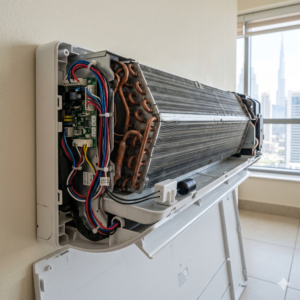
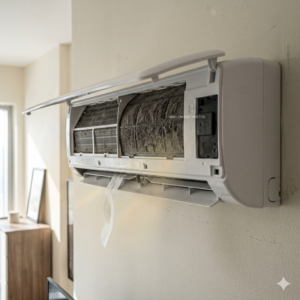
2. Evaporator Coil Contamination
The evaporator coil is constantly exposed to moisture. Over time, dust and organic particles stick to it, creating a damp layer.
This layer becomes a breeding ground for odor-causing bacteria.
3. Dirty Sock Syndrome
This is a common AC issue where the system releases a strong musty smell when it starts running.
It is caused by microbial growth on the evaporator coil. The smell is often strongest when the AC turns on after being off for a while.
4. Contaminated Duct System
Dust, mold, and debris inside ductwork can circulate odors throughout the home.
This is why many cases require deeper intervention such as AC deep cleaning instead of surface-level solutions.
Building-Specific Causes in Apartments and Villas
1. Negative Pressure in Apartments
In high-rise apartments, negative pressure can pull humid air from corridors, bathrooms, or outside into your unit.
This introduces moisture continuously, even if your AC is working properly.
2. Attic Duct Condensation in Villas
In villas, ductwork often runs through hot attic spaces. When cold air flows through ducts in a hot environment, condensation forms.
This leads to hidden moisture buildup and long-term odor issues.
3. Poor Ventilation Design
Some buildings have limited fresh air exchange. This traps humidity inside, allowing odors to accumulate over time.
Professional Solutions That Address the Root Cause
When musty smells persist, professional intervention is often required.
1. Drain Line Flushing
This process clears blockages in the condensate drain system.
- Removes stagnant water
- Restores proper drainage
- Prevents bacterial growth
2. AC Deep Cleaning
This involves cleaning internal components such as coils, blower fans, and drainage systems.
- Removes built-up dirt and biofilm
- Eliminates odor-causing bacteria
- Improves airflow and efficiency
3. Antimicrobial Fogging
This method distributes disinfectant throughout the duct system.
- Kills bacteria and mold
- Reaches areas that manual cleaning cannot
- Reduces odor at the source
4. Full Duct Cleaning
If ducts are contaminated, they must be cleaned internally.
This is not the same as vent cleaning—it involves deep system cleaning to remove hidden buildup.
Zero-Cost Troubleshooting Steps You Can Try
Before calling professionals, there are practical steps you can take immediately.
1. Adjust Thermostat Settings
Set the AC fan to “auto” instead of “on.” Continuous fan mode can spread moisture and odors throughout the system.
2. Keep Temperature Stable
Avoid extreme temperature differences between indoor and outdoor air. This reduces condensation.
3. Check Floor Drain Traps
Dry floor drains can release sewer-like musty smells. Pour water into the drain to restore the seal.
4. Improve Air Circulation
Open doors between rooms occasionally to allow airflow and reduce humidity pockets.
5. Inspect Visible Moisture Areas
Check under sinks, behind furniture, and around AC vents for damp spots.
When Musty Smell Removers Are Not Enough
If the smell keeps returning after using absorbers, sprays, or cleaning products, it means the root cause is still active.
This usually indicates:
- Hidden moisture inside AC system
- Contaminated ducts
- Drainage issues
- Structural airflow problems
At this stage, surface-level solutions are no longer effective.
Why Ignoring Musty Smell Is Risky
Ignoring the issue can lead to:
- Poor indoor air quality
- Allergy and respiratory irritation
- Higher AC energy consumption
- Long-term system damage
The smell itself is often just the first sign of a deeper problem.
How to Prevent Musty Smell Long-Term
- Schedule regular AC maintenance
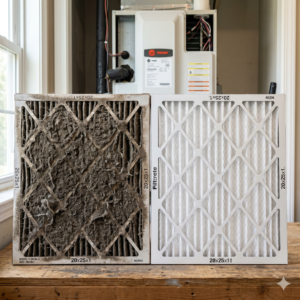
- Clean filters every 1–2 months
- Ensure proper drainage system function
- Avoid turning off AC completely for long periods
- Maintain stable indoor temperature
Prevention is always more cost-effective than repeated cleaning or repair.
If you are dealing with a musty smell that keeps returning, it is important to address the source rather than relying on temporary solutions. Moisture buildup, hidden contamination, and airflow issues can quietly affect your indoor air quality and AC performance over time. Ignoring it may lead to stronger odors, higher energy costs, and potential system damage. With the right approach, these issues can be identified and resolved early. If you need clarity about your situation, you can use the WhatsApp or Call button on the top right to connect with the Bio On Air team and understand the most suitable next step.
Conclusion
A musty smell remover can provide temporary relief, but lasting results depend on identifying and eliminating the root cause. In UAE homes, this often involves moisture control, AC system cleaning, and airflow management. By combining immediate solutions with proper long-term action, you can maintain a clean, fresh, and healthy indoor environment.