




Choosing the right mep services company in the UAE is critical for project success, regulatory compliance, and long-term operational safety. From approvals like DEWA and Civil Defence to contractor verification and contract structure, this guide explains everything you need to evaluate before selecting a reliable MEP partner.
Table of Contents
ToggleWhat Does an MEP Services Company Actually Do
An MEP services company handles the mechanical, electrical, and plumbing systems that make a building functional, safe, and compliant. In the UAE, this scope goes far beyond basic installations. It includes system design, approvals, execution, testing, and long-term maintenance.
MEP systems are not optional—they are core infrastructure. Without proper MEP execution, even a visually perfect building can fail operationally.
Understanding UAE Regulatory Approvals and Compliance
One of the most critical roles of an MEP services company in the UAE is ensuring compliance with local authorities. Each emirate has strict regulatory frameworks that must be followed before, during, and after construction.
Key Authorities You Must Know
- DEWA (Dubai Electricity and Water Authority) – Approves electrical and water systems in Dubai
- ADDC (Abu Dhabi Distribution Company) – Governs utilities in Abu Dhabi
- SEWA (Sharjah Electricity, Water and Gas Authority) – Regulates Sharjah systems
- Civil Defence – Mandatory for fire and life safety approvals
- Master Developers – Such as Emaar, Nakheel, DAMAC with their own guidelines
Each authority has its own submission process, inspection standards, and approval timelines. A competent MEP contractor must understand all of them.
Why Compliance Is Non-Negotiable
Failure to meet regulatory requirements can lead to:
- Project delays due to rejected approvals
- Penalties and fines
- Rework costs that exceed initial budgets
- Operational shutdown after completion
This is why compliance is not just a technical requirement—it is a financial and legal necessity.
How to Verify Contractor Certifications and NOC Process
Trade License and Activity Verification
Always verify if the contractor holds a valid UAE trade license with the correct MEP activities listed. Some companies operate under general contracting licenses but outsource technical work, which can reduce accountability.
Authority Registrations
A legitimate MEP services company should be registered with relevant authorities such as DEWA or Civil Defence.
No Objection Certificate (NOC) Process
NOC approvals are required for:
- Utility connections
- System modifications
- Infrastructure tie-ins
Experienced contractors manage NOC submissions, follow-ups, and approvals efficiently, preventing project delays.
MEP Services by Project Phase
1. New Construction Projects
This phase includes full MEP design, authority approvals, installation, and testing. It requires coordination with architects, structural engineers, and project managers.
2. Commercial Fit-Out Projects
Fit-out projects focus on modifying existing systems to suit tenant requirements. This includes:
- HVAC redesign
- Electrical load adjustments
- Fire system modifications
Approvals from Civil Defence and developers are often required.
3. Facility Management and AMC Contracts
After project completion, MEP systems require ongoing maintenance. Annual Maintenance Contracts (AMC) ensure:
- System performance
- Preventive maintenance
- Reduced breakdown risk
This phase is critical for long-term building efficiency.
Full Scope of MEP Services Beyond Basics
Mechanical Systems (HVAC)
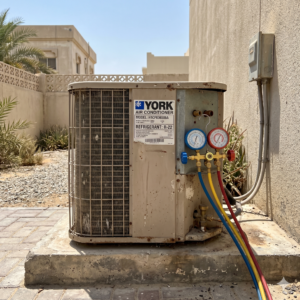
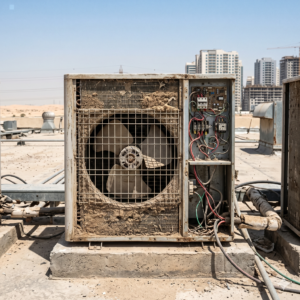
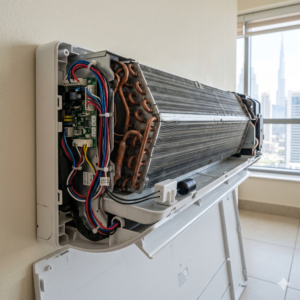
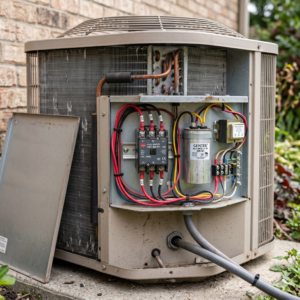
HVAC is a major component of MEP services. It includes:
- Chilled water systems
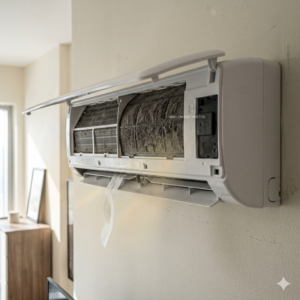
- DX systems (split and package units)
- Ventilation and exhaust systems
In UAE conditions, HVAC systems must handle extreme temperatures and humidity.
Understanding how systems like AC installation and replacement are handled within MEP scope is essential for efficiency and compliance.
Electrical Systems
- Power distribution systems
- Lighting design and installation
- Backup generators and UPS systems
ELV (Extra Low Voltage Systems)
- CCTV and security systems
- Access control
- Data and communication networks
Fire and Life Safety Systems
- Fire alarm systems
- Fire suppression systems
- Smoke control systems
All fire systems must be approved by Civil Defence.
Specialized Plumbing Systems
- Water supply and drainage
- Stormwater systems
- Greywater recycling
In-House Engineering vs Subcontracted Labor
In-House Engineering Teams
Companies with internal engineering teams offer:
- Better coordination
- Faster decision-making
- Higher accountability
Subcontracted Labor Model
Some contractors outsource most of their work. This can reduce cost but also:
- Increase communication gaps
- Reduce quality control
- Delay project timelines
What to Check
- Company manpower structure
- Engineer-to-worker ratio
- Presence of certified supervisors
ISO Certifications and Quality Assurance
Reputable MEP companies often hold ISO certifications such as:
- ISO 9001 – Quality management
- ISO 14001 – Environmental management
- ISO 45001 – Occupational health and safety
These certifications indicate structured processes and consistent quality standards.
Commercial Contract Structures in UAE MEP Projects
Lump Sum Contracts
Fixed price for the entire scope. Suitable for well-defined projects.
Re-Measurable Contracts
Pricing based on actual quantities used. Suitable for flexible or evolving projects.
Which Is Better
It depends on project clarity. Lump sum reduces uncertainty, while re-measurable offers flexibility.
Retention Terms and Defect Liability Period (DLP)
Retention Terms
A portion of payment (usually 5–10%) is withheld until project completion or DLP expiry.
Defect Liability Period
This is the period after completion where the contractor is responsible for fixing defects. Typically ranges from 6 to 12 months.
Strong contractors honor DLP commitments and respond quickly to issues.
Financial Risks of Low-Cost Non-Compliant Contractors
Choosing the cheapest contractor can create hidden risks:
- Non-compliance with authority regulations
- Use of substandard materials
- Project delays and rework costs
- Failure during inspections
These risks often lead to higher total project costs compared to choosing a qualified contractor from the start.
How to Evaluate an MEP Services Company
- Verify trade license and approvals
- Check project portfolio
- Review manpower and engineering structure
- Confirm authority registrations
- Evaluate contract transparency
This structured evaluation helps you avoid costly mistakes.
Why HVAC Expertise Matters Within MEP Scope
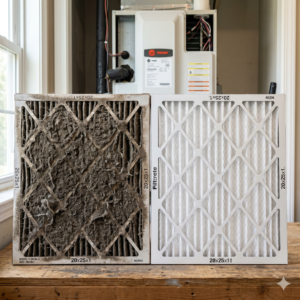
HVAC systems are one of the most sensitive components in MEP. Poor design or installation can affect:
- Indoor air quality
- Energy efficiency
- System lifespan
That is why understanding related services such as AC maintenance and AMC is important for long-term performance.
Long-Term Value of Choosing the Right MEP Partner
A reliable MEP company does not just complete the project—it ensures long-term performance and compliance.
- Reduced operational issues
- Lower maintenance costs
- Better energy efficiency
- Improved safety and compliance
These benefits directly impact building performance and operational cost.
If you are planning a project or currently working with an MEP contractor, it is important to evaluate both compliance and technical capability early. Poor MEP execution can lead to serious issues such as system inefficiency, safety risks, and costly rework after approvals are rejected. Addressing these factors early helps ensure smooth project execution and long-term reliability. If you need guidance on HVAC-related systems or want to understand how your current setup aligns with UAE standards, you can use the WhatsApp or Call button on the top right to connect with the Bio On Air team and discuss your situation.
Conclusion
Choosing the right mep services company in the UAE requires understanding compliance, technical scope, and contract structure. By evaluating these factors carefully, you can avoid risks, ensure approvals, and achieve long-term performance for your project.