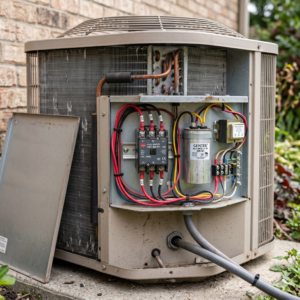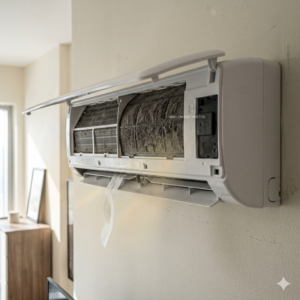





Choosing the right hvac solutions company is critical for businesses in the UAE that rely on stable cooling, energy efficiency, and healthy indoor environments. From design and installation to optimization and long-term maintenance, a full-spectrum HVAC partner ensures your system performs reliably under demanding conditions.
Table of Contents
ToggleWhat Defines a Full-Spectrum HVAC Solutions Company
An HVAC solutions company is not just a service provider that repairs or installs equipment. It is an engineering-driven partner that handles the entire lifecycle of heating, ventilation, and air conditioning systems.
This includes:
- System design and engineering
- Installation and commissioning
- Performance optimization
- Maintenance and lifecycle management
In commercial environments such as offices, malls, hospitals, and data centers, HVAC systems are critical infrastructure. Any inefficiency or failure directly impacts operations, costs, and occupant comfort.
Turnkey HVAC Design and Build Solutions
One of the core capabilities of a professional HVAC solutions company is delivering turnkey design and build projects. This means handling everything from concept to execution.
Turnkey HVAC solutions typically include:
- Site assessment and requirement analysis
- Load calculation and system sizing
- System design and layout planning
- Equipment selection
- Installation and commissioning
This integrated approach ensures consistency, reduces errors, and improves overall system efficiency.
Load Calculations and System Modeling
Accurate load calculation is the foundation of any HVAC system. It determines how much cooling or heating is required for a building.
Factors considered include:
- Building size and orientation
- Occupancy levels
- Equipment heat load
- Outdoor climate conditions
Advanced HVAC companies use system modeling software to simulate performance under real conditions. This helps optimize energy usage and ensures proper equipment sizing.
Energy Retrofitting for Aging HVAC Systems
Many commercial buildings in the UAE operate with aging HVAC systems that consume excessive energy. Retrofitting is a cost-effective solution to improve performance without full replacement.
Energy retrofitting strategies include:
- Upgrading to energy-efficient chillers
- Installing variable frequency drives (VFDs)
- Improving insulation and airflow design
- Optimizing control systems
These upgrades can significantly reduce energy consumption and operational costs.
Commercial HVAC Equipment Portfolio
A professional HVAC solutions company works with a wide range of commercial systems.
Chiller Systems
Chillers are commonly used in large buildings and industrial facilities. They provide centralized cooling and are highly efficient when properly managed.
VRF and VRV Systems
Variable Refrigerant Flow (VRF) and Variable Refrigerant Volume (VRV) systems allow precise temperature control across multiple zones. These systems are ideal for offices and hotels.
FAHU Units
Fresh Air Handling Units (FAHU) improve indoor air quality by supplying filtered and conditioned fresh air into the building.
Mission-Critical Cooling
Data centers and server rooms require continuous cooling. Even a short interruption can lead to data loss or system failure.
Mission-critical cooling systems are designed with redundancy and backup mechanisms to ensure uninterrupted operation.
Compliance with UAE Regulations and International Standards
HVAC systems in the UAE must comply with local regulations and international standards to ensure safety, efficiency, and environmental responsibility.
Key considerations include:
- Dubai Municipality guidelines
- ASHRAE standards
- Energy efficiency regulations
- Indoor air quality requirements
Compliance ensures that systems operate safely and meet performance expectations.
Testing, Adjusting, and Balancing (TAB)
After installation, HVAC systems must undergo Testing, Adjusting, and Balancing (TAB) to ensure proper performance.
TAB involves:
- Measuring airflow and pressure
- Adjusting system components
- Balancing air distribution
This process ensures that every area of the building receives the correct amount of airflow.
Building Management System Integration
Modern HVAC systems are often integrated into Building Management Systems (BMS). This allows centralized control and monitoring.
BMS integration enables:
- Real-time system monitoring
- Automated temperature control
- Energy usage tracking
- Fault detection and alerts
This improves operational efficiency and reduces manual intervention.
Chiller Optimization and Cost Reduction
Chillers are one of the largest energy consumers in commercial buildings. Optimizing their performance can significantly reduce operating costs.
Optimization strategies include:
- Improving load distribution
- Cleaning condenser and evaporator coils
- Adjusting control settings
- Monitoring energy usage patterns
Even small improvements in efficiency can result in substantial savings over time.
Enterprise-Level Annual Maintenance Contracts (AMC)
For commercial clients, structured Annual Maintenance Contracts (AMC) are essential for system reliability.
An AMC typically includes:
- Scheduled preventive maintenance
- Routine inspections and servicing
- Emergency support
- Performance monitoring
Preventive Maintenance
Preventive maintenance focuses on identifying issues before they become major problems.
Predictive Maintenance
Predictive maintenance uses data and monitoring tools to detect early signs of failure.
This reduces downtime and extends equipment lifespan.
SLA-Based Response and Support
Enterprise clients require defined Service Level Agreements (SLA) to ensure timely response and resolution.
SLA components include:
- Response time guarantees
- Resolution time targets
- 24/7 emergency support
- Priority service for critical systems
This ensures that HVAC issues are handled quickly and efficiently.
Why HVAC Engineering Quality Matters
Poorly designed or maintained HVAC systems can lead to:
- High energy costs
- Frequent breakdowns
- Poor indoor air quality
- Discomfort for occupants
A professional HVAC solutions company focuses on engineering quality, not just equipment installation.
Integration of Services for Long-Term Efficiency
The best results come from integrating design, installation, optimization, and maintenance into a single strategy.
This ensures:
- Consistent system performance
- Reduced operational costs
- Improved reliability
Rather than treating HVAC as a one-time project, it should be managed as an ongoing system.
When to Work with a Professional HVAC Solutions Company
You should consider working with a full-service HVAC partner if:
- You are developing a new commercial project
- Your current system is inefficient or outdated
- You require reliable cooling for critical operations
- You want to reduce energy costs
Professional expertise ensures that your system is designed and maintained correctly from the start.
For businesses operating in the UAE, HVAC systems are more than just comfort solutions—they are essential infrastructure. Ignoring inefficiencies or delaying upgrades can lead to higher operational costs, reduced system lifespan, and compromised indoor air quality. With the right engineering approach, these challenges can be managed effectively. If you need a clearer understanding of your system performance or potential improvements, you can use the WhatsApp or Call button on the top right to connect with the Bio On Air team and discuss the most suitable next steps based on your requirements.
Conclusion
An hvac solutions company provides more than installation or repair—it delivers a complete system strategy. From design and engineering to optimization and maintenance, choosing the right partner ensures efficiency, reliability, and long-term value for your HVAC systems.