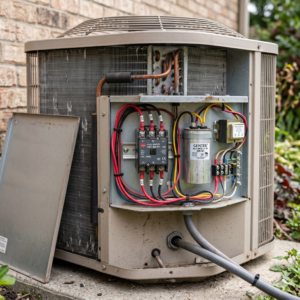
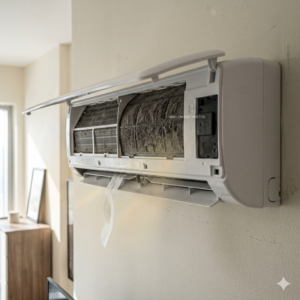
Effective hvac maintenance tips are essential in the UAE, where extreme heat, dust, and humidity put constant stress on cooling systems. Whether you are using chillers, VRF systems, or residential AC units, proper maintenance is not optional—it directly impacts energy efficiency, air quality, and system lifespan. This guide explains practical and technical maintenance strategies tailored to UAE conditions.
Table of Contents
ToggleUnderstanding HVAC Systems Used in UAE Properties
Before applying any maintenance strategy, it is important to understand that not all HVAC systems operate the same way. In the UAE, systems vary depending on property type, building infrastructure, and cooling method.
Chiller and FCU Systems (District Cooling)
Common in high-rise apartments and large commercial buildings, district cooling systems use centralized chillers to supply chilled water to Fan Coil Units (FCUs) inside each unit.
- Cooling is delivered through water, not refrigerant directly
- Maintenance focuses on FCUs, filters, and drainage
- Airflow and coil condition are critical for efficiency
VRF or VRV Systems
These systems are widely used in villas and commercial spaces. They allow multiple indoor units to connect to a single outdoor system.
- Highly energy efficient when maintained properly
- Sensitive to refrigerant balance and system pressure
- Require specialized diagnostics
Ducted and Split AC Systems
Most residential properties in the UAE use ducted central AC or split systems.
- Ducted systems rely on airflow through hidden ducts
- Split units are easier to access but still require regular cleaning
Each system type requires a different maintenance approach, which is why generic maintenance advice often fails in UAE conditions.
Why HVAC Maintenance Is Critical in UAE Climate
The UAE climate creates unique stress factors for HVAC systems:
- Extreme heat (often above 40°C)
- Continuous AC operation for most of the year
- Fine desert dust entering systems
- Humidity causing condensation and mold growth
Unlike mild climates, HVAC systems in the UAE operate under near-constant load. This means small inefficiencies quickly become major problems.
Desert-Specific Maintenance Challenges
Calcareous Sand and Dust Buildup
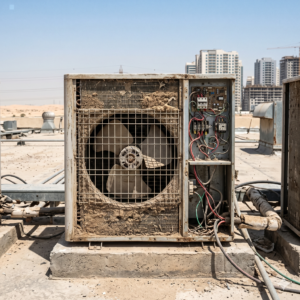
Desert dust in the UAE is not just regular dirt—it is fine, mineral-rich sand that sticks to coils and filters.
This leads to:
- Reduced airflow
- Clogged evaporator coils
- Lower cooling efficiency
Regular filter cleaning alone is not enough. Internal coil cleaning becomes necessary over time.
Humidity and Mold Risk
Although the UAE is known for its desert climate, indoor environments often have high humidity due to sealed spaces and constant cooling.
This creates conditions for:
- Mold growth inside ducts
- Musty odors
- Health issues such as allergies
Proper cleaning and airflow management are key to preventing this.
Condensate Drainage Issues
Every AC system produces water through condensation. If the drainage system is blocked:
- Water leakage occurs
- Humidity increases indoors
- Mold risk rises significantly
Drain line maintenance is one of the most overlooked but critical tasks.
Core HVAC Maintenance Tips for UAE Systems
1. Clean or Replace Air Filters Regularly
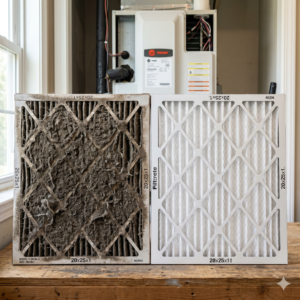
Filters should be cleaned every 2–4 weeks in dusty environments. Dirty filters restrict airflow and force the system to work harder.
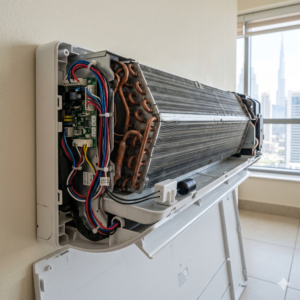
2. Perform Coil Cleaning with Proper Methods
Evaporator and condenser coils should be cleaned using appropriate chemical solutions. Simple water cleaning is not enough for mineral buildup.
Proper AC deep cleaning ensures that internal components are fully restored.
3. Inspect and Flush Drain Lines
Drain lines should be checked regularly to prevent blockage. Flushing helps remove algae and debris.
4. Maintain Airflow Balance
Airflow is often ignored but is critical for performance. Blocked vents or poor duct design can reduce efficiency significantly.
5. Schedule Periodic System Inspections
Routine inspections help detect issues early before they become major failures.
Advanced HVAC Maintenance Checks (Often Ignored)
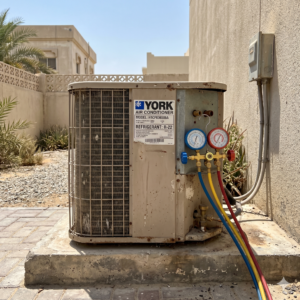
Refrigerant Level Verification (Beyond Top-Up)
Many technicians simply “top up” refrigerant without identifying leaks. This is a temporary fix.
Proper maintenance includes:
- Leak detection
- Pressure balancing
- System performance testing
Nitrogen Pressure Testing
This is a professional method used to detect leaks in the system. It ensures that refrigerant loss is properly addressed.
Amp Draw Diagnostics
Electrical current measurement helps identify compressor stress and motor issues.
Abnormal readings may indicate:
- Overloading
- Internal wear
- Impending failure
System-Specific HVAC Maintenance Tips
Chiller and FCU Systems
- Clean FCU coils regularly
- Check valve and water flow balance
- Maintain proper drainage
VRF / VRV Systems
- Monitor refrigerant levels carefully
- Ensure correct system calibration
- Avoid unauthorized adjustments
Ducted Systems
- Inspect ducts for dust buildup
- Ensure proper sealing
- Clean internal airflow pathways
Split AC Units
- Clean indoor unit filters
- Check outdoor condenser condition
- Monitor cooling performance
Financial Impact of Proper HVAC Maintenance
HVAC systems consume a large portion of electricity in UAE properties. Poor maintenance directly increases energy usage.
Energy Efficiency and Utility Bills
Dirty systems require more power to achieve the same cooling output.
This results in:
- Higher DEWA or ADDC bills
- Longer running time
- Increased system strain
Prevention of Short Cycling
Short cycling occurs when the AC turns on and off frequently. This reduces efficiency and damages components.
Extended Compressor Lifespan
The compressor is the most expensive component. Proper maintenance helps prevent overheating and failure.
Common Maintenance Mistakes to Avoid
- Ignoring early warning signs
- Skipping professional inspections
- Using unqualified technicians
- Relying on temporary fixes
These mistakes often lead to higher costs in the long term.
How Often Should HVAC Maintenance Be Done
| Task | Frequency |
|---|---|
| Filter Cleaning | Every 2–4 weeks |
| Coil Cleaning | Every 6–12 months |
| Full Inspection | Every 6 months |
| Duct Cleaning | Every 1–2 years |
Long-Term Benefits of Proper HVAC Maintenance
- Lower electricity consumption
- Better indoor air quality
- Fewer system breakdowns
- Longer equipment lifespan
Maintenance is not just about avoiding problems—it is about optimizing performance.
Why Preventive Maintenance Matters More Than Repairs
In the UAE, HVAC systems are under constant stress. Waiting for a breakdown often results in higher repair costs and longer downtime.
Preventive maintenance allows:
- Early detection of issues
- Controlled repair costs
- Consistent cooling performance
If you are managing an HVAC system in the UAE, it is important not to wait until problems become visible. Dust buildup, hidden moisture, and system inefficiencies can quietly reduce performance, increase energy costs, and lead to major failures. Addressing these issues early helps maintain both comfort and system reliability. If you need clarity about your HVAC condition or maintenance requirements, you can use the WhatsApp or Call button on the top right to connect with the Bio On Air team and understand the most suitable next step.
Conclusion
Following the right hvac maintenance tips in the UAE is essential for maintaining efficiency, air quality, and system lifespan. With proper care and regular inspection, you can avoid major breakdowns, reduce energy costs, and ensure consistent cooling even in extreme conditions.