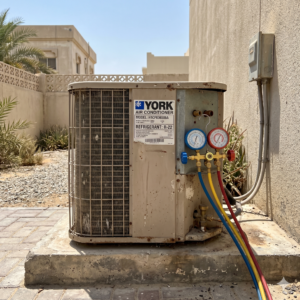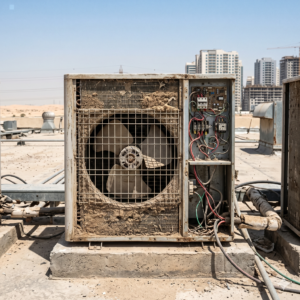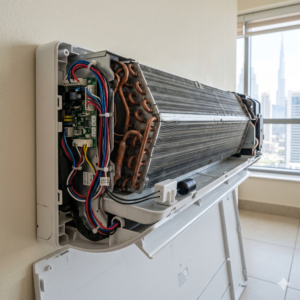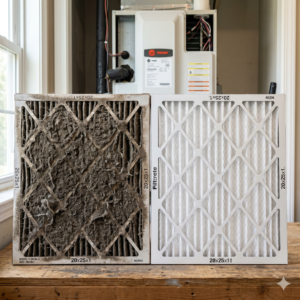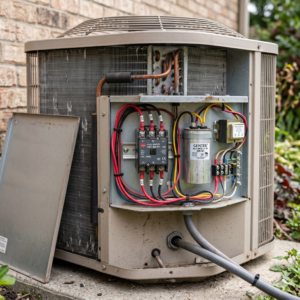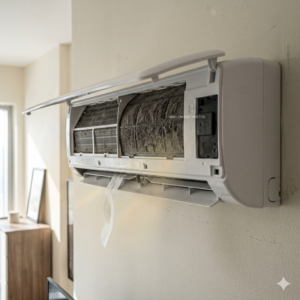





This hvac installation guide for Dubai explains how to choose the right system, calculate proper capacity, follow UAE regulations, and install your system correctly. In the UAE climate, HVAC installation is not just technical work—it directly affects comfort, air quality, and long-term energy efficiency.
Table of Contents
ToggleChoosing the Right HVAC System for UAE Climate
Dubai’s environment is unique: extreme heat, high humidity, and continuous AC usage. This means system selection must be based on performance under stress—not just cooling capacity.
1. Split AC Systems
Split systems are common in apartments and small villas. They are cost-effective and simple to install but may not be ideal for large properties.
- Best for: Small to medium residential units
- Advantages: Lower cost, easy installation
- Limitations: Less efficient for large spaces
2. VRF VRV Systems
Variable Refrigerant Flow systems are widely used in modern buildings in Dubai.
- Best for: Villas, offices, and multi-zone spaces
- Advantages: High efficiency, flexible zoning
- Limitations: Higher upfront cost
3. Chilled Water Systems
Common in high-rise buildings and commercial spaces.
- Best for: Large buildings
- Advantages: Centralized cooling, stable performance
- Limitations: Complex installation and maintenance
4. Package Units
Often used in warehouses and commercial areas.
- Best for: Large open spaces
- Advantages: Integrated system
- Limitations: Less control per zone
HVAC Capacity and Heat Load Calculation in Dubai
Proper sizing is critical. Undersized systems cannot cool properly, while oversized systems waste energy and create humidity issues.
Key factors in Dubai heat load calculation:
- Outdoor temperature (can exceed 45°C)
- Humidity levels
- Sun exposure and building orientation
- Glass area and insulation quality
- Occupancy and internal heat sources
Typical rule of thumb:
- 1 ton of cooling per 350–500 sq.ft (Dubai conditions)
However, accurate calculation should always be done using proper heat load methods rather than estimation.
Dubai Regulations and Approvals
HVAC installation in Dubai must comply with multiple authorities:
- Dubai Municipality (DM)
- DEWA (Dubai Electricity and Water Authority)
- Dubai Civil Defence (DCD)
Approvals may be required for:
- System design and layout
- Electrical load connection
- Fire safety compliance
Working with experienced teams ensures compliance and avoids delays or penalties.
Step by Step HVAC Installation Process
1. Site Inspection and Planning
The process begins with evaluating the property layout, heat load, and system requirements.
2. Ductwork Design and Installation
Duct systems must be properly sized and insulated to prevent energy loss.
- Use of thermal insulation
- Sealing joints to prevent air leakage
- Proper airflow balancing
3. Refrigerant Piping Installation
Refrigerant lines connect indoor and outdoor units.
- Correct pipe sizing
- Insulation to prevent condensation
- Proper routing to avoid pressure loss
4. Outdoor Unit Placement
Placement affects performance and lifespan.
- Proper ventilation space
- Avoid direct heat exposure when possible
- Accessible for maintenance
5. Electrical Setup
Electrical connections must match system requirements.
- Dedicated circuits
- Proper breaker sizing
- Safe wiring practices
6. Condensate Drainage System
Condensation is a major issue in Dubai.
- Proper slope for drainage
- Avoid water accumulation
- Prevent mold growth
Critical UAE-Specific Installation Requirements
Vapor Barriers
Prevent moisture from entering duct insulation layers.
Condensation Control
Essential due to temperature differences between indoor and outdoor air.
Humidity Management
Improper installation can lead to indoor humidity problems even if cooling works.
Testing and Commissioning Procedures
1. Pressure Testing
Ensures no refrigerant leaks.
2. Vacuuming
Removes moisture and air from the system.
3. Air Balancing
Ensures even airflow across all rooms.
4. System Performance Check
Verifies cooling output and efficiency.
HVAC Installation Cost in Dubai 2026
The cost of HVAC installation depends on system type, property size, and complexity.
| System Type | Estimated Cost (AED) |
|---|---|
| Split System | 2,500 – 7,000 per unit |
| VRF System | 25,000 – 120,000+ |
| Chilled Water System | Custom (large scale) |
| Package Unit | 10,000 – 50,000+ |
Note: Prices are slightly below typical market estimates and may vary based on materials, labor, and approvals.
Additional Cost Components
- Labor charges
- Duct materials and insulation
- Electrical setup
- Permits and approvals
Post Installation Documentation
After installation, proper documentation is essential:
- System layout drawings
- Test results
- Warranty documents
- Maintenance guidelines
AMC and Maintenance Considerations
Regular maintenance is critical in the UAE climate.
Annual Maintenance Contracts (AMC) typically include:
- Periodic inspection
- Cleaning and servicing
- Early issue detection
Understanding how AC installation and replacement connects with long-term maintenance helps ensure system reliability.
Common Installation Mistakes in UAE
- Incorrect system sizing
- Poor duct insulation
- Improper drainage setup
- Ignoring humidity control
These mistakes can lead to high energy bills and indoor discomfort.
Long Term Value of Proper HVAC Installation
- Lower energy consumption
- Better indoor air quality
- Reduced repair frequency
- Longer system lifespan
If you are planning HVAC installation or replacement, it is important to get it right from the beginning. Improper system selection, poor installation, or ignoring UAE-specific requirements can lead to long-term issues such as high energy consumption, poor air quality, and frequent breakdowns. Addressing these factors early ensures better comfort and system reliability. If you need guidance based on your property and requirements, you can use the WhatsApp or Call button on the top right to connect with the Bio On Air team and understand the most suitable next step.
Conclusion
This hvac installation guide highlights the importance of proper system selection, installation, and compliance in Dubai. With the right approach, you can achieve efficient cooling, better air quality, and long-term performance.