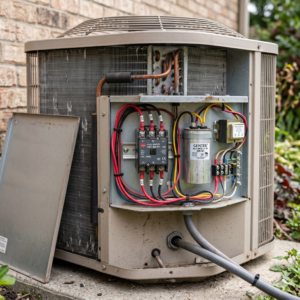
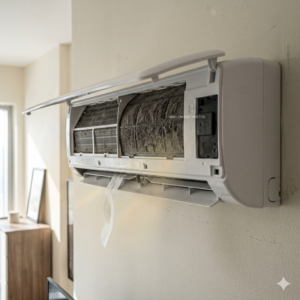
hvac duct cleaning in the UAE is not just about removing dust—it is about restoring clean airflow inside a system constantly exposed to heat, humidity, and fine desert particles. In Dubai and across the Emirates, hidden contamination inside ducts can affect air quality, cooling efficiency, and even health if left untreated.
Table of Contents
ToggleWhy HVAC Duct Cleaning Is Critical in UAE Environments
Unlike many other regions, HVAC systems in the UAE operate almost continuously throughout the year. This constant usage, combined with external environmental factors, creates a unique contamination pattern inside duct systems.
Three major UAE-specific causes make HVAC duct cleaning essential:
1. Shamal Dust Infiltration
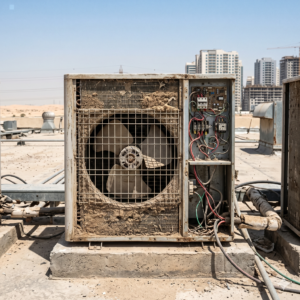
The Shamal winds carry extremely fine desert dust particles that easily enter buildings. Even with closed windows, these particles can infiltrate through door gaps, ventilation points, and building envelopes.
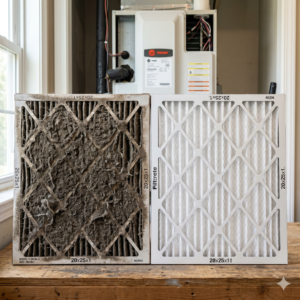
Over time, this dust accumulates inside ducts and forms a compact layer that:
- Restricts airflow
- Reduces cooling efficiency
- Circulates fine particles back into indoor air
2. Condensation-Driven Mold Growth
In UAE buildings, cold AC air meets warm, humid air frequently. This temperature difference creates condensation inside ducts and ceiling cavities.
This moisture becomes a breeding ground for:
- Mold spores
- Bacteria
- Microbial growth
Because ducts are hidden, mold growth can develop unnoticed for months.
3. Sick Building Syndrome Symptoms
Many residents experience symptoms without realizing the cause is their HVAC system.
Common signs include:
- Frequent sneezing or allergies indoors
- Headaches or fatigue
- Persistent musty odor
- Dust accumulation shortly after cleaning
These symptoms are often linked to contaminated air circulating through the duct system.
What Happens Inside a Dirty HVAC Duct System
Over time, multiple layers of contamination build up inside ducts:
- Fine dust and sand particles
- Organic debris
- Moisture accumulation
- Mold colonies
- Bacterial growth
This combination creates a closed-loop problem. Every time the AC runs, contaminated air is redistributed throughout the property.
Unlike visible dirt, internal duct contamination cannot be solved with surface cleaning.
Professional HVAC Duct Cleaning Methodology
A proper HVAC duct cleaning process follows a structured, multi-stage approach. Each stage plays a critical role in ensuring effective results.
1. Robotic Camera Inspection
The process begins with internal inspection using specialized cameras.
- Identifies dust buildup and blockages
- Detects mold presence
- Evaluates duct condition
This step provides visual confirmation before cleaning begins.
2. Negative Pressure HEPA Vacuum Isolation
Before removing contaminants, the system is placed under negative pressure using high-powered HEPA-filtered vacuum machines.
This ensures:
- Dust does not escape into indoor air
- Particles are safely extracted
- Air remains controlled during cleaning
3. Mechanical Rotary Brushing
Rotary brushes are inserted into the ducts to physically dislodge debris.
- Breaks up compact dust layers
- Removes adhered particles
- Prepares ducts for extraction
This is essential because vacuum alone cannot remove stuck contaminants.
4. High-Powered Extraction
Once loosened, contaminants are removed using industrial vacuum systems.
This step ensures:
- Complete debris removal
- No redistribution of dust
- Deep internal cleaning
5. Sanitization with Eco-Safe Biocides
After cleaning, the system is treated with hospital-grade sanitizing solutions.
- Eliminates mold spores
- Removes bacteria
- Prevents regrowth
These solutions are designed to be effective while remaining safe for indoor environments.
A complete HVAC duct cleaning process follows all these steps to ensure both cleanliness and safety.
Rigid Steel Ducts vs Flexible Ducts Cleaning Approach
Not all ducts are the same. Different materials require different cleaning techniques.
| Duct Type | Characteristics | Cleaning Method |
|---|---|---|
| Rigid Steel Ducts | Durable, smooth interior | Rotary brushing + vacuum extraction |
| Flexible Ducts | Soft, ribbed interior | Low-pressure cleaning to avoid damage |
Flexible ducts require careful handling. Aggressive cleaning can damage their structure.
Return Air Ceiling Plenums in UAE Apartments
Many UAE apartments use ceiling cavities as return air plenums instead of dedicated duct systems.
This design means:
- Dust accumulates directly in ceiling voids
- Air is pulled through unsealed areas
- Contamination spreads more easily
Cleaning plenums requires:
- Manual debris removal
- Vacuum extraction
- Sanitization of exposed surfaces
This step is often overlooked in basic cleaning services.
AC Unit Cleaning vs HVAC Duct Cleaning
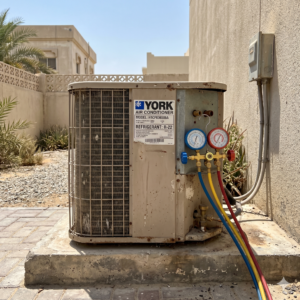
Many people confuse AC cleaning with duct cleaning. These are two different processes.
| Service | Focus Area | Purpose |
|---|---|---|
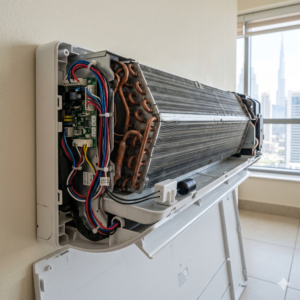
| AC Unit Cleaning | Coils, filters, drain tray | Improve cooling performance |
| HVAC Duct Cleaning | Airflow pathways | Improve air quality |
In many cases, both services are required together.
If only the AC unit is cleaned:
- Dirty air still circulates
If only ducts are cleaned:
- AC efficiency may still be reduced
A combined approach ensures full system performance.
Measurable Outcomes After HVAC Duct Cleaning
Proper duct cleaning produces clear, noticeable improvements.
1. Improved Airflow
Removing blockages allows air to move freely, improving cooling distribution.
2. Odor Elimination
Musty smells caused by mold and bacteria are removed.
3. Reduced Indoor Dust
Less dust circulates, meaning cleaner surfaces and reduced cleaning frequency.
4. Better Indoor Air Quality
Air becomes fresher and healthier, especially for sensitive individuals.
5. Energy Efficiency Improvement
Clean ducts reduce system strain, lowering energy consumption.
How Often Should HVAC Duct Cleaning Be Done in UAE
Due to environmental conditions, duct cleaning is recommended:
- Every 12–24 months for residential properties
- More frequently for commercial spaces
High-usage environments may require more frequent cleaning.
Common Mistakes in HVAC Duct Cleaning
- Choosing low-cost services that only clean vents
- Skipping sanitization
- Ignoring plenum cleaning
- Not verifying inspection results
These mistakes lead to incomplete cleaning and recurring issues.
Cost for HVAC Duct Cleaning in UAE
The cost for HVAC duct cleaning varies based on system size and contamination level.
| Service Type | Estimated Range (AED) |
|---|---|
| Small apartment | 400 – 900 |
| Medium apartment | 800 – 1,800 |
| Villa | 2,000 – 6,000+ |
Note: These estimates are slightly below typical market rates and actual prices may vary depending on system condition and service scope.
Why Early Action Matters
HVAC contamination builds gradually. The longer it is ignored, the harder and more expensive it becomes to clean.
If you are noticing dust buildup, musty odors, or airflow issues, these are early indicators that should not be ignored. Over time, internal contamination can affect both air quality and system performance, leading to higher energy usage and potential damage. Addressing these issues early helps maintain a healthier indoor environment and prevents unnecessary costs. If you need a clearer understanding of your HVAC condition, you can use the WhatsApp or Call button on the top right to connect with the Bio On Air team and explore the most suitable next step based on your situation.
Conclusion
HVAC duct cleaning in the UAE is a critical service for maintaining clean air and efficient cooling. By understanding contamination causes, proper cleaning methods, and expected outcomes, you can make informed decisions that improve both indoor comfort and system performance.