




The fresh air handling unit working principle is essential for maintaining healthy indoor air in modern UAE buildings. Unlike standard cooling systems, a FAHU is designed to treat outdoor air before it enters the building. This article explains how it works step by step, how it differs from AHU systems, and how it handles extreme heat and humidity in UAE conditions.
Table of Contents
ToggleWhat Is a Fresh Air Handling Unit FAHU
A Fresh Air Handling Unit (FAHU) is a specialized HVAC component designed to bring in 100% outdoor air, condition it, and deliver it into indoor spaces. Its main role is ventilation and air quality control, not just cooling.
In the UAE, where buildings are tightly sealed and air conditioning runs continuously, fresh air supply becomes critical. Without it, indoor air can become stale, humid, and unhealthy.
The FAHU ensures that:
- Fresh outdoor air is continuously introduced
- Dust and contaminants are removed
- Humidity is controlled before air enters the building
Difference Between FAHU and AHU
Many people confuse FAHU with AHU (Air Handling Unit), but they serve different roles.
| Aspect | FAHU | AHU |
|---|---|---|
| Air Source | 100% fresh outdoor air | Mix of return and fresh air |
| Primary Function | Ventilation and air quality | Cooling and circulation |
| Humidity Control | High focus | Limited |
| Typical Use | Commercial buildings, hospitals | All building types |
In simple terms, AHU recirculates air, while FAHU treats fresh air from outside.
Complete FAHU Working Principle Step by Step
The fresh air handling unit working principle follows a structured sequence. Each stage prepares the air before it enters the indoor environment.
1. Outdoor Air Intake Through Sand Louvers
The process begins with outdoor air entering through sand louvers. In UAE environments, these louvers are critical because they block sand, dust, and large particles.
Without this step, heavy dust would enter the system and quickly damage internal components.
2. Motorized Dampers Control Airflow
After entering, air passes through motorized dampers. These dampers regulate how much air is allowed into the system.
The dampers are controlled by the Building Management System (BMS), adjusting airflow based on:
- Indoor air demand
- Occupancy levels
- Temperature conditions
3. Primary Filtration Stage
The first filtration stage removes large dust particles and debris. This is especially important in the UAE, where outdoor air carries high dust levels.
This stage protects downstream components from contamination.
4. Energy Recovery Wheel Operation
The energy recovery wheel (also called heat recovery wheel) is one of the most important components for efficiency.
It transfers heat and moisture between outgoing exhaust air and incoming fresh air.
This means:
- Hot incoming air is partially cooled before reaching the coil
- Humidity load is reduced
- Energy consumption decreases
This is especially valuable in UAE climates where outdoor air is extremely hot and humid.
5. Secondary Fine Filtration
After energy recovery, air passes through fine filters. These remove smaller particles such as:
- Fine dust
- Pollutants
- Allergens
This ensures high indoor air quality, especially in commercial and healthcare environments.
6. Cooling and Dehumidification Coil
This is the most critical stage in the FAHU process.
The cooling coil performs two functions:
- Sensible cooling (reducing temperature)
- Latent cooling (removing moisture)
When warm humid air passes over the coil:
- Temperature drops
- Moisture condenses into water
This process is essential in UAE conditions, where humidity can cause discomfort and mold growth.
Understanding Sensible vs Latent Heat
To understand FAHU performance, it is important to distinguish between two types of heat:
| Type | Description | Effect |
|---|---|---|
| Sensible Heat | Heat that changes air temperature | Air feels cooler |
| Latent Heat | Heat related to moisture in air | Humidity is reduced |
In UAE environments, latent heat removal is just as important as temperature reduction.
7. VFD-Controlled Supply Fan
After conditioning, air is delivered into the building by a supply fan.
This fan is usually controlled by a Variable Frequency Drive (VFD), which adjusts fan speed based on demand.
Benefits include:
- Energy efficiency
- Stable airflow
- Reduced wear on equipment
How FAHU Handles UAE Extreme Climate
The UAE climate presents unique challenges:
- High outdoor temperatures (40°C+)
- High humidity levels
- Dust-heavy air
FAHU systems are specifically designed to handle these conditions through:
- Multi-stage filtration
- High-capacity cooling coils
- Energy recovery systems
Without FAHU, untreated outdoor air would increase indoor humidity, leading to discomfort and potential mold issues.
Energy Efficiency Strategies in FAHU Systems
Heat Recovery Integration
The energy recovery wheel reduces cooling load by transferring heat from incoming air to outgoing air.
VFD Optimization
Fan speed is adjusted based on demand, reducing unnecessary energy usage.
Efficient Coil Design
Modern coils maximize heat transfer efficiency while minimizing energy consumption.
Role of BMS in FAHU Operation
The Building Management System (BMS) plays a key role in controlling FAHU performance.
It regulates:
- Damper position
- Fan speed
- Temperature and humidity levels
- Air quality parameters
This ensures that the system operates efficiently while maintaining indoor comfort.
Why FAHU Is Critical for Indoor Air Quality
In sealed UAE buildings, indoor air can quickly become polluted without proper ventilation.
FAHU ensures:
- Continuous fresh air supply
- Removal of contaminants
- Balanced humidity levels
This is especially important in offices, hospitals, and high-occupancy buildings.
Common Issues in FAHU Systems
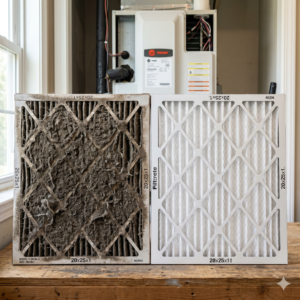
- Clogged filters reducing airflow
- Dirty coils affecting cooling performance
- Damper malfunction
- Fan imbalance or failure
These issues can reduce efficiency and affect air quality if not addressed.
Maintenance Importance for FAHU Performance
Regular maintenance ensures that FAHU systems continue to operate efficiently.
Key maintenance tasks include:
- Filter replacement
- Coil cleaning
- Fan inspection
- Damper calibration
Proper maintenance prevents system failure and ensures consistent indoor air quality.
If your building relies on fresh air systems, it is important to ensure they are functioning correctly. Poor airflow, clogged filters, or inefficient cooling coils can reduce air quality, increase humidity, and lead to higher energy consumption. Over time, this can impact both occupant comfort and system performance. Addressing these issues early helps maintain a healthy indoor environment and prevents more complex problems. If you need guidance on system condition or airflow performance, you can use the WhatsApp or Call button on the top right to connect with the Bio On Air team and understand the most suitable next step.
Conclusion
The fresh air handling unit working principle involves a structured process of filtration, cooling, dehumidification, and controlled airflow delivery. In UAE conditions, FAHU systems play a critical role in maintaining indoor air quality, energy efficiency, and overall comfort in modern buildings.