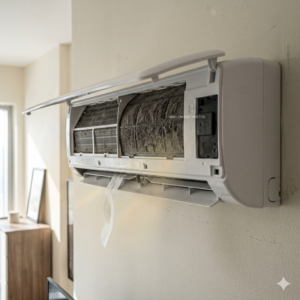





An fcu ac unit is one of the most common cooling systems used in UAE apartments, especially in buildings connected to district cooling. Many residents misunderstand how it works, often thinking it uses refrigerant like a normal AC. In reality, FCU systems operate very differently—and understanding this can help you avoid costly mistakes.
Table of Contents
ToggleWhat Is an FCU AC Unit in UAE Buildings
An FCU (Fan Coil Unit) is an indoor cooling system that uses chilled water instead of refrigerant gas to cool your space. It is widely used in apartments, hotels, and commercial buildings across Dubai, Abu Dhabi, and other Emirates.
Unlike split AC systems, an FCU does not generate cooling on its own. Instead, it relies on a centralized cooling provider that supplies chilled water to the building.
In the UAE, these providers typically include:
- Empower
- Emicool
- Tabreed
These companies operate large cooling plants that produce chilled water and distribute it to multiple buildings through underground pipelines.
How FCU AC Units Work in District Cooling Systems
To understand an FCU, imagine it as a heat exchanger inside your apartment.
The process works like this:
- Chilled water (typically around 6–8°C) flows from the district cooling plant into your apartment
- The water passes through a cooling coil inside the FCU
- A fan blows warm room air across the cold coil
- The air cools down and is circulated back into the room
- The water absorbs heat and returns to the plant to be cooled again
This means there is no refrigerant gas inside your apartment unit, which is a key difference from traditional AC systems.
Why Many People Misunderstand FCU Systems
One of the most common misconceptions in UAE apartments is the idea of “AC gas refill” for FCU units.
This is incorrect because:
- FCUs do not contain refrigerant gas
- Cooling comes from chilled water, not gas compression
- There is no compressor inside the unit
If someone suggests topping up gas in an FCU system, it is usually a sign of incorrect diagnosis or misunderstanding.
Main Components Inside an FCU AC Unit
Understanding the internal parts helps you recognize issues more clearly.
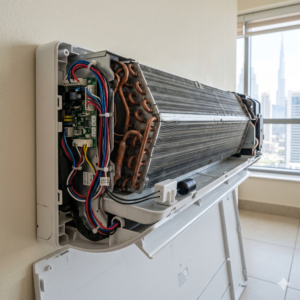
1. Cooling Coil
This is where chilled water flows. The coil absorbs heat from the air passing over it.
2. Blower Motor and Fan
The fan pulls warm air from the room and pushes it through the cooling coil.
3. Actuator Valve
This valve controls the flow of chilled water into the unit. It opens or closes based on your thermostat settings.
4. Y-Strainer
This small but important component filters debris from the water line. If it becomes clogged, water flow is reduced.
5. Condensate Drain Line
As the air cools, moisture forms and needs to drain out through this pipe.
Common FCU Problems in UAE Apartments
Ceiling Water Leaks
This is one of the most frequent issues. Water leaks usually come from:
- Clogged condensate drain lines
- Improper slope in drainage pipes
- Dirt buildup inside the drain pan
In high-rise apartments, this can also affect neighbors below, making it a serious issue.
Weak Cooling or No Cooling
If your FCU is running but not cooling properly, possible causes include:
- Stuck actuator valve (not allowing chilled water flow)
- Blocked Y-strainer restricting water
- Dirty cooling coil reducing heat exchange
These issues are often misdiagnosed as “low gas,” which is incorrect for FCU systems.
High District Cooling Bills
If your cooling bill is increasing but performance is decreasing, the issue may be internal inefficiency.
Common causes:
- Dirty coils requiring more airflow to cool
- Restricted water flow
- Fan running longer due to poor cooling efficiency
This leads to longer system operation and higher energy consumption.
How Dirty FCU Components Affect Performance
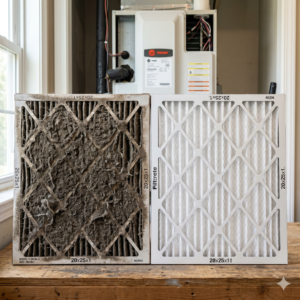
Dust and dirt buildup inside an FCU can significantly reduce efficiency.
When the coil becomes dirty:
- Heat transfer is reduced
- Cooling becomes slower
- The system runs longer to achieve the same temperature
This not only affects comfort but also increases your cooling costs.
What Proper FCU Maintenance Should Include
Proper maintenance is essential for FCU performance in UAE conditions.
A complete service should include:
- Cleaning of cooling coil
- Inspection and cleaning of drain line
- Checking actuator valve functionality
- Cleaning Y-strainer
- Fan and blower inspection
Surface cleaning alone is not enough. Internal components must be checked and maintained regularly.
In many cases, proper cleaning overlaps with processes similar to AC deep cleaning, especially when contamination is severe.
Red Flags of Incorrect FCU Servicing
Many residents receive incorrect advice due to lack of understanding of FCU systems.
Warning signs include:
- Recommendation for gas refill (not applicable)
- No inspection of actuator or strainer
- Only cleaning visible parts
- No check of drainage system
These approaches do not solve the real problem and often lead to recurring issues.
DIY vs Professional Servicing in FCU Systems
Some basic maintenance can be done yourself, but there are clear limits.
What You Can Do
- Keep vents clean
- Monitor unusual sounds or smells
- Check for visible leaks
What Requires Professionals
- Internal coil cleaning
- Drain line flushing
- Valve and water flow checks
- System performance diagnosis
In high-rise UAE apartments, improper handling can cause leaks or system damage affecting multiple units.
Why FCU Systems Need Regular Attention in UAE
Due to humidity and constant usage, FCUs in the UAE operate under heavy load conditions.
Without maintenance:
- Dust accumulates quickly
- Drain lines clog faster
- Cooling efficiency drops
This makes regular servicing essential for maintaining performance and preventing damage.
Long-Term Benefits of Proper FCU Maintenance
- Stable cooling performance
- Lower district cooling bills
- Reduced risk of leaks
- Longer equipment lifespan
Maintenance is not just about fixing problems—it prevents them.
If you are experiencing weak cooling, water leaks, or rising cooling bills, it is important not to ignore these signs. FCU-related issues can quietly worsen over time, affecting both comfort and system performance. In some cases, unresolved problems can lead to water damage or increased costs. Addressing them early helps maintain efficiency and indoor comfort. If you need clarity about your FCU condition or service requirements, you can use the WhatsApp or Call button on the top right to connect with the Bio On Air team and understand the most suitable next step.
Conclusion
An fcu ac unit works differently from traditional AC systems, relying on chilled water instead of refrigerant. Understanding how it functions, common issues, and proper maintenance helps you avoid misdiagnosis, reduce costs, and maintain a comfortable indoor environment in UAE conditions.