




The drainage installation guide in the UAE is not just about laying pipes—it involves strict regulatory compliance, proper material selection, and adapting to harsh environmental conditions such as extreme heat, sandy soil, and high groundwater levels. This guide explains UAE-specific drainage requirements, approvals, installation standards, and inspection processes to help you plan correctly and avoid costly mistakes.
Table of Contents
ToggleUnderstanding Drainage Installation Requirements in UAE
Drainage systems in the UAE must comply with both international standards and local authority regulations. The most commonly referenced frameworks include BS EN 752 for drainage system design and local regulations such as Dubai Municipality guidelines (V2 drainage standards) and Abu Dhabi QCC requirements.
These standards ensure that drainage systems:
- Operate safely under extreme climate conditions
- Prevent contamination and waterlogging
- Maintain long-term durability
- Support sustainable water management practices
Unlike general installations, UAE drainage systems must also account for flash flooding risks and urban infrastructure integration.
NOC Procedures and Authority Approvals
Before starting any drainage installation, obtaining a No Objection Certificate (NOC) is mandatory. This applies to both residential and commercial projects.
Authorities typically involved:
- Dubai Municipality (DM)
- Dubai Development Authority (DDA)
- Abu Dhabi Department of Municipalities and Transport
- QCC (Quality and Conformity Council)
The NOC process ensures that your drainage system does not interfere with existing utilities and meets planning regulations.
Documents Required for NOC
- Drainage layout drawings
- Hydrology and hydraulic calculations
- Soil investigation report
- Connection details to main drainage network
- Method statement for installation
Without proper documentation, approvals can be delayed or rejected.
Hydrology Calculations and Drainage Design
Hydrology calculations are essential in determining how water will flow across your site. These calculations help engineers design systems that can handle rainfall intensity and prevent flooding.
Typical parameters include:
- Rainfall intensity (UAE-specific data)
- Catchment area size
- Runoff coefficients
- Flow rate calculations
Proper calculations ensure that pipe sizes, slopes, and drainage capacity are correctly designed.
Material Specifications for UAE Conditions
Material selection is critical due to extreme temperatures and saline soil conditions in the UAE.
Common Approved Materials
- UPVC pipes (resistant to corrosion and heat)
- HDPE pipes (flexible and durable under ground movement)
These materials must meet international standards and local authority approvals.
Why Material Matters
Low-quality materials can fail due to:
- Thermal expansion from heat
- Corrosion from saline soil
- Pressure from soil movement
Using approved materials ensures long-term system reliability.
Geotextile Requirements for Sand Control
In sandy environments, geotextile layers are used to prevent fine particles from entering the drainage system.
Functions of geotextile:
- Filtration of soil particles
- Separation of layers
- Protection of drainage pipes
This is especially important in desert regions where sand migration is common.
Trenching in High Water Table Areas
Many areas in the UAE have high groundwater levels, especially near coastal zones. This creates challenges during trench excavation.
Dewatering Requirements
- Use of pumps to remove groundwater
- Temporary drainage channels
- Monitoring water levels during excavation
Sediment Control
- Silt fences
- Sediment traps
- Controlled discharge systems
These measures prevent environmental contamination and ensure safe installation conditions.
Mandatory Sand Traps and Oil Interceptors
Drainage systems in the UAE often require additional components to manage pollutants.
Sand Traps
- Capture sand and debris before entering pipes
- Prevent blockage and sediment buildup
Oil Interceptors
- Separate oil and grease from wastewater
- Mandatory in commercial and industrial facilities
These components are essential for environmental compliance.
Bedding and Backfill Specifications
Proper bedding ensures that pipes are supported evenly and protected from damage.
Bedding Layer
- Sand or granular material
- Uniform thickness under pipes
Backfill Requirements
- Layered compaction
- Controlled moisture content
- Avoidance of large stones or debris
Incorrect backfilling can cause pipe deformation or failure.
Stormwater Attenuation and On-Site Detention
Modern UAE drainage systems require stormwater management to prevent flooding.
On-Site Detention Systems
These systems temporarily store rainwater before releasing it slowly.
| System Type | Advantages | Limitations |
|---|---|---|
| Concrete Tanks | High strength and durability | Heavy and space-consuming |
| Geocellular Tanks | Lightweight and modular | Requires proper installation |
Geocellular systems are increasingly used due to flexibility and ease of installation.
AC Condensate Drainage Compliance
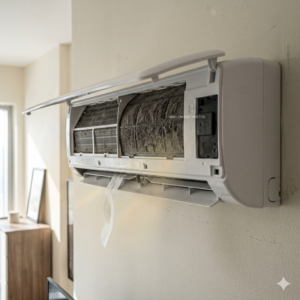
AC condensate drainage must comply with Dubai Local Order No. 8 of 2002.
Key Requirements
- Proper drainage connection to approved systems
- Use of traps to prevent odor
- Trap primers to maintain water seal
This ensures that AC drainage does not cause hygiene or structural issues.
Final Inspection and Testing Procedures
After installation, drainage systems must be tested before approval.
Gravity Leak Testing
- Water is introduced into the system
- Pressure and leakage are monitored
Performance Standards
- No visible leakage
- Stable flow performance
- Proper slope and alignment
Failure to meet these standards requires rework before approval.
Common Installation Mistakes in UAE
- Ignoring groundwater conditions
- Using non-approved materials
- Improper slope design
- Skipping sand traps or interceptors
These mistakes can lead to system failure and regulatory issues.
Why Proper Planning Matters
Drainage installation in the UAE is not just technical—it is regulatory and environmental. Proper planning ensures compliance, reduces long-term maintenance, and prevents costly repairs.
If you are planning drainage installation or facing issues with existing systems, addressing it early is critical. Poor drainage can lead to water accumulation, structural damage, and hygiene concerns, especially when combined with AC systems and indoor air quality challenges. With the right approach, these risks can be minimized effectively. If you need guidance on system planning or integration with HVAC-related drainage, you can use the WhatsApp or Call button on the top right to connect with the Bio On Air team and understand the most suitable next step.
Conclusion
The drainage installation guide for UAE projects requires careful attention to regulations, materials, and environmental conditions. By following proper standards and planning correctly, you can ensure a reliable, compliant, and long-lasting drainage system.