




Many people ask does fresh air help you sleep, especially in places like the UAE where bedrooms are fully air-conditioned and sealed. The short answer is yes—fresh air plays a major role in sleep quality. But in hot climates, the solution is not simply opening a window. This guide explains what really affects your sleep and how to fix it properly.
Table of Contents
ToggleDoes Fresh Air Really Improve Sleep Quality
Fresh air improves sleep because it directly affects the air you breathe throughout the night. When you sleep, your body depends on stable oxygen levels and low carbon dioxide (CO₂) concentration to maintain deep and uninterrupted rest.
In a well-ventilated environment, your body can:
- Maintain steady breathing patterns
- Stay in deeper sleep stages longer
- Wake up feeling more refreshed
However, “fresh air” does not simply mean cooler air. It means air that is regularly replaced, clean, and balanced in oxygen and CO₂ levels.
Why Opening Windows Is Not Practical in UAE
In many countries, fresh air means opening windows at night. But in the UAE, this is not a practical or safe solution.
Here’s why:
- Outdoor temperatures remain high, even at night
- Humidity levels can increase discomfort indoors
- Dust and sand particles can enter the room
- Air conditioning efficiency drops significantly
Opening windows may actually make sleep worse by increasing temperature and introducing unfiltered air.
What Really Happens Inside a Sealed Bedroom
Most UAE bedrooms are tightly sealed to maintain cooling efficiency. While this helps with temperature control, it creates a hidden problem: air stagnation.
When you sleep in a closed room:
- You continuously exhale CO₂
- Oxygen levels gradually decrease
- Air becomes stale over time
This is especially noticeable in smaller rooms or when multiple people are sleeping in the same space.
CO₂ Buildup and Its Impact on Sleep
Carbon dioxide buildup is one of the most overlooked factors affecting sleep quality.
During sleep:
- Your breathing becomes slower and deeper
- Your body becomes more sensitive to air quality
- High CO₂ levels can disrupt sleep cycles
Even if you don’t wake up fully, your sleep can become lighter and less restorative.
Recommended CO₂ Levels for Healthy Sleep
Indoor CO₂ levels are measured in parts per million (ppm).
| CO₂ Level | Condition |
|---|---|
| 400–800 ppm | Excellent air quality |
| 800–1,000 ppm | Acceptable |
| 1,000–1,500 ppm | May affect sleep quality |
| 1,500+ ppm | Likely to cause fatigue and poor sleep |
In sealed bedrooms, CO₂ levels can easily exceed 1,500 ppm overnight without proper ventilation.
How High CO₂ Affects Your Body During Sleep
When CO₂ levels rise, your body responds in subtle ways:
- Increased heart rate
- Shallow breathing
- Reduced deep sleep (slow-wave sleep)
- Frequent micro-awakenings
These effects may not fully wake you up, but they reduce sleep quality significantly.
This is why you may wake up feeling tired even after 7–8 hours of sleep.
Next-Day Effects of Poor Air Quality
Sleeping in stale air does not just affect your night—it impacts your entire day.
- Morning headaches
- Brain fog
- Low energy levels
- Reduced concentration
Many people assume these symptoms are due to stress or lack of sleep, but indoor air quality is often a hidden factor.
Common Myths About Fresh Air and Sleep
Myth 1: Opening Windows Always Helps
In the UAE, opening windows introduces heat, humidity, and dust, which can worsen sleep conditions.
Myth 2: Air Conditioners Provide Fresh Air
AC systems recirculate indoor air. They cool the air but do not replace it with fresh oxygen.
Myth 3: Air Purifiers Add Oxygen
Air purifiers remove particles but do not reduce CO₂ levels or add fresh air.
Myth 4: Plants Can Replace Ventilation
Plants produce minimal oxygen at night and cannot compensate for CO₂ buildup in enclosed spaces.
Real Solutions for Fresh Air in UAE Bedrooms
1. Improve Air Circulation
Keeping internal doors slightly open allows air to move between rooms, reducing stagnation.
2. Use Mechanical Ventilation Systems
Systems like ERVs (Energy Recovery Ventilators) bring in fresh air while maintaining indoor temperature.
3. Check Building Ventilation Design
Some high-rise apartments include centralized fresh air systems, but they may not always function optimally.
4. Maintain Your AC System Properly
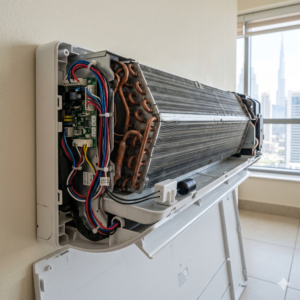
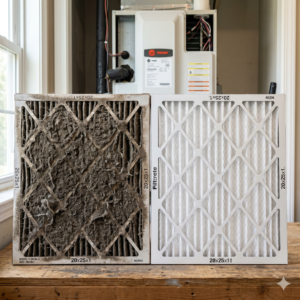
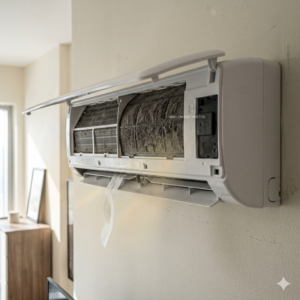
Dirty filters and ducts reduce airflow and worsen air quality. Regular cleaning helps maintain proper circulation. Understanding how AC duct cleaning supports airflow can make a noticeable difference in indoor air quality.
Ideal Sleep Environment in UAE Conditions
| Factor | Recommended Range |
|---|---|
| Temperature | 22–24°C |
| Humidity | 40–60% |
| CO₂ Level | Below 1,000 ppm |
| Airflow | Consistent and balanced |
Achieving this balance is key to improving sleep quality in air-conditioned environments.
Why Airflow Matters More Than You Think
Airflow ensures that air does not become stagnant. Even if temperature is perfect, poor airflow can trap CO₂ and reduce oxygen availability.
This is why many sleep issues are not temperature-related, but airflow-related.
Signs Your Bedroom Air Quality Is Affecting Sleep
- You wake up feeling tired despite enough sleep
- You experience morning headaches
- The room feels stuffy at night
- You notice a slight “heavy air” feeling
These are early indicators of poor ventilation.
Long-Term Impact of Poor Air Quality
Over time, poor indoor air quality can affect overall health:
- Chronic fatigue
- Respiratory irritation
- Reduced sleep efficiency
Addressing air quality early helps prevent these long-term effects.
Think Beyond Just Cooling
In the UAE, most people focus on cooling performance. However, cooling alone is not enough for healthy living.
Air quality, airflow, and ventilation are equally important for comfort and well-being.
If you are noticing poor sleep quality, morning fatigue, or a stuffy bedroom environment, it may be time to look beyond temperature settings. Air circulation, duct condition, and overall indoor air quality can play a major role in how well you sleep and recover each night. When these factors are not addressed, they can lead to ongoing discomfort, increased energy usage, and hidden system strain. Taking action early helps maintain both your health and your AC system performance. If you need clarity about your indoor air condition, you can use the WhatsApp or Call button on the top right to connect with the Bio On Air team and understand the most suitable next step.
Conclusion
So, does fresh air help you sleep? Yes—but in the UAE, it requires the right approach. Instead of opening windows, improving airflow, ventilation, and indoor air quality is the key to better sleep and overall comfort.