




Cooling system cleaning is not just a maintenance task in the UAE—it is a critical process for protecting indoor air quality, system efficiency, and long-term AC performance. In a region where dust, humidity, and constant cooling create ideal conditions for contamination, understanding how cleaning works and why it matters helps you make better decisions.
Table of Contents
ToggleWhy Cooling Systems in UAE Get Contaminated So Quickly
At first glance, the UAE seems like a dry desert environment. However, inside homes and buildings, the situation is completely different. Air conditioning runs almost continuously, creating cold surfaces inside coils, ducts, and vents. When warm, humid air comes into contact with these cold surfaces, condensation forms.
This moisture combines with fine desert dust particles that enter through ventilation or everyday activities. Over time, this creates a perfect environment for biological contamination inside the system.
Common causes include:
- Fine desert dust entering duct systems
- Constant condensation inside coils and ducts
- Limited ventilation in sealed indoor spaces
- Continuous AC operation with minimal downtime
This combination allows bacteria, mold, and organic buildup to develop inside the cooling system without being immediately visible.
What Builds Up Inside Cooling Systems
Most people assume cooling systems only collect dust. In reality, internal contamination is more complex.
Inside a neglected system, you may find:
- Dust layers mixed with moisture
- Biofilm (a sticky layer of bacteria)
- Mold growth on coils and ducts
- Debris accumulation in drain pans
This buildup affects not only performance but also the quality of air circulating in your space.
Health Risks Linked to Dirty Cooling Systems
Contaminated cooling systems can directly impact indoor air quality. Since AC systems continuously circulate air, any contamination inside the system is redistributed throughout the space.
Possible health effects include:
- Allergic reactions and sneezing
- Respiratory irritation
- Persistent musty odors
- Worsening asthma symptoms
These effects may not always be obvious immediately, but they build up over time with continuous exposure.
Impact on Airflow and Energy Efficiency
Contamination does not only affect health—it also reduces system efficiency.
When dust and biological buildup accumulate:
- Airflow becomes restricted
- Cooling becomes uneven
- The system works harder to maintain temperature
- Electricity consumption increases
This means higher bills and increased wear on AC components.
Professional Cooling System Cleaning Process Explained
Proper cooling system cleaning is a multi-stage process. It is not a simple wipe-down or filter cleaning.
1. System Inspection and Assessment
The process starts with a detailed inspection of the entire system, including ducts, coils, blowers, and drain lines.
2. Containment with Negative Air Pressure
To prevent contaminants from spreading during cleaning, the system is isolated using negative air pressure equipment. This ensures dust and particles are safely extracted.
3. Duct Agitation and Extraction
Specialized tools are used to loosen debris inside ducts. High-powered vacuum systems then remove the contaminants.
4. Coil-Safe Foaming Treatment
Evaporator coils are treated with a safe foaming cleaner that removes buildup without damaging sensitive components.
5. Blower Motor Cleaning and Removal
The blower motor is often removed and cleaned separately to ensure proper airflow and eliminate hidden dirt.
6. Drain Line Flushing
Drain lines are flushed to remove blockages and prevent water buildup, which can lead to mold growth.
This type of deep cooling system cleaning process ensures that every part of the airflow system is addressed properly.
Differences Between System Types
FCU Systems in High-Rise Apartments
Fan Coil Units (FCUs) are common in apartments. These systems often accumulate moisture and dust quickly due to limited ventilation.
VRF or VRV Systems in Villas
These systems are more complex and require careful handling during cleaning. Multiple indoor units and longer duct paths increase contamination risk.
Chilled Water Systems in Commercial Properties
Large commercial systems involve extensive duct networks and centralized cooling, requiring specialized equipment and longer cleaning processes.
Safe Sanitization Methods Used in Cleaning
Cleaning alone is not enough. Sanitization is required to eliminate bacteria and mold.
Common safe options include:
- Low-VOC chemical sanitizers
- Natural biosanitizers
- Fogging methods for full coverage
These methods are designed to be effective while remaining safe for indoor environments.
How Professionals Prove Cleaning Effectiveness
A proper service should provide measurable proof of results.
This may include:
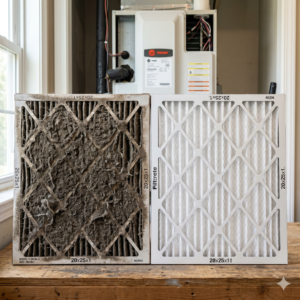
- Before-and-after photo documentation
- Airflow improvement measurements
- ATP testing (biological contamination levels)
These indicators confirm that the cleaning has made a real difference.
Signs Your Cooling System Needs Cleaning
- Persistent musty smell when AC runs
- Dust accumulating quickly indoors
- Weak airflow from vents
- Increased allergy symptoms
These signs often indicate internal contamination that requires professional attention.
Why DIY Cleaning Is Not Enough
Basic cleaning methods only address surface-level dirt. Internal contamination requires specialized tools and controlled processes.
DIY limitations include:
- Inability to access internal ducts
- Risk of spreading contaminants
- No proper sanitization
Professional cleaning ensures complete system treatment.
Long-Term Benefits of Proper Cooling System Cleaning
- Improved air quality
- Lower energy consumption
- Better cooling performance
- Reduced system wear
These benefits make cleaning a long-term investment rather than a one-time expense.
How Often Should Cooling Systems Be Cleaned in UAE
Due to environmental conditions, cooling systems in the UAE should be professionally cleaned every 1–2 years. High-usage environments may require more frequent servicing.
If you are noticing early signs of contamination or reduced performance, it is important to address the issue before it escalates. Biological buildup, airflow restriction, and hidden moisture can affect both air quality and system efficiency over time. Taking action early helps prevent larger problems and maintains a healthier indoor environment. If you need clarity on your system condition, you can use the WhatsApp or Call button on the top right to connect with the Bio On Air team and understand the most suitable next step.
Conclusion
Cooling system cleaning in the UAE is essential due to the combination of dust, humidity, and constant AC usage. A proper multi-stage cleaning process improves air quality, system efficiency, and long-term performance, making it a critical part of maintaining a healthy indoor environment.