




If you are hearing an ac whistling noise in your home, it is usually not a minor issue. In most cases, that high-pitched sound is caused by airflow restriction or pressure imbalance inside your AC system. In UAE conditions, this can quickly lead to performance problems, higher energy use, and even internal damage if ignored.
Table of Contents
ToggleWhat an AC Whistling Noise Really Means
A whistling sound in an AC system is typically caused by air being forced through a narrow or restricted pathway. This creates a high-speed airflow that produces a sharp, high-pitched noise—similar to air escaping from a small gap.
In technical terms, this is often linked to:
- High static pressure inside the duct system
- Airflow starvation (not enough air returning to the system)
- Imbalance between supply and return airflow
Think of it like trying to breathe through a blocked straw. The harder the system tries to pull or push air, the louder the sound becomes.
High Static Pressure and Airflow Starvation Explained
High static pressure occurs when the AC system cannot move air freely. This usually happens when airflow is restricted somewhere in the system.
Airflow starvation happens when the system is not receiving enough return air, forcing it to work harder to maintain cooling.
Common causes include:
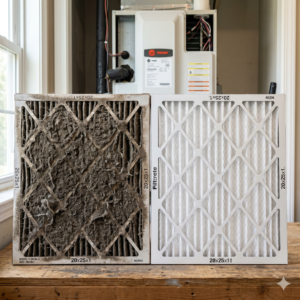
- Clogged or dirty air filters
- Closed or blocked vents
- Undersized return ducts
- Furniture blocking return air pathways
- Duct leaks reducing airflow efficiency
When these issues combine, the system creates pressure differences that result in a whistling sound.
Why AC Whistling Noise Is More Common in UAE Homes
UAE homes face unique environmental conditions that increase the risk of airflow problems.
1. Sand and Dust Clogging Filters
Fine desert dust accumulates quickly in AC filters. Even within weeks, filters can become partially blocked, restricting airflow and increasing pressure inside the system.
2. Closed Vents in Villas
Many homeowners close vents in unused rooms to “save cooling.” This actually increases pressure in the system and forces air through fewer openings, creating whistling sounds.
3. Drop Ceiling Duct Leaks in Apartments
In many UAE apartments, ducts run above false ceilings. Small leaks in these ducts can create high-speed air escape points, producing a whistle.
4. Restricted Return Airflow
Return vents are often blocked by furniture, curtains, or interior design elements. This limits airflow back into the system, causing imbalance.
These UAE-specific conditions make airflow issues more common than mechanical failures.
Immediate Risks of Ignoring AC Whistling Noise
A whistling sound is often an early warning sign. Ignoring it can lead to more serious problems.
1. Blower Motor Damage
When airflow is restricted, the blower motor has to work harder. Over time, this extra strain can lead to overheating and failure.
2. Frozen Evaporator Coil
Low airflow can cause the evaporator coil to freeze. When this happens:
- Cooling performance drops
- Ice forms inside the system
- Water leakage occurs when the ice melts
3. Increased Energy Consumption
The system runs longer to compensate for poor airflow, increasing electricity bills.
4. Reduced Indoor Air Quality
Restricted airflow can lead to poor circulation, allowing dust and contaminants to remain inside the system.
AC Whistling vs Mechanical Screech Noise
It is important to distinguish between airflow-related noise and mechanical issues.
| Noise Type | Cause | Sound Character |
|---|---|---|
| Whistling | Airflow restriction / pressure | High-pitched, steady |
| Screeching | Mechanical failure (motor, belt) | Sharp, harsh, irregular |
If the sound is smooth and consistent, it is usually airflow-related. If it is harsh or irregular, it may be mechanical.
Quick DIY Checks You Can Do Immediately
Before calling a technician, there are simple checks you can safely perform.
1. Remove and Inspect the Air Filter
A clogged filter is one of the most common causes of airflow restriction.
- If the filter is dirty, clean or replace it
- Run the AC briefly without the filter to see if the noise reduces
2. Open All Vents
Ensure that all supply vents are open. Closing vents increases pressure inside the system.
3. Check Return Air Pathways
Make sure return vents are not blocked by:
- Sofas or furniture
- Curtains
- Cabinets or partitions
4. Open Doors Between Rooms
Air needs a return path. Keeping doors closed can restrict airflow in certain areas.
5. Listen to the Source of the Sound
Try to identify where the whistling is coming from:
- Vent opening
- Duct area above ceiling
- AC unit itself
This can help determine whether the issue is localized or system-wide.
Common Airflow Obstructions in Homes
Many airflow issues are caused by everyday household setups.
- Furniture placed in front of return vents
- Decorative panels blocking airflow
- Dust accumulation inside ducts
- Improperly installed filters
- Collapsed or damaged duct sections
Even small obstructions can create pressure imbalance.
When DIY Is Not Enough
Some problems require professional inspection and cannot be solved with simple adjustments.
1. Duct Leaks
Leaks inside ducts can create high-speed air escape points, producing a whistle.
2. Blower Wheel Contamination
If the blower wheel is dirty, airflow efficiency drops, increasing pressure.
3. Improperly Sized AC System
If the system is too powerful for the duct design, it can create constant pressure imbalance.
4. Internal System Blockage
Debris or buildup inside ducts can restrict airflow.
These issues require proper inspection and tools to resolve.
How Professional Diagnosis Solves the Problem
A proper inspection will typically include:
- Airflow measurement
- Static pressure testing
- Duct inspection for leaks or damage
- Blower and coil condition check
In many cases, airflow issues are resolved through a combination of cleaning, adjustment, and repair. This is why understanding how AC repair is properly handled helps avoid temporary fixes.
Preventing AC Whistling Noise in the Future
Prevention is always easier than repair.
- Clean or replace filters regularly
- Keep vents open and unobstructed
- Avoid blocking return air pathways
- Schedule periodic AC maintenance
These simple steps can significantly reduce airflow issues.
Why This Problem Should Not Be Ignored
A whistling sound may seem small, but it is often an early warning of system imbalance. Over time, this can lead to higher energy bills, reduced comfort, and internal damage.
Addressing the issue early helps maintain both performance and air quality.
If you are currently hearing an AC whistling noise, it is important not to ignore it. What may seem like a small sound can indicate airflow restriction, internal pressure imbalance, or hidden duct issues. Over time, this can lead to blower motor strain, frozen coils, reduced cooling efficiency, and higher electricity consumption. In UAE conditions, where AC systems run continuously, these risks can escalate quickly. Taking action early helps prevent more serious damage and costly repairs. If you need clarity about what is causing the noise in your system, you can use the WhatsApp or Call button on the top right to connect with the Bio On Air team and understand the most suitable next step based on your AC condition.
Conclusion
An ac whistling noise is usually a sign of airflow restriction or pressure imbalance. By understanding the causes, performing basic checks, and addressing issues early, you can maintain efficient cooling, reduce system stress, and ensure a more comfortable indoor environment.