




An ac whining noise is often one of the first warning signs that something inside your system is not working correctly. In the UAE, where AC systems run for long hours under extreme heat, even a small unusual sound can quickly develop into a serious issue if ignored. This guide helps you identify the type of noise, understand the cause, and take the right action before it becomes expensive.
Table of Contents
ToggleFirst Step Always Identify Car AC vs Home AC Noise
When people search “ac whining noise,” there is often confusion between car AC and home AC systems. The source and meaning of the noise can be very different.
| Type | Where It Comes From | Common Cause |
|---|---|---|
| Car AC | Engine bay | Belt, compressor load, refrigerant pressure |
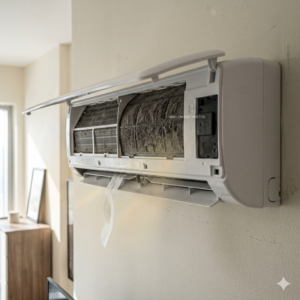
| Home AC | Indoor unit or outdoor unit | Airflow restriction or mechanical wear |
If the sound comes from your home AC system, continue reading. The focus here is on residential and commercial HVAC systems commonly used in the UAE.
Airflow Whistle vs Mechanical Whining Sound
Not all whining sounds are the same. Identifying the type of sound is the most important step before taking action.
Airflow Whistle Sound
- High-pitched but soft
- Usually consistent when AC is running
- Often comes from vents or ducts
This type of sound is usually related to airflow problems.
Mechanical Whining Sound
- Sharp, metallic, or vibrating tone
- May increase with AC load
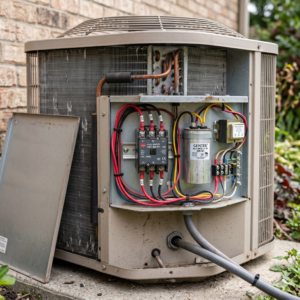
- Often comes from outdoor unit or blower motor
This type of noise often indicates internal component stress or damage.
Common Airflow-Related Causes of AC Whining Noise
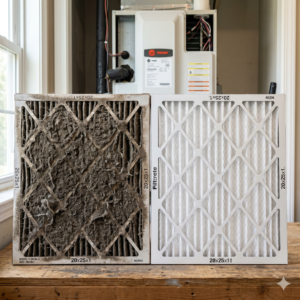
1. Dirty or Clogged Air Filters
One of the most common causes of a whining or whistling sound is restricted airflow due to dirty filters.
When filters are clogged:
- Air struggles to pass through
- Pressure builds up inside the system
- A high-pitched sound is created
In the UAE, dust buildup happens faster than in many other regions, making this a frequent issue.
2. Blocked or Dirty Air Ducts
Dust and debris inside ducts can narrow airflow paths. This creates turbulence, which results in a whistling or whining noise.
Over time, this also affects indoor air quality and cooling efficiency.
3. Closed or Obstructed Vents
Closing too many vents increases internal pressure. This forces air through smaller openings, creating a noticeable whine.
4. Air Leaks in Duct System
Small gaps or leaks in ducts can create a whistling noise as air escapes under pressure.
This is often mistaken for a mechanical issue.
Mechanical Causes of AC Whining Noise
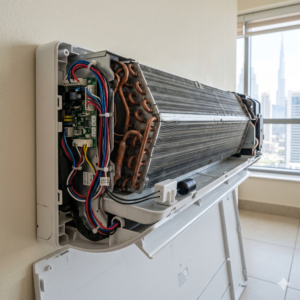
1. Blower Motor Bearing Wear
The blower motor circulates air through the system. Over time, its bearings can wear out, especially under heavy UAE usage.
Signs:
- Continuous whining sound
- Sound increases over time
- Reduced airflow
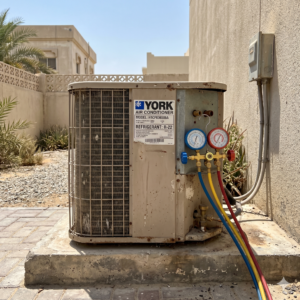
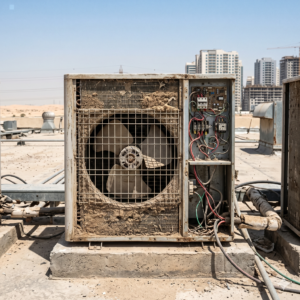
2. Condenser Fan Motor Issues
The outdoor unit contains a fan that releases heat. If the motor starts failing, it can produce a high-pitched noise.
This is common in systems exposed to extreme heat and dust.
3. Compressor Pressure Problems
The compressor is the heart of your AC system. If it operates under excessive pressure, it may produce a whining or buzzing sound.
This can happen due to:
- Low refrigerant
- Overcharged system
- Blocked airflow
4. Loose or Misaligned Components
Loose parts can vibrate under operation, creating unusual sounds that may resemble whining.
UAE-Specific Causes You Should Not Ignore
AC systems in the UAE face unique environmental stress:
- High dust levels clog filters quickly
- Extreme heat increases system pressure
- Long running hours cause faster wear
This combination makes whining noises more common and more urgent compared to other regions.
Risks of Ignoring AC Whining Noise
Ignoring unusual sounds can lead to serious consequences:
- Motor burnout
- Compressor failure
- Increased electricity consumption
- Poor indoor air quality
What starts as a small airflow issue can develop into major mechanical damage if not addressed early.
Safe DIY Checks You Can Perform
You can perform a few basic checks safely before calling a technician.
Check Air Filters
Remove and inspect filters. If they are dirty, clean or replace them.
Inspect Vents
Make sure vents are open and not blocked by furniture.
Listen Carefully
Try to identify whether the sound comes from indoor or outdoor unit.
Check Airflow Strength
If airflow is weak, it may indicate blockage or fan issues.
If the noise continues after these checks, further inspection is needed.
Warning Signs That Require Immediate Shutdown
In some cases, continuing to run the AC can cause severe damage.
- Loud metallic whining
- Burning smell
- Sudden drop in cooling performance
- AC shutting off repeatedly
If you notice these signs, it is safer to turn off the system immediately.
Common Misdiagnosis and Upsell Practices
Some issues are often misdiagnosed, leading to unnecessary costs.
Common Examples
- Replacing compressor when issue is airflow-related
- Suggesting full system replacement unnecessarily
- Ignoring duct problems and focusing only on parts
Understanding the difference between airflow and mechanical issues helps you avoid these situations.
When the Problem Is Not Repair Alone
Sometimes, whining noise is not caused by a broken part but by system condition.
This may require:
- Deep cleaning
- Duct cleaning
- Airflow balancing
In such cases, proper AC repair inspection should evaluate the full system, not just one component.
Long-Term Prevention in UAE Conditions
Preventing AC whining noise is easier than fixing it later.
- Clean filters regularly (every 2–4 weeks)
- Schedule periodic maintenance
- Keep outdoor unit clean and ventilated
- Avoid blocking vents
These simple steps reduce system stress and prevent noise-related issues.
Why Early Action Always Costs Less
AC systems rarely fail suddenly. Most problems develop gradually.
Addressing noise early can:
- Prevent major component failure
- Reduce repair costs
- Improve efficiency
If you are hearing a whining noise from your AC, it is important not to ignore it. Airflow issues, internal wear, or pressure imbalances can quickly develop into larger problems, affecting both cooling performance and indoor air quality. In UAE conditions, where AC systems operate under constant stress, early inspection helps prevent long-term damage and unnecessary expenses. If you need clarity on what the sound means and whether it requires immediate action, you can use the WhatsApp or Call button on the top right to connect with the Bio On Air team and understand the most suitable next step for your situation.
Conclusion
An ac whining noise is not something to ignore. By identifying whether the issue is airflow-related or mechanical, and taking action early, you can prevent serious damage, maintain efficient cooling, and ensure a comfortable indoor environment.