




If you are searching for ac vent noise reduction, it usually means your AC is no longer just cooling—it is disturbing your comfort. In UAE homes and offices, AC vent noise often comes from airflow imbalance, dust buildup, or duct issues. This guide helps you identify the sound, fix simple problems, and understand when deeper solutions are needed.
Table of Contents
ToggleUnderstand the Type of AC Vent Noise First
Before trying to fix anything, the most important step is identifying what kind of noise you are hearing. Different sounds point to different causes, and fixing the wrong thing can make the problem worse.
Whistling Sound
This is a high-pitched sound that usually happens when air is forced through a small or restricted opening.
- Partially closed vents
- Blocked filters
- Duct leakage or gaps
Rushing Air or Loud Airflow
This sounds like strong wind passing through the vent. It is common in UAE properties where AC systems run at high speed.
- High fan speed settings
- Undersized ducts
- High static pressure
Rattling or Vibrating Noise
This is usually a mechanical or structural issue.
- Loose vent covers
- Vibrating metal grilles
- Unsecured duct connections
Correctly identifying the sound helps you avoid unnecessary repairs.
Why AC Vent Noise Is Common in UAE Properties
AC vent noise is more common in the UAE compared to cooler regions due to environmental and usage factors.
- Continuous AC operation for most of the year
- High dust levels entering the system
- Strong cooling demand causing high airflow pressure
- Sealed indoor environments with limited ventilation
Over time, these conditions create airflow restrictions, pressure imbalance, and vibration issues inside the system.
Quick DIY Fixes for AC Vent Noise
Some AC vent noise issues can be fixed safely without professional tools. These are simple checks you can do immediately.
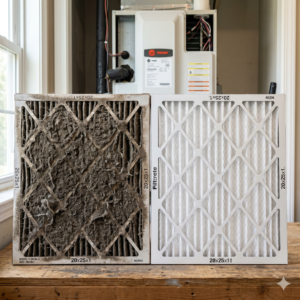
1. Clean or Replace Air Filters
Clogged filters are one of the most common causes of airflow noise. When air cannot pass freely, it creates pressure and turbulence.
- Remove and inspect the filter
- Wash reusable filters or replace disposable ones
- Ensure proper installation after cleaning
In dusty UAE conditions, filters should be checked every 2–4 weeks.
2. Check for Closed or Blocked Vents
Closing vents to redirect airflow may seem helpful, but it often increases pressure and creates noise.
- Open all vents fully
- Remove furniture blocking airflow
- Ensure curtains or carpets are not covering vents
This helps balance airflow across the system.
3. Tighten Loose Vent Covers
Rattling sounds are often caused by loose vent grilles.
- Check screws and mounting points
- Tighten gently without over-tightening
- Add thin rubber padding if needed
This reduces vibration noise significantly.
4. Add Foam or Padding for Vibration
If the vent is vibrating against the ceiling or wall, adding padding can help.
- Use foam strips or rubber lining
- Place between grille and surface
- Ensure secure but flexible contact
This absorbs vibration instead of amplifying it.
Common Causes of AC Vent Noise You Should Not Ignore
Airflow Restriction from Dust and Dirt
Dust buildup is one of the biggest contributors to AC noise in the UAE. It reduces airflow and forces the system to work harder.
This often requires deeper cleaning beyond filters, such as AC deep cleaning to remove internal buildup.
High Static Pressure in the System
Static pressure refers to resistance against airflow inside the duct system.
When pressure is too high:
- Air moves faster through small openings
- Noise increases significantly
- System efficiency drops
This is common in ducted split systems and FCU setups.
Excessive Fan Speed Settings
High fan speed increases airflow but also increases noise.
- Set fan speed to balanced mode
- Avoid maximum speed unless necessary
- Check thermostat settings
This helps reduce airflow turbulence.
Flexible Duct Problems That Cause Noise
Sagging Ducts
Flexible ducts should be properly supported. When they sag, airflow becomes uneven.
- Air pockets form inside ducts
- Noise increases due to turbulence
- Cooling efficiency drops
Kinked or Bent Ducts
Sharp bends restrict airflow and create pressure points.
- Whistling or rushing sound
- Uneven airflow distribution
- Increased system strain
These issues usually require professional adjustment.
Professional Solutions for AC Vent Noise Reduction
Duct Silencers
Duct silencers are installed inside the duct system to absorb sound.
- Reduce airflow noise
- Improve acoustic comfort
- Suitable for villas and offices
Acoustic Duct Lining
Acoustic lining reduces sound reflection inside ducts.
- Used in high-end properties
- Improves noise absorption
- Works well for large systems
System Balancing
Air balancing ensures equal airflow distribution.
- Reduces pressure imbalance
- Improves comfort
- Minimizes noise
Professional Duct Cleaning
Internal buildup increases noise and airflow resistance.
A proper AC duct cleaning service removes dust and restores airflow balance.
Warning: Do Not Block AC Vents
Some people try to reduce noise by blocking vents. This is dangerous.
- Causes coil freezing
- Leads to water leakage
- Can damage ceilings and walls
- Increases energy consumption
Blocking airflow always creates more problems than it solves.
How Noise Can Indicate Bigger AC Problems
AC vent noise is often an early warning sign.
- Airflow restriction may lead to system failure
- High pressure can damage internal components
- Dust buildup can affect indoor air quality
Ignoring noise can lead to more expensive repairs later.
Preventing AC Vent Noise in the Future
- Clean filters regularly
- Keep vents open and unobstructed
- Schedule periodic duct cleaning
- Ensure proper installation and support of ducts
Prevention is always easier than fixing advanced issues.
When You Should Call a Professional
You should consider professional help if:
- Noise continues after basic fixes
- Airflow feels weak or uneven
- There is a musty smell
- Noise is getting louder over time
If you are experiencing persistent AC vent noise, it is important to address it early. What starts as a simple sound issue can indicate airflow restriction, internal buildup, or pressure imbalance that may affect both comfort and system health. Ignoring it can lead to reduced air quality, higher energy usage, and potential damage such as coil freezing or water leakage. With the right approach, these issues can be resolved safely and effectively. If you need guidance on your specific situation, you can use the WhatsApp or Call button on the top right to connect with the Bio On Air team and understand the most suitable next step.
Conclusion
AC vent noise reduction is not just about comfort—it is about maintaining a balanced, efficient, and healthy AC system. By identifying the type of noise, applying simple fixes, and addressing deeper issues when needed, you can restore quiet operation and prevent long-term damage.