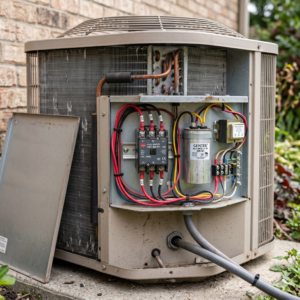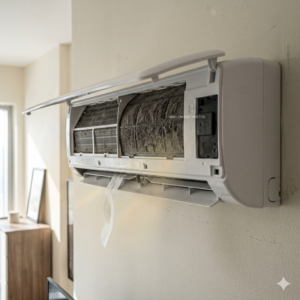





Understanding ac unit installation in the UAE is critical if you want reliable cooling, long-term efficiency, and no hidden costs. Installation is not just placing a unit on the wall—it involves approvals, correct sizing, proper materials, and climate-specific adjustments. This guide explains everything you need to know before installing an AC unit in Dubai and across the UAE.
Table of Contents
ToggleWhy AC Unit Installation in UAE Is More Complex Than You Think
In many countries, AC installation is straightforward. In the UAE, it is different due to extreme heat, high humidity, and strict building regulations. Poor installation is one of the main reasons AC systems fail early, consume more electricity, and struggle to cool properly.
Unlike repairs, installation decisions affect your system for years. A wrong choice today can lead to continuous problems, higher bills, and frequent breakdowns.
UAE-Specific Requirements Before AC Installation
NOC Approval for Villas and Communities
In many residential communities, especially villas, you may need a No Objection Certificate (NOC) before installing or replacing an AC unit.
- Required for external unit placement
- Required for duct modifications
- Managed by community or developer
Skipping this step can result in fines or forced removal.
High-Rise Building Restrictions
In apartments and towers, installation is often controlled by building management.
- Limited outdoor unit placement options
- Strict working hours
- Pre-approved contractor requirements
This can affect both cost and timeline.
Crane and Access Permit Costs
For higher floors or difficult access, additional logistics may be required.
- Crane lifting for outdoor units
- Temporary road permits
- Safety supervision requirements
These can add AED 500 – 2,000+ depending on complexity.
AC Sizing for UAE Climate Conditions
Choosing the correct AC size is one of the most important decisions.
In the UAE, AC systems must handle:
- Extreme outdoor heat (often above 40°C)
- Direct sunlight exposure
- High indoor usage hours
This means standard sizing from other countries may not apply.
Recommended AC Tonnage for UAE Rooms
| Room Size | Recommended Tonnage |
|---|---|
| 100 – 150 sq.ft | 1 Ton |
| 150 – 250 sq.ft | 1.5 Ton |
| 250 – 400 sq.ft | 2 Ton |
| 400+ sq.ft | 2.5 Ton or more |
In UAE conditions, slightly higher tonnage is often recommended due to heat load.
AC Unit Installation Cost Breakdown in UAE
The cost of AC installation depends on multiple components, not just the unit itself.
| Component | Estimated Cost (AED) |
|---|---|
| Basic Installation Labor | 300 – 800 |
| Copper Piping (per meter) | 80 – 150 |
| Electrical Work | 200 – 600 |
| Drainage Setup | 100 – 300 |
| Old Unit Removal | 100 – 300 |
Note: Prices are slightly below average market estimates and may vary depending on installation complexity and site conditions.
For a full installation, total cost may range between AED 800 – 3,500+ depending on setup.
Types of AC Systems and Where They Work Best
Split AC Systems
- Best for apartments and small villas
- Lower upfront cost
- Easier installation
Ducted AC Systems
- Suitable for larger homes
- Hidden duct network
- Better air distribution
Understanding AC installation and replacement options helps you choose the right system for your property.
VRF Systems
- Used in large villas and commercial spaces
- High efficiency
- Higher installation cost
Common Cheap Installation Traps
Low-Grade Copper Piping
Cheap installations often use thin or low-quality copper, leading to leaks and reduced cooling efficiency.
Poor Insulation
Without proper insulation, cooling loss increases and energy consumption rises.
Skipping Vacuum Pump Procedure
This is one of the most critical steps. Skipping it can trap moisture inside the system, leading to long-term damage.
Weak Mounting Brackets
Improper mounting can cause vibration, noise, or even safety risks.
Hidden Costs in AC Installation
Some quotes may appear affordable but exclude important elements.
- Extra piping charges
- Electrical upgrades
- Permit fees
- Additional labor costs
Always confirm what is included in the quote.
How to Evaluate Contractor Quotes
- Check if full installation scope is included
- Confirm material quality (copper, insulation)
- Ask about installation procedures (vacuum, testing)
- Ensure clear breakdown of costs
A transparent quote is always more reliable than a cheap but unclear one.
Installation Mistakes That Cause Long-Term Problems
- Incorrect AC sizing
- Poor airflow planning
- Improper drainage slope
- Weak electrical setup
These issues often lead to:
- High electricity bills
- Frequent breakdowns
- Poor cooling performance
Why Proper Installation Saves More Over Time
A well-installed AC system provides:
- Stable cooling performance
- Lower maintenance costs
- Better energy efficiency
- Longer system lifespan
While initial cost may be higher, long-term savings are significant.
When to Replace Instead of Reinstall
If your AC system is over 10–15 years old or frequently breaking down, replacement may be more practical than repeated repairs.
Final Consideration Before Installation
AC installation is not just a technical job—it is a long-term investment. Choosing the right system, materials, and contractor determines how well your AC performs for years.
If you are planning an AC unit installation, it is important to approach it carefully rather than focusing only on initial cost. Poor installation can lead to inefficient cooling, higher electricity bills, and repeated breakdowns over time. It can also affect indoor air quality and overall comfort in your space. Addressing installation properly from the start helps avoid these issues and ensures long-term performance. If you need clarity about your installation setup, system choice, or quotation details, you can use the WhatsApp or Call button on the top right to connect with the Bio On Air team and understand the most suitable next step.
Conclusion
AC unit installation in the UAE involves more than just placing a system. By understanding costs, requirements, and common mistakes, you can make informed decisions that ensure efficient cooling, lower costs, and long-term reliability.