




AC troubleshooting in the UAE is not just about fixing a broken unit—it’s about quickly identifying what you can safely check yourself before calling a technician. In extreme heat conditions, even small issues can feel urgent. This guide walks you through step-by-step checks, symptom-based diagnosis, and when professional help is truly needed.
Table of Contents
ToggleStart with Immediate AC Troubleshooting Before Calling Anyone
Before scheduling a technician, there are several quick checks you can do yourself. These steps can save unnecessary call-out fees and help you identify whether the issue is minor or serious.
Check the Circuit Breaker
If your AC suddenly stops working, the breaker may have tripped. This is common in the UAE due to heavy AC usage.
- Go to your electrical panel
- Look for a tripped breaker
- Reset it once (only once)
If it trips again immediately, stop. This usually indicates a deeper electrical issue.
Check Thermostat Settings
Sometimes the issue is as simple as incorrect settings.
- Ensure mode is set to “cool”
- Set temperature lower than room temperature
- Check if fan-only mode is accidentally active
Replace Remote Batteries
Weak batteries can cause inconsistent signals or prevent the AC from responding properly.
Wait for Compressor Delay
Many AC systems have a built-in delay (2–5 minutes) to protect the compressor after restarting. This is normal and often mistaken for a fault.
AC Troubleshooting by Symptom
AC Blowing Warm Air
If your AC is running but not cooling, this is one of the most common issues in UAE homes.
Possible Causes
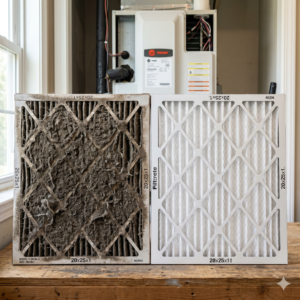
- Dirty air filters blocking airflow
- Low refrigerant (gas leak)
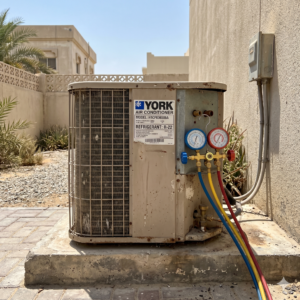
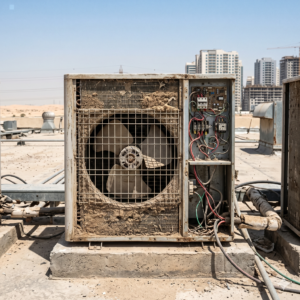
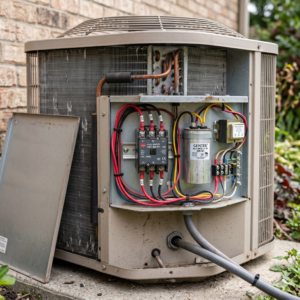
- Outdoor condenser clogged with sand
- Thermostat misconfiguration
What You Can Do
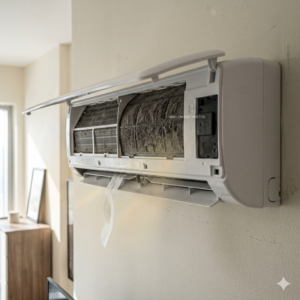
- Clean or replace air filters
- Check thermostat settings
When to Call a Professional
If cooling does not improve, the issue may involve refrigerant or compressor performance, which requires proper AC repair inspection.
Water Leaking from AC
Water leakage is extremely common in the UAE due to humidity and condensation.
Common Causes
- Clogged drain line from dust and algae
- Frozen evaporator coil
- Improper AC installation angle
Quick Checks
- Turn off the AC
- Check for visible drain blockage
- Allow ice buildup to melt
UAE-Specific Insight
High humidity combined with dust creates ideal conditions for drain blockages. This is especially common in apartments with continuous AC usage.
Weak Airflow from Vents
If air is coming out but feels weak, the issue is usually related to airflow restriction.
Possible Causes
- Dirty air filters
- Blocked ducts
- Fan motor issues
DIY Step
- Clean filters thoroughly
If airflow remains weak, the issue may be inside the duct system, which often requires deeper cleaning.
Bad Smell from AC
Foul odors are a sign that something is growing or accumulating inside your system.
Types of Smells
- Musty smell → mold or bacteria
- Burning smell → electrical issue
- Rotten smell → severe contamination
UAE Context
High humidity and sealed indoor environments make odor issues more common. Moisture inside ducts can lead to bacterial growth.
What You Can Do
- Clean filters
- Check for visible mold near vents
Persistent odor usually requires internal cleaning beyond surface level.
Unusual Noise from AC
Strange sounds often indicate mechanical problems.
Common Noise Types
- Banging → loose components
- Buzzing → electrical issue
- Whistling → airflow restriction
Noise should never be ignored, as it can lead to more serious damage.
UAE-Specific AC Problems You Should Know
Sand-Clogged Condenser
Outdoor units in the UAE are exposed to sand and dust. Over time, this blocks airflow and reduces cooling efficiency.
Humidity-Driven Drain Blockage
Moisture buildup combined with dust leads to clogged drain lines, causing water leakage.
Continuous AC Usage
Unlike other countries, AC systems in the UAE run for long hours, increasing wear and tear.
High-Rise vs Villa AC Troubleshooting
High-Rise Apartments (District Cooling)
- Centralized system
- Limited control over main system
- Issues often related to internal units or valves
Villas (Ducted Split Systems)
- Full control of system
- More components to maintain
- Higher responsibility for maintenance
Understanding your system type helps you diagnose problems more accurately.
Common AC Error Codes Explained
Modern AC units display error codes when something goes wrong.
| Error Code | Meaning |
|---|---|
| E1 | Sensor issue |
| E2 | Evaporator temperature problem |
| E3 | Compressor overload |
| E4 | High discharge temperature |
Exact codes vary by brand, but they generally indicate system protection mechanisms.
What You Can Fix Yourself vs What You Should Not
| Safe DIY | Professional Required |
|---|---|
| Cleaning filters | Refrigerant refill |
| Checking thermostat | Electrical repairs |
| Replacing batteries | Compressor issues |
Never attempt to handle refrigerant or electrical components yourself.
AC Repair Cost Expectations in UAE
Understanding cost helps you decide urgency.
- Basic inspection: AED 100 – 200
- Minor repair: AED 200 – 500
- Major repair: AED 500 – 1,500+
Note: These are estimated ranges below average market rates and may vary depending on the issue.
When AC Troubleshooting Is Not Enough
If your AC continues to show symptoms after basic checks, it likely requires deeper inspection.
Ignoring issues can lead to:
- Higher electricity bills
- Worsening air quality
- Permanent damage to components
If you are unsure about your AC condition, it is better to address the issue early rather than waiting for it to worsen. Problems like weak airflow, hidden dirt, or internal damage can quietly affect your comfort and increase long-term costs. Taking action early helps prevent more serious failures. If you need guidance, you can use the WhatsApp or Call button on the top right to connect with the Bio On Air team and understand the most suitable next step based on your situation.
Conclusion
AC troubleshooting in the UAE requires a balance between quick checks and knowing when to call professionals. By understanding symptoms, causes, and safe actions, you can avoid unnecessary costs and keep your AC system running efficiently in extreme conditions.