




Installing an ac noise reduction fence can significantly reduce disturbing outdoor AC noise, especially in villas and apartments across the UAE. However, improper enclosure design can block airflow, overheat the compressor, and increase DEWA bills. This guide explains how to reduce noise safely without damaging your AC system.
Table of Contents
ToggleUnderstanding AC Noise in UAE Homes
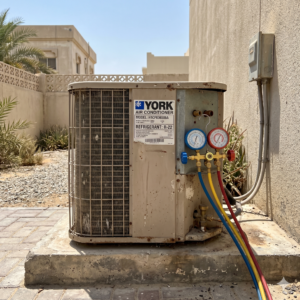
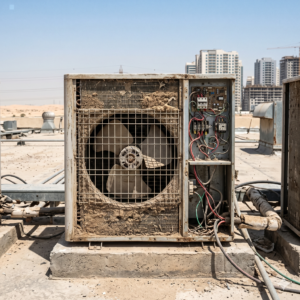
Before building any fence or barrier, it is important to understand where AC noise actually comes from. In most UAE properties, outdoor AC units (condensers) generate sound through two main sources:
- Airborne noise – created by the fan pushing air and heat away
- Structure-borne vibration – caused by the compressor and transmitted through walls, floors, or metal frames
Many homeowners focus only on blocking sound, but without identifying the source, the solution may not be effective.
Why AC Noise Is More Noticeable in the UAE
AC systems in the UAE run longer and harder than in most regions due to extreme temperatures. Outdoor units are constantly rejecting heat into already hot air. This leads to:
- Higher fan speed and louder airflow
- Increased compressor load
- Continuous operation during peak summer
Because of this, noise levels can feel more intense, especially at night when surrounding noise is lower.
Critical Airflow Clearance Requirements
The most important rule when installing an AC noise reduction fence is maintaining proper airflow clearance.
Outdoor AC units need space to:
- Pull in fresh air
- Reject hot air efficiently
- Prevent heat buildup around the condenser
Minimum recommended clearances:
| Direction | Minimum Clearance |
|---|---|
| Front (fan discharge) | 100 – 150 cm |
| Sides | 50 – 80 cm |
| Top | 100 cm or open |
Reducing these clearances can trap heat, forcing the AC to work harder.
Risks of Solid Fences Around AC Units
One of the biggest mistakes is building a solid fence around the AC unit to block noise.
This can lead to:
- Heat recirculation around the condenser
- Compressor overheating
- Short cycling (AC turning on and off frequently)
- Higher electricity consumption
Short cycling is especially dangerous because it reduces system lifespan and increases wear on components.
In extreme UAE heat, this problem becomes even more severe.
How Poor Airflow Increases DEWA Bills
When airflow is restricted, the AC system cannot release heat efficiently. This results in:
- Longer running time
- Reduced cooling performance
- Higher energy consumption
Even a small airflow restriction can increase electricity usage noticeably over time.
Best Materials for AC Noise Reduction Fence
Instead of solid barriers, proper acoustic materials should be used.
Mass Loaded Vinyl (MLV)
MLV is a dense, flexible material designed to block sound transmission.
- High sound absorption
- Weather-resistant options available
- Can be layered with other materials
Acoustic Louvers
These are specially designed panels that allow airflow while reducing noise.
- Maintain ventilation
- Reduce fan noise
- Suitable for outdoor installations
Weatherproof Sound Barriers
Outdoor-rated acoustic panels are designed to withstand heat, dust, and humidity.
- UV-resistant materials
- Durable in desert climate
- Long-term performance
Correct Fence Geometry for Noise Reduction
The shape of the enclosure plays a major role in both airflow and noise reduction.
U-Shaped Design
- Covers three sides of the unit
- Leaves front area open for airflow
- Balances noise reduction and ventilation
L-Shaped Design
- Blocks noise toward specific direction (e.g., neighbor or bedroom)
- Maintains open airflow on remaining sides
These designs are far safer than fully enclosed boxes.
Airborne Noise vs Vibration Noise Solutions
| Noise Type | Cause | Solution |
|---|---|---|
| Airborne Noise | Fan airflow | Acoustic panels / fences |
| Vibration Noise | Compressor movement | Anti-vibration mounts |
If the noise is coming from vibration, a fence alone will not solve the issue. In many cases, installing proper mounts is more effective.
Anti-Vibration Mounts When They Are Needed
Vibration issues often occur when:
- Unit is installed on metal frames
- Mounting is loose or uneven
- Compressor is aging
Anti-vibration mounts help isolate the unit from the structure, reducing noise transmission.
Placement Guidelines for Noise Reduction
Positioning the fence correctly is just as important as the material.
- Do not block the fan discharge direction
- Keep front airflow path clear
- Place barriers on noise-facing sides only
- Maintain distance between fence and unit
This ensures both cooling performance and noise reduction.
Local UAE Approval and NOC Requirements
In many UAE communities, installing structures around AC units may require approval.
This can include:
- Developer approval
- Municipality guidelines
- NOC (No Objection Certificate)
Common requirements:
- Maintaining aesthetic standards
- Not blocking maintenance access
- Ensuring safety compliance
Ignoring these requirements can lead to fines or removal of the structure.
Design Rules to Follow in UAE Communities
Most residential areas have design rules such as:
- Uniform external appearance
- Limited structural modifications
- Use of approved materials
Always check community guidelines before installation.
Common Mistakes in AC Noise Reduction Fences
- Building fully enclosed boxes
- Using non-ventilated materials
- Ignoring airflow clearance
- Blocking heat discharge direction
- Focusing only on sound, not system performance
These mistakes often create bigger problems than the original noise.
When Noise Indicates a Bigger AC Problem
Sometimes noise is not just an external issue. It may indicate:
- Worn-out compressor
- Loose internal components
- Airflow blockage
In such cases, understanding proper AC repair solutions may be more important than installing a fence.
Long-Term Approach to AC Noise Reduction
The best approach combines multiple solutions:
- Proper system maintenance
- Airflow optimization
- Acoustic barrier placement
- Vibration isolation
This ensures both quiet operation and system efficiency.
If you are considering installing an AC noise reduction fence, it is important to approach it carefully. Improper enclosures can trap heat, reduce airflow, and lead to higher energy bills or system damage. Noise issues can also be a sign of deeper AC problems such as airflow restriction or mechanical wear. Addressing both noise and system condition together helps maintain comfort, efficiency, and long-term reliability. If you need clarity on the best setup for your situation, you can use the WhatsApp or Call button on the top right to connect with the Bio On Air team and understand the most suitable next step.
Conclusion
An ac noise reduction fence can be effective when designed correctly. By maintaining airflow, using proper materials, and understanding noise sources, you can reduce sound without compromising AC performance in the UAE’s demanding climate.