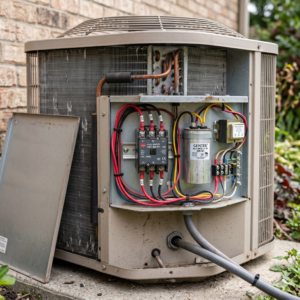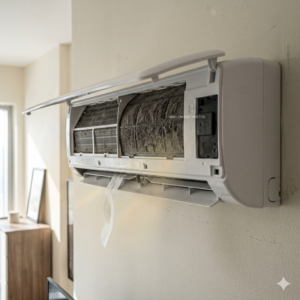





AC hygiene in the UAE is not just about cleaning—it is about controlling moisture, preventing biological growth, and protecting your indoor air quality. In Dubai’s humid environment, AC systems can silently turn into contamination sources if not maintained properly. This guide explains the real risks, warning signs, and proper hygiene solutions.
Table of Contents
ToggleThe Hidden Reality of AC Hygiene in UAE
In the UAE, air conditioning systems run almost continuously. Unlike cooler climates, AC units here are not occasional appliances—they are essential systems that operate for long hours daily.
At the same time, coastal humidity often reaches 70–90% during peak months. When warm, humid air passes through a cold evaporator coil, condensation forms constantly inside the unit.
This creates what can be described as a “condensation zone” inside your AC system:
- Moisture accumulates on coils and internal surfaces
- Dust from the desert enters through airflow
- The mixture forms a sticky layer inside the unit
Over time, this becomes an ideal environment for:
- Mold growth
- Bacterial colonies
- Biofilm formation
This is why AC hygiene in the UAE is not optional—it is necessary for both system performance and health.
How Dust and Moisture Create Biological Buildup
Desert dust in the UAE is extremely fine and easily enters indoor environments. While filters capture some of it, a portion still passes through and settles inside the system.
When dust combines with moisture from condensation, it forms a dense layer that sticks to:
- Evaporator coils
- Blower wheels
- Drain pans
- Internal duct surfaces
This layer acts like organic material, feeding microbial growth.
Unlike dry dust, this “wet dust” does not blow away—it accumulates and spreads through the airflow.
Common Smell-Based Diagnosis of AC Hygiene Issues
One of the easiest ways to identify AC hygiene problems is through smell. Different odors often indicate different internal issues.
1. Dirty Sock Smell
This smell is often caused by bacteria growing on the evaporator coil. It is common when moisture remains trapped inside the system.
2. Musty or Mold Smell
This indicates mold growth inside ducts or internal components. It usually becomes stronger when the AC starts.
3. Sewage or Rotten Smell
This often points to clogged or contaminated drain lines, where stagnant water becomes a breeding ground for bacteria.
Ignoring these smells can lead to continuous air contamination inside your home.
Why Basic Filter Cleaning Is Not Enough
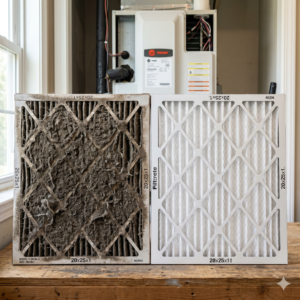
Many homeowners believe that cleaning the AC filter solves hygiene issues. While filter cleaning is important, it only addresses a small part of the system.
Filters mainly capture large dust particles, but they do not clean:
- Evaporator coils
- Blower fans
- Drain systems
- Internal ducts
This means that even with clean filters, contaminated air can still circulate through your home.
What a Full AC Hygiene Service Should Include
A proper AC hygiene service goes far beyond surface cleaning.
It should include:
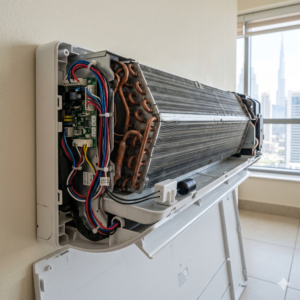
- Deep cleaning of evaporator coil
- Blower wheel disinfection
- Drain pan and drainage line sanitation
- Removal of biofilm and microbial buildup
- Application of anti-bacterial and anti-fungal treatment
This type of cleaning is similar to AC deep cleaning, where internal components are treated, not just rinsed.
Chemical and Bio-Enzymatic Cleaning vs Water-Only Washing
Not all cleaning methods are equal. One of the biggest differences in AC hygiene comes from the cleaning approach.
| Method | Effectiveness | Limitation |
|---|---|---|
| Water-only cleaning | Removes surface dust | Does not kill bacteria or mold |
| Chemical cleaning | Breaks down buildup | Needs proper handling |
| Bio-enzymatic cleaning | Targets organic contamination | Requires professional application |
Professional hygiene services combine safe chemicals with controlled application to remove both visible and invisible contaminants.
Ductwork Contamination in Villas and Central Systems
In villas and central AC systems, contamination does not stay inside one unit—it spreads through the entire duct network.
This is especially common in:
- Large villas with multiple zones
- Buildings using centralized cooling systems
- Older properties with unmaintained ducts
When ducts are contaminated, cleaning requires more advanced methods.
Negative Pressure Extraction
This method uses high-powered vacuum systems to pull contaminants out of ducts without spreading them into the indoor air.
Antimicrobial Fogging
This process distributes disinfectant particles throughout the duct system, reaching areas that cannot be physically accessed.
Without these methods, cleaning remains incomplete.
UAE-Specific HVAC Vulnerabilities
Fan Coil Units (FCU)
FCUs are commonly used in apartments. They are highly prone to:
- Moisture buildup
- Dust accumulation
- Bacterial growth
Chiller Systems
Used in larger buildings, chiller systems distribute cooling across multiple units. Contamination in one area can spread across the entire system.
This makes hygiene maintenance more critical in shared systems.
Advanced AC Hygiene Solutions
UV-C Sterilization
UV-C lights are installed inside AC systems to kill bacteria and mold at the source. They work continuously and reduce microbial growth.
Drain Line Treatment
Specialized treatments prevent blockages and bacterial buildup in drainage systems.
Coil Protection Coating
Protective coatings reduce moisture retention and slow down contamination buildup.
Health Impact of Poor AC Hygiene
Contaminated AC systems can directly affect your health.
Common effects include:
- Allergies and sneezing
- Respiratory irritation
- Asthma triggers
- Persistent coughing
Children and elderly individuals are especially sensitive to indoor air quality.
Energy Efficiency Impact and DEWA Bills
Biological buildup does not only affect health—it also affects performance.
When coils and airflow pathways are blocked:
- Cooling efficiency drops
- AC runs longer to reach temperature
- Electricity consumption increases
This often results in higher DEWA bills without obvious reasons.
How Often AC Hygiene Should Be Done in UAE
Due to the climate, AC hygiene service is recommended:
- Every 6–12 months for apartments
- Every 6 months for villas or heavy-use systems
Regular maintenance prevents buildup before it becomes a serious issue.
Early Signs You Should Not Ignore
- Unusual smells when AC starts
- Weak airflow
- Frequent dust buildup indoors
- Water leakage
- Increased energy bills
These are early indicators of internal contamination.
Why AC Hygiene Is a Preventive Investment
AC hygiene is not just cleaning—it is system protection.
- Prevents major AC breakdowns
- Maintains indoor air quality
- Improves energy efficiency
- Extends system lifespan
Ignoring hygiene issues often leads to higher repair costs later.
If you are noticing unusual smells, airflow issues, or increasing energy consumption, it is important to address them early. In UAE conditions, moisture and dust can quickly turn into biological buildup inside your AC system, affecting both air quality and performance. Over time, this can lead to respiratory discomfort, higher DEWA bills, and potential system damage. With the right approach, these problems can be controlled before they become severe. If you need a clearer understanding of your AC condition, you can use the WhatsApp or Call button on the top right to connect with the Bio On Air team and discuss the most suitable next step based on your system.
Conclusion
AC hygiene in the UAE is essential due to humidity, dust, and continuous system usage. Understanding the risks, recognizing early signs, and choosing proper cleaning methods can help maintain both indoor air quality and AC performance in the long term.