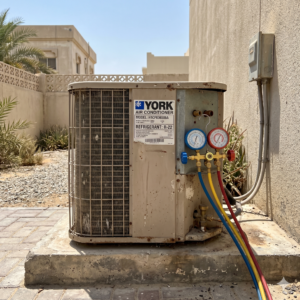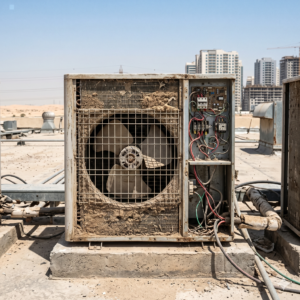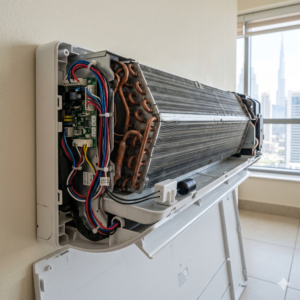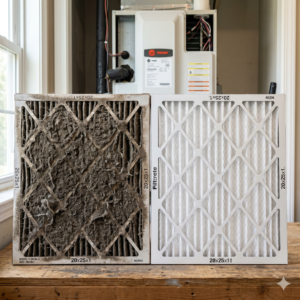





If you hear an ac hissing noise in your home or office, it can be confusing and sometimes worrying. In many cases, the sound is harmless and temporary. But in other situations, it can signal pressure problems, refrigerant leaks, or internal damage. This guide helps you understand the difference, identify the cause, and decide what to do next.
Table of Contents
ToggleImmediate Check: Is the Hissing Noise Safe or Dangerous
Not all hissing sounds mean something is wrong. The first step is to understand whether the noise is normal system behavior or a sign of a problem.
Normal Hissing (Usually Safe)
- Short hissing sound when AC turns on or off
- Lasts only a few seconds
- No change in cooling performance
This is typically caused by pressure equalization inside the system. Refrigerant moves between high and low-pressure zones, creating a brief hissing sound.
Abnormal Hissing (Needs Attention)
- Continuous or repeating hissing sound
- AC not cooling properly
- Sound getting louder over time
- Accompanied by smell or airflow issues
If the sound continues or worsens, it usually indicates a deeper issue that should not be ignored.
What Causes AC Hissing Noise
A hissing noise in an AC system is usually related to pressure imbalance, airflow leaks, or refrigerant movement. Below are the most common causes.
1. Refrigerant Leak (Most Common Cause)
Refrigerant flows under pressure inside sealed pipes. If there is a leak, the gas escapes, creating a hissing or whistling sound.
Signs of refrigerant leak:
- Weak cooling
- Longer running time
- Ice formation on coils
- Increase in electricity bills
This is one of the most serious causes because the system cannot function properly without correct refrigerant levels.
2. Compressor Valve Damage
The compressor is the heart of the AC system. If internal valves are damaged, pressure may not be controlled properly, leading to hissing or high-pressure noise.
This issue often leads to:
- Reduced cooling efficiency
- Unstable system operation
- Risk of full compressor failure
3. Air Leaks in Ductwork
In ducted systems, hissing can come from air escaping through gaps or cracks in ducts.
Common signs:
- Uneven cooling across rooms
- Whistling sound near vents
- Dust buildup around duct joints
This type of hissing is less dangerous but still affects system efficiency.
4. Expansion Valve or Metering Device Noise
The expansion valve regulates refrigerant flow. When it malfunctions or operates under stress, it may produce a hissing or whooshing sound.
This is often linked to pressure imbalance in the system.
Different Types of Hissing Sounds Explained
Not all hissing sounds are the same. Understanding the type helps identify the cause.
| Sound Type | Possible Cause | Risk Level |
|---|---|---|
| Short soft hiss | Pressure equalization | Low |
| Continuous hiss | Refrigerant leak | High |
| Whistling sound | Air duct leak | Medium |
| High-pressure hiss | Compressor issue | Very High |
System-Specific Causes in UAE Properties
Different AC systems produce different types of hissing noise.
Split AC Units
- Refrigerant leaks in copper pipes
- Expansion valve noise
- Indoor unit pressure imbalance
VRF / VRV Systems
- High-pressure refrigerant flow
- Control valve issues
- Complex piping leaks
These systems operate at higher complexity, so small issues can create noticeable noise.
Chiller and Fan Coil Units
- Water flow noise (sometimes mistaken as hissing)
- Air trapped in pipes
- Valve pressure imbalance
In large buildings, hissing may come from water systems, not refrigerant.
Gas vs Air vs Water Sounds
It is important to distinguish between different sound sources.
- Gas (Refrigerant): sharp hissing, often continuous
- Air: whistling or blowing sound
- Water: bubbling or flowing noise
Each indicates a different type of issue and requires a different solution.
Professional Leak Detection Methods
When a refrigerant leak is suspected, professionals use specific methods to confirm it.
Nitrogen Pressure Testing
The system is filled with nitrogen to detect pressure drops and locate leaks.
Electronic Leak Detectors
Sensors detect refrigerant gas in the air, even in small quantities.
UV Dye Testing
A special dye is added to the system. Under UV light, leak points become visible.
These methods ensure accurate diagnosis rather than guesswork.
Why Gas Top-Up Alone Is Not a Solution
Many people assume that adding refrigerant will fix the problem. However, this is only a temporary solution.
If there is a leak:
- The gas will escape again
- The problem will return quickly
- The system will become less efficient
Proper repair requires locating and fixing the leak before refilling gas. This is why professional AC repair handling focuses on root cause, not temporary fixes.
Health and Safety Risks
Ignoring a hissing AC can lead to risks:
- Poor indoor air quality
- Exposure to refrigerant gas (in large leaks)
- Overheating components
- Electrical stress
While small leaks are not immediately dangerous, larger leaks in enclosed spaces can affect air quality.
Financial Impact of Ignoring the Issue
Delaying repair can increase costs significantly.
- Higher electricity bills due to inefficiency
- Damage to compressor (most expensive component)
- Frequent breakdowns
- Full system replacement in worst cases
Early detection and repair are always more cost-effective.
When You Should Call a Professional
You should seek professional help if:
- Hissing sound is continuous
- Cooling performance drops
- You notice ice or leaks
- The system frequently turns off
These are signs that the issue is beyond normal operation.
Preventing AC Hissing Problems
Preventive maintenance reduces the risk of hissing issues.
- Regular system inspection
- Cleaning filters and coils
- Checking refrigerant pressure
- Maintaining duct integrity
Routine servicing helps identify problems before they become serious.
Why Early Action Matters
Many AC issues in the UAE start small but worsen quickly due to constant usage and environmental conditions.
If you hear unusual hissing from your AC system, it is important not to ignore it. What may seem like a minor sound can be an early sign of pressure imbalance, refrigerant loss, or internal damage. Over time, this can reduce air quality, increase energy consumption, and lead to major system failure. Addressing the issue early helps prevent more complex and costly problems. If you need clarity about your AC condition, you can use the WhatsApp or Call button on the top right to connect with the Bio On Air team and understand the most suitable next step.
Conclusion
An ac hissing noise can be normal or a warning sign depending on its behavior. By understanding the difference between safe and dangerous sounds, identifying possible causes, and taking timely action, you can protect your AC system, maintain indoor comfort, and avoid unnecessary costs.