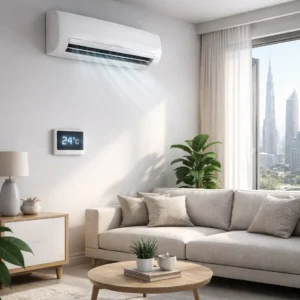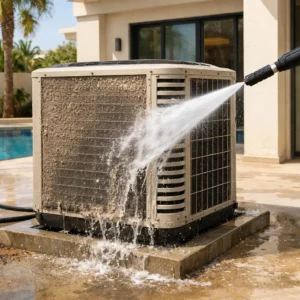





Searching for ac heating and cooling repair usually means your system is no longer keeping your space comfortable—either the cooling is weak during hot days, heating feels ineffective on cooler nights, or the system behaves inconsistently. In Dubai, where AC systems often run for long hours almost year-round, heating and cooling problems are not just about comfort. They directly affect indoor air quality, energy consumption, equipment lifespan, and monthly costs. This guide is designed to help you understand what you can safely do yourself, when professional repair is the smarter choice, and how pricing for AC heating and cooling repair in Dubai usually works—so you can avoid repeat problems and unnecessary expenses.
Table of Contents
ToggleUnderstanding AC Heating and Cooling Systems in Dubai
In Dubai, most residential and commercial buildings rely on AC systems that handle both cooling and, in some cases, heating through heat pump functions or integrated HVAC setups. These systems are exposed to extreme heat, dust, humidity, and long operating hours, which makes wear and performance issues more common.
Typical systems used include:
- Split AC systems for apartments and small villas
- Central AC systems for villas, offices, and commercial spaces
- Ducted and VRF systems for larger properties
Because these systems often operate continuously, small problems—such as airflow restriction or sensor misalignment—can quickly escalate into larger heating or cooling failures if not addressed early.
Common Signs You Need AC Heating and Cooling Repair
Before discussing DIY tips or pricing, it helps to recognize early warning signs that your system needs attention:
- Cooling takes longer than usual or feels uneven
- Heating mode runs but does not warm the space properly
- Airflow feels weak from vents
- Unusual noises, clicking, or vibration
- Water leakage or moisture around indoor units
- Sudden increase in electricity bills
These symptoms often indicate underlying issues such as dirty coils, blocked ducts, refrigerant imbalance, or control faults.
DIY Tip #1 Check Thermostat and Mode Settings
One of the simplest DIY steps is verifying thermostat settings. Sometimes the system appears faulty when it is actually set incorrectly.
Check that:
- The system is set to the correct mode (cooling or heating)
- The temperature setpoint makes sense for the season
- Batteries in the thermostat are working
This step may seem basic, but incorrect mode selection is a common cause of “no cooling” or “no heating” complaints.
DIY Tip #2 Inspect and Clean Air Filters
Dirty air filters are one of the most common causes of poor cooling and heating performance. When filters are clogged, airflow is restricted, forcing the system to work harder.
Effects of dirty filters include:
- Reduced cooling or heating output
- Higher energy consumption
- Increased strain on internal components
Cleaning or replacing filters every few weeks—especially during heavy usage—can significantly improve performance and reduce the need for repair.
DIY Tip #3 Check Air Vents and Return Grilles
Blocked or closed vents can cause uneven heating and cooling.
Make sure:
- Furniture or curtains are not blocking vents
- Return air grilles are unobstructed
- Airflow feels balanced across rooms
This simple check can resolve comfort issues without any technical repair.
DIY Tip #4 Look for Visible Water Leaks
Water leakage is often linked to clogged drain lines or frozen coils.
If you notice water:
- Turn off the system to prevent damage
- Check for visible blockages near the drain outlet
- Avoid opening internal components if unsure
Persistent leakage usually requires professional cleaning or repair.
DIY Tip #5 Listen for Unusual Sounds
Sounds like rattling, grinding, or buzzing often indicate mechanical or electrical issues.
DIY action should be limited to observation. Continued operation despite unusual sounds can worsen damage, so professional inspection is recommended if noise persists.
DIY Tip #6 Check Outdoor Unit Clearance
The outdoor unit plays a critical role in heat exchange.
Ensure that:
- Dust and debris are cleared around the unit
- Airflow around the condenser is not blocked
- No objects are resting on or against the unit
Poor clearance reduces efficiency and stresses the system.
DIY Tip #7 Observe Heating Performance Separately
Heating mode issues often differ from cooling problems.
If heating feels weak:
- Confirm the system supports heating (not all AC units do)
- Allow time for warm air to build up
- Check that airflow is not restricted
If heating still underperforms, professional diagnosis may be needed.
When DIY Stops and Professional Repair Is Needed
DIY steps are useful for basic checks, but they have limits. Continuing DIY beyond safe boundaries can lead to higher repair costs.
You should stop DIY and call a professional when:
- The system repeatedly trips or shuts down
- Cooling or heating does not improve after basic steps
- Refrigerant issues are suspected
- Electrical faults are visible or suspected
Professional AC repair focuses on correct diagnosis, safe handling, and long-term system health.
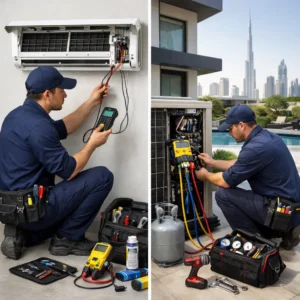
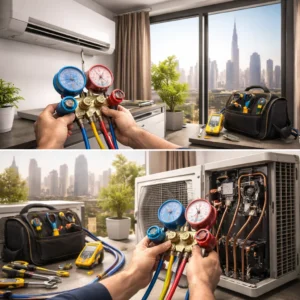
Professional AC Heating and Cooling Repair Process
A proper repair process usually includes:
- Initial inspection and performance testing
- Identification of airflow, mechanical, or electrical issues
- Explanation of findings in simple terms
- Clear cost confirmation before work begins
This structured approach reduces repeat breakdowns and unnecessary expenses.
Pricing for AC Heating and Cooling Repair in Dubai
One of the biggest concerns for homeowners and tenants is cost. Understanding typical price ranges helps set realistic expectations.
Minor Repair Pricing
Minor repairs usually include filter cleaning, thermostat calibration, and basic adjustments. In Dubai, these typically range from AED 230–450. These services are often enough to restore performance if the issue is caught early.
Moderate Repair Pricing
Moderate repairs involve coil cleaning, refrigerant top-up, or drain-line cleaning. These commonly cost between AED 320–650 and address issues like weak airflow, warm air, or water leakage.
Comprehensive Repair Pricing
Comprehensive repairs include fan motor replacement, PCB repairs, or leak fixes. These typically range from AED 450–1,350, depending on system type and damage.
Major Component Replacement
Major repairs such as compressor replacement or system upgrades are more expensive, usually ranging from AED 900–3,600. A detailed quotation is provided after inspection.
Prices may vary based on spare part availability and system condition. What matters most is transparency—costs should always be explained before work starts.
For the most up-to-date pricing details, you can refer to our pricing page.
Heating and Cooling Efficiency and Energy Costs
Inefficient systems consume more electricity. Poor airflow, dirty components, or refrigerant imbalance force the system to run longer.
Professional repair and cleaning improve:
- Energy efficiency
- Cooling and heating consistency
- System lifespan
This translates to lower monthly bills and fewer emergency repairs.
How to Prevent Future Heating and Cooling Problems
Prevention is often more cost-effective than repair.
- Clean or replace filters regularly
- Schedule inspections before peak seasons
- Address small issues early
- Keep indoor and outdoor units clean
Structured care through AC maintenance and AMC services helps keep systems stable throughout the year.
When AC Heating and Cooling Repair Should Be Taken Seriously
Ignoring heating and cooling issues can lead to poor indoor air quality, discomfort, higher energy bills, and permanent system damage. Bio On Air helps address these problems through proper inspection, safe repair methods, and clear communication. Acting early is a preventive decision that reduces long-term cost and disruption. You can use the WhatsApp or Call button at the top right of this page to discuss your system condition with our team.
Conclusion
AC heating and cooling repair in Dubai is not just about fixing a machine—it is about maintaining a comfortable, healthy, and efficient indoor environment. DIY steps can help with basic checks, but professional repair is essential when problems persist or involve mechanical, electrical, or refrigerant components.
By understanding common symptoms, safe DIY actions, realistic pricing, and preventive strategies, you gain control over your AC system instead of reacting to breakdowns. In a climate where heating and cooling reliability directly affects daily life, choosing proper repair and timely maintenance protects both comfort and long-term costs.