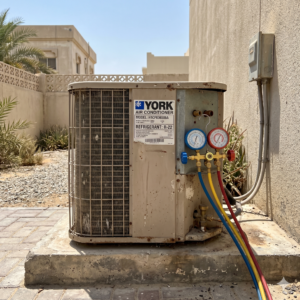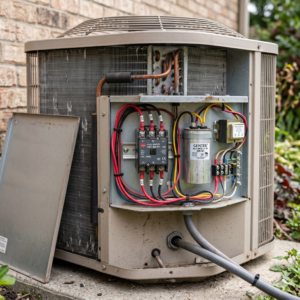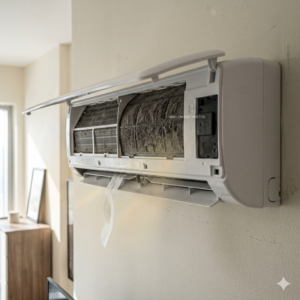





Searching for ac gas recharge often means your AC is no longer cooling properly. In the UAE, this issue is very common—but also widely misunderstood. Many people assume AC gas gets “used up” over time, but in reality, a properly functioning AC system should never lose refrigerant. This guide explains the real causes, symptoms, correct repair process, and realistic UAE pricing.
Table of Contents
ToggleAC Gas Recharge Meaning and Common Misunderstanding
When people search for AC gas recharge, they are usually referring to adding refrigerant into an AC system that is no longer cooling effectively. However, there is an important distinction that many people miss.
AC systems are designed as closed-loop systems. This means the refrigerant (commonly called “gas”) circulates continuously inside sealed pipes. It does not get consumed like fuel.
If your AC is low on gas, it always means one thing:
- There is a leak somewhere in the system
This is a critical point. Simply adding gas without fixing the leak is not a real solution—it is only a temporary fix.
Car AC vs Home AC Gas Recharge
One major source of confusion comes from mixing car AC and home AC systems.
| System Type | Behavior | Gas Loss Expectation |
|---|---|---|
| Car AC | Subject to vibration and wear | Minor gradual loss possible |
| Home AC | Sealed and stationary system | No loss under normal conditions |
In home AC systems (like those used in UAE apartments and villas), refrigerant should remain stable for years unless there is a leak.
Why Low Refrigerant Always Means a Leak
Low gas is never “normal.” It is always a symptom of a problem.
Common leak points include:
- Flare joints and pipe connections
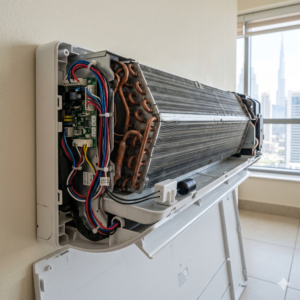
- Evaporator coil inside indoor unit
- Condenser coil in outdoor unit
- Brazed joints or weak solder points
These leaks may be very small and not immediately visible, but over time they reduce cooling performance.
Common Myths About AC Gas Recharge
Myth 1: AC Gas Needs Refilling Every Year
This is false. A properly installed AC system should not require refilling unless there is a leak.
Myth 2: Top-Up Is Enough
Adding refrigerant without fixing the leak only delays the problem. The gas will escape again.
Myth 3: Low Cooling Always Means Low Gas
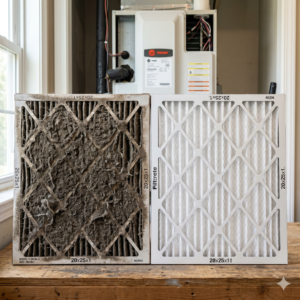
Weak cooling can also be caused by dirty filters, airflow issues, or compressor problems—not just refrigerant.
Types of Refrigerants in UAE AC Systems
Different AC systems use different refrigerants. Understanding this is important for proper recharge.
| Refrigerant | Common Use | Notes |
|---|---|---|
| R-22 | Older systems | Being phased out, limited availability |
| R-410A | Most common modern systems | High pressure, blended refrigerant |
| R-32 | Newer energy-efficient units | Lower environmental impact |
Technical Warning About Improper Gas Top-Up
This is one of the most important sections.
Refrigerants like R-410A are blended gases. This means:
- You cannot simply “top up” partially
- The entire system must be recharged correctly
If a system is partially refilled incorrectly:
- Cooling efficiency drops
- Compressor damage risk increases
- System pressure becomes unstable
This is why professional AC gas recharge procedures always follow strict technical steps.
Symptoms of Low AC Gas
There are several clear signs that your AC may have low refrigerant.
- Weak or warm airflow
- Ice forming on indoor unit or pipes
- Hissing or bubbling sound
- AC running longer than usual
- Uneven cooling across rooms
These symptoms indicate pressure imbalance inside the system.
Temperature Split Self-Check Method
You can perform a simple check before calling a technician.
Steps:
- Set AC to cooling mode
- Measure air temperature at intake (return air)
- Measure air temperature at output (supply air)
Normal difference:
- 8°C to 12°C drop
If the temperature difference is too small, it may indicate low refrigerant or airflow problems.
Proper Professional AC Gas Recharge Process
A correct recharge is not just about adding gas. It involves a full technical procedure.
1. Leak Detection
Technicians identify leak points using pressure tests or detection tools.
2. Nitrogen Pressure Testing
The system is pressurized with nitrogen to confirm leak locations.
3. Repair and Brazing
Leaks are sealed using brazing or component replacement.
4. Vacuum Pumping
Air and moisture are removed from the system completely.
5. Charging by Exact Weight
Refrigerant is added based on manufacturer specifications, not guesswork.
This process ensures stable system performance and prevents future issues.
AC Gas Recharge Cost in UAE
Pricing varies depending on system size and repair complexity.
| Service Type | Estimated Price Range (AED) | Notes |
|---|---|---|
| Simple Gas Top-Up | 150 – 400 | Temporary fix only |
| Leak Detection + Recharge | 500 – 1,200 | Proper diagnosis included |
| Full Repair + Recharge | 1,200 – 3,000+ | Includes leak repair and full system recharge |
Note: Prices are slightly below typical UAE market rates and may vary depending on system type, refrigerant used, and damage severity.
Temporary Top-Up vs Complete Repair
| Approach | Cost | Result |
|---|---|---|
| Top-Up Only | Lower upfront | Short-term relief |
| Full Repair + Recharge | Higher upfront | Long-term stability |
Choosing the cheaper option often leads to repeated service calls and higher total cost.
Why Fixing the Leak Is More Important Than Refilling
Refrigerant loss will continue until the leak is repaired. Ignoring this leads to:
- Compressor failure (most expensive part)
- Higher electricity consumption
- Poor cooling performance
This is why a complete solution is always recommended.
How UAE Climate Affects Refrigerant Issues
The UAE environment creates additional stress on AC systems:
- Extreme outdoor temperatures
- Continuous AC usage
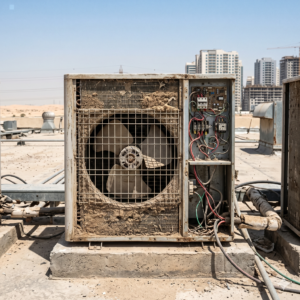
- Dust accumulation affecting airflow
These factors can accelerate system wear and reveal hidden leaks faster.
When Should You Call a Professional
You should not delay if you notice:
- Ice buildup on AC components
- Sudden drop in cooling performance
- Unusual sounds or pressure-related noise
These are signs that require proper inspection—not guesswork.
If you are experiencing AC performance issues or suspect low refrigerant, it is important to address it early. Ignoring these signs can lead to compressor damage, higher electricity usage, and poor indoor comfort. A proper diagnosis ensures that leaks are identified and fixed correctly, rather than temporarily masked. If you need clarity about your AC condition or want to understand the correct repair approach, you can use the WhatsApp or Call button on the top right to connect with the Bio On Air team and discuss your situation directly.
Conclusion
AC gas recharge is often misunderstood, especially in home systems where refrigerant should not decrease under normal conditions. By understanding the real cause of low gas, recognizing symptoms early, and choosing proper repair methods, you can avoid repeated issues and maintain efficient, reliable cooling in your UAE property.