




If you hear an ac banging noise, you should stop the system immediately. A banging sound usually means internal parts are hitting each other. In UAE conditions, running the AC even for a few minutes after this sound can cause serious damage. This guide explains what it means, where it comes from, and what you should do next.
Table of Contents
ToggleTurn Off Your AC Immediately If You Hear Banging
A banging noise is not a normal AC sound. It is different from humming, clicking, or airflow noise. Banging usually indicates that a solid component inside the system is loose, broken, or colliding with another part.
When this happens:
- Metal parts may be hitting each other repeatedly
- Internal components can break further with each rotation
- The compressor or fan may be at risk of permanent failure
Continuing to run the AC in this condition can turn a repairable issue into a full system replacement. The safest action is to turn the system off and avoid restarting it until the cause is understood.
Understand When the Banging Happens
Before diagnosing the problem, it is important to identify when the sound occurs. This helps narrow down the possible cause.
Banging Only During Startup or Shutdown
If the sound happens only when the AC turns on or off, and the system runs normally afterward, the issue may be less severe.
Possible causes include:
- Expansion and contraction of metal components
- Duct movement due to pressure changes
- Loose mounting parts adjusting during operation
These cases still require inspection, but they are usually not immediate emergencies.
Continuous Banging During Operation
If the banging continues while the AC is running, the situation is more serious. This usually indicates a mechanical problem that can worsen quickly.
Common risks include:
- Fan blade damage
- Compressor internal failure
- Detached or broken components
This type of noise should always be treated as urgent.
Identify Where the Noise Is Coming From
The next step is to determine whether the sound comes from the indoor unit or the outdoor unit.
This distinction is critical because the causes are completely different.
Outdoor Unit Banging Noise Causes
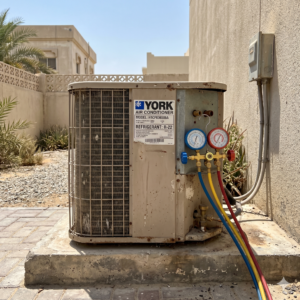
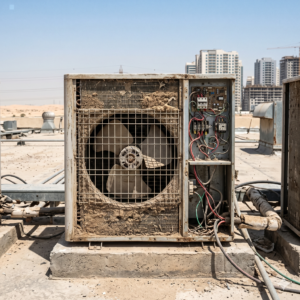
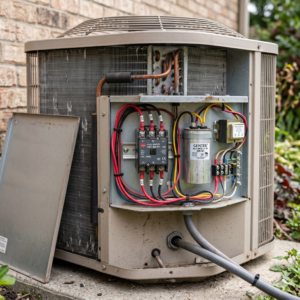
The outdoor unit contains the compressor and condenser fan. Banging sounds here are often more serious.
1. Internal Compressor Failure
The compressor is the most important and expensive part of the AC system. If internal components break or loosen, they can create loud banging sounds.
Signs:
- Loud metallic banging
- Reduced cooling performance
- System struggling to start
Severity: Critical
This usually requires professional repair or compressor replacement.
2. Broken or Loose Fan Blade
If the condenser fan blade is damaged or loose, it may hit the housing or nearby components.
Signs:
- Rhythmic banging sound
- Visible vibration from outdoor unit
- Noise increases with fan speed
Severity: High
3. Worn or Missing Vibration Pads
Outdoor units are mounted on rubber pads to absorb vibration. If these pads are damaged or missing, the unit may hit the base or surface.
Signs:
- Banging when compressor starts
- Movement of outdoor unit
Severity: Moderate
4. Obstruction Inside the Unit
Foreign objects like debris or loose screws can enter the outdoor unit and get caught in moving parts.
Signs:
- Irregular banging sounds
- Sudden noise after windy or dusty conditions
Severity: Moderate to High
Indoor Unit Banging Noise Causes
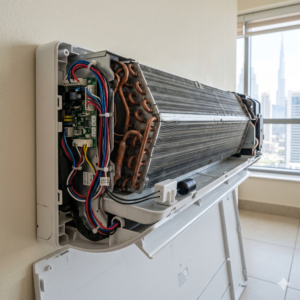
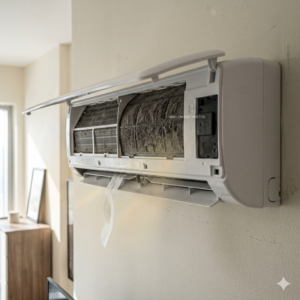
Indoor units produce banging sounds for different reasons, usually related to airflow or internal components.
1. Unbalanced Blower Wheel
The blower wheel pushes air through the system. If it becomes unbalanced due to dirt buildup or damage, it can hit surrounding parts.
Signs:
- Banging or thumping sound from vents
- Weak or uneven airflow
Severity: High
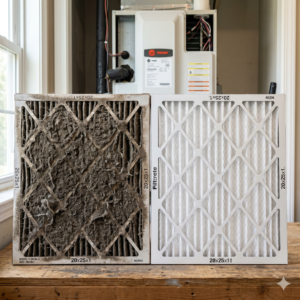
2. Dust or Mold Buildup
Heavy buildup inside the system can disrupt airflow and create pressure imbalances.
Signs:
- Banging combined with airflow changes
- Musty smell
Severity: Moderate to High
3. Duct Pressure Collapse
In some cases, duct walls can flex due to pressure changes, creating a banging or popping sound.
Signs:
- Banging when AC turns on
- Noise from ceiling or walls
Severity: Moderate
4. Water Hammer in Chilled Water Systems
In buildings with chilled water systems, sudden changes in water flow can cause pressure shocks, leading to banging sounds.
Signs:
- Loud bang when system starts
- Occurs in larger or commercial buildings
Severity: High
Severity Levels Summary
| Cause | Severity | Action |
|---|---|---|
| Compressor failure | Critical | Immediate shutdown + repair |
| Fan blade issue | High | Stop system and inspect |
| Blower imbalance | High | Professional repair required |
| Duct movement | Moderate | Inspection recommended |
| Vibration pads | Moderate | Fix mounting system |
When You Need Urgent Professional Repair
You should not delay repair if:
- The noise is continuous
- The system performance drops
- The outdoor unit vibrates heavily
- The sound becomes louder over time
These signs indicate active mechanical damage.
Understanding how professional AC repair is handled can help you avoid temporary fixes that may lead to further system damage.
How to Avoid Misdiagnosis and Unnecessary Repairs
One of the most common issues is misdiagnosing AC problems. Some technicians may incorrectly attribute banging noises to refrigerant issues.
However:
- Refrigerant problems do not cause banging sounds
- Banging is almost always mechanical
- Gas refill is rarely the solution
If refrigerant is suggested without proper inspection, it may not address the real problem.
Practical Steps Before Calling for Repair
- Turn off the AC immediately
- Note when the noise occurs
- Identify indoor vs outdoor source
- Check for visible obstruction (without opening unit)
These steps help you describe the issue more accurately.
Why AC Banging Noise Is Common in UAE
UAE conditions increase the likelihood of AC issues due to:
- Continuous AC usage
- High dust levels
- Extreme temperature differences
These factors accelerate wear and buildup inside the system.
Preventing Future AC Banging Issues
- Regular maintenance and inspection
- Cleaning filters and ducts
- Checking mounting stability
- Addressing small issues early
Prevention is always more cost-effective than repair.
If you are hearing an AC banging noise, it is important not to ignore it. Mechanical issues inside the system can worsen quickly, affecting both cooling performance and indoor air quality. Continued operation may lead to permanent damage and higher repair costs. Addressing the issue early helps protect your system and maintain a safe indoor environment. If you need clarity about your situation, you can use the WhatsApp or Call button on the top right to connect with the Bio On Air team and understand the most suitable next step.
Conclusion
An ac banging noise is a serious warning sign that should never be ignored. By identifying when and where the sound occurs, you can better understand the issue and take the right action early. Prompt attention helps prevent major damage, reduces repair costs, and ensures your AC system continues to operate safely and efficiently.