




A faulty ac relay is one of the most overlooked causes of AC failure in the UAE. Many people assume the issue is major, but in reality, a small electrical component can stop your entire system from working properly. Understanding how this part works, the symptoms, and the real risks can help you avoid serious damage and unnecessary costs.
Table of Contents
ToggleWhat Is an AC Relay and How It Works
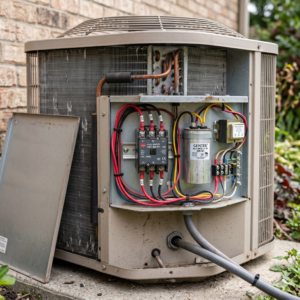
An AC relay, often called a contactor, is a small electrical switch that controls the flow of power to major components like the compressor and fan motor. When your thermostat signals the AC to turn on, the relay closes the circuit and allows electricity to flow. When the cooling cycle ends, it opens the circuit to stop the system.
In simple terms, the relay acts like a gatekeeper. Without it, the AC cannot properly start or stop.
This small component handles high electrical loads repeatedly, especially in UAE conditions where AC systems run for long hours daily. Over time, this constant switching can wear out the relay.
Common Symptoms of a Faulty AC Relay
A faulty relay often shows early warning signs before complete failure. Recognizing these symptoms early can prevent bigger issues.
Clicking Sound Without Startup
You may hear a clicking sound when the AC tries to start, but the unit does not turn on. This usually means the relay is attempting to engage but failing to complete the circuit.
Buzzing Noise from Outdoor Unit
A continuous buzzing sound often indicates electrical current is reaching the relay, but it is not switching properly. This can cause overheating and internal damage.
AC Not Turning Off
If your AC keeps running even after reaching the desired temperature, the relay may be stuck in a closed position. This is a serious issue because it forces the compressor to run continuously.
Intermittent Cooling
The AC may start and stop randomly, leading to inconsistent cooling. This happens when the relay connection becomes unstable.
Complete Failure to Start
In advanced cases, the relay fails completely, preventing the AC from turning on at all.
Why AC Relays Fail in UAE Conditions
The UAE environment is particularly harsh on AC components. Several factors contribute to relay failure.
Extreme Heat
High outdoor temperatures increase electrical load and stress on the relay. Continuous operation accelerates wear.
Dust and Sand
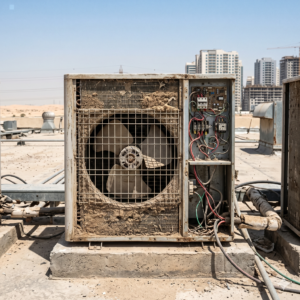
Fine dust particles can enter electrical compartments, causing contamination and reducing contact efficiency.
Humidity and Condensation
Moisture buildup can lead to corrosion on relay contacts, affecting conductivity.
Frequent On-Off Cycles
Systems that frequently cycle on and off put additional stress on the relay mechanism.
What Happens If You Ignore a Faulty AC Relay
Ignoring a faulty relay can lead to much bigger problems.
- Compressor overheating due to continuous operation
- Electrical damage to other components
- Increased energy consumption
- Complete system breakdown
The compressor is the most expensive part of the AC system. If it gets damaged, the cost of repair increases significantly.
Faulty Relay vs Compressor Problem
Many homeowners confuse relay issues with compressor failure. This confusion can lead to overcharging or unnecessary replacements.
| Issue | Typical Cost (AED) | Complexity |
|---|---|---|
| Relay Replacement | 150 – 400 | Simple |
| Compressor Replacement | 2,000 – 6,000+ | Complex |
Note: These prices are slightly below average UAE market rates and may vary depending on AC type and accessibility.
This is why correct diagnosis is critical before replacing major components.
Why Resetting the Breaker Does Not Fix Relay Failure
Some people try resetting the circuit breaker when the AC stops working. While this may temporarily restart the system, it does not fix a mechanical relay failure.
A breaker reset only restores power. It does not repair:
- Worn relay contacts
- Stuck switching mechanism
- Electrical arcing damage
If the relay is faulty, the issue will return quickly.
Safe Visual Inspection You Can Do
Homeowners can perform basic checks safely without touching electrical parts.
Listen for Sounds
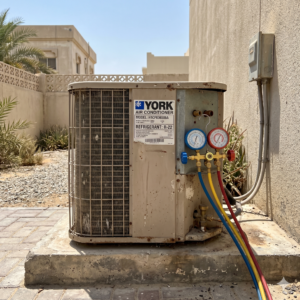
Pay attention to clicking or buzzing noises from the outdoor unit.
Check for Burn Marks
If accessible, look for visible signs of overheating such as discoloration around the relay area.
Observe System Behavior
Notice whether the AC starts properly, stops correctly, or runs continuously.
Important: Do not attempt to open electrical panels or touch internal components. This can be dangerous and should only be done by professionals.
When You Need Professional Repair
You should call a professional if:
- The AC does not start despite power supply
- There is continuous buzzing or clicking
- The unit does not turn off
- The system behaves unpredictably
Proper diagnosis often requires electrical testing tools and experience.
Understanding how AC repair is handled professionally helps ensure that small issues like relay failure are identified early before causing major damage.
How Professionals Diagnose Relay Problems
Technicians typically:
- Measure voltage across relay terminals
- Check continuity of contacts
- Inspect for wear or damage
- Test system response under load
This ensures accurate identification of the problem.
How to Prevent Relay Failure
While relays naturally wear out, proper maintenance can extend their lifespan.
- Regular AC servicing
- Cleaning dust from electrical compartments
- Avoiding frequent manual switching
- Ensuring stable power supply
Preventive care reduces stress on electrical components.
Long-Term Impact on Energy Efficiency
A faulty relay can cause the system to run inefficiently. This leads to:
- Higher electricity bills
- Reduced cooling performance
- Increased wear on other components
Fixing small issues early helps maintain overall system efficiency.
Why Early Diagnosis Matters
Many AC problems start small but become expensive if ignored. A faulty relay is one of the most common examples.
Replacing a relay is relatively simple and affordable. However, delaying the repair can lead to compressor damage, which is much more costly.
If you are noticing unusual sounds, inconsistent operation, or unexpected AC behavior, it is important not to ignore it. Electrical issues like relay failure can quickly escalate into more serious damage, affecting both performance and indoor comfort. Addressing the problem early helps prevent higher repair costs and avoids long-term system damage. If you need clarity about your AC condition, you can use the WhatsApp or Call button on the top right to connect with the Bio On Air team and understand the most suitable next step.
Conclusion
A faulty ac relay may seem like a minor issue, but it plays a critical role in AC operation. Understanding the symptoms, causes, and risks helps you take timely action. With proper diagnosis and early repair, you can avoid major damage, reduce costs, and keep your AC system running efficiently.