




Duct rubber insulation plays a critical role in preventing condensation, energy loss, and long-term AC system damage in UAE buildings. In a climate defined by high humidity, extreme heat, and constant cooling, understanding the right insulation material and installation method is essential for maintaining indoor comfort and system efficiency.
Table of Contents
ToggleWhy Ducts Sweat in UAE Climate Conditions
One of the most common problems in UAE properties is “duct sweating.” This happens when warm, humid air comes into contact with cold AC ducts. The temperature difference causes moisture in the air to condense on the surface of the duct.
In simple terms, it is the same effect you see when a cold glass of water starts forming droplets on the outside. The same process happens on AC ducts, especially when:
- Outdoor humidity is high (common in coastal cities like Dubai and Sharjah)
- Indoor air is not properly ventilated
- Duct insulation is missing, damaged, or poorly installed
When condensation forms repeatedly, it leads to:
- Water dripping from ceilings
- Mold growth inside walls or ceilings
- Damage to gypsum boards and paint
- Reduced insulation performance over time
This is why proper duct insulation is not optional in the UAE—it is a fundamental requirement.
Why Duct Rubber Insulation Is Preferred in UAE
Not all insulation materials perform well in humid environments. Traditional materials like fiberglass may work in dry climates, but they struggle in high humidity conditions.
Duct rubber insulation, especially closed-cell rubber, is designed to resist moisture penetration. This makes it far more suitable for UAE conditions.
Closed-Cell Structure Explained
Closed-cell rubber insulation contains tiny sealed air pockets that prevent water vapor from entering the material. This creates a strong barrier against condensation.
Unlike fiberglass, which can absorb moisture over time, rubber insulation:
- Prevents water absorption
- Maintains thermal performance
- Reduces long-term damage risks
This is why it is widely used in residential, commercial, and industrial HVAC systems across the UAE.
Rubber Insulation vs Fiberglass Comparison
| Feature | Rubber Insulation | Fiberglass Insulation |
|---|---|---|
| Moisture Resistance | Excellent (closed-cell) | Poor (absorbs moisture) |
| Condensation Control | Highly effective | Limited effectiveness |
| Durability | Long-lasting | Degrades over time |
| Maintenance | Low | Requires replacement if wet |
In UAE conditions, fiberglass insulation often fails after prolonged exposure to humidity, while rubber insulation remains stable.
NBR vs XLPE Insulation Materials
Two common types of duct rubber insulation used in the UAE are NBR (Nitrile Butadiene Rubber) and XLPE (Cross-Linked Polyethylene).
NBR Insulation
- High flexibility
- Excellent condensation resistance
- Easy to install on complex duct shapes
- Widely used in residential and commercial buildings
XLPE Insulation
- Higher structural strength
- Better UV resistance
- Suitable for outdoor or exposed installations
- Common in large-scale commercial projects
Comparison Table
| Property | NBR | XLPE |
|---|---|---|
| Flexibility | High | Moderate |
| UV Resistance | Moderate | High |
| Application | Indoor ducts | Outdoor / commercial |
Choosing between NBR and XLPE depends on installation environment and project requirements.
UAE Fire Safety and Civil Defence Requirements
In the UAE, insulation materials must comply with strict fire safety standards.
Key requirements include:
- Class 0 fire rating (low flame spread and smoke emission)
- Compliance with UAE Civil Defence regulations
- Low toxicity in case of fire
Using non-compliant insulation can result in safety risks and regulatory issues.
High-quality duct rubber insulation is designed to meet these standards, making it suitable for residential towers, villas, and commercial buildings.
Correct Installation Practices
Even the best insulation material will fail if installed incorrectly.
Full Surface Adhesive Bonding
The insulation must be fully bonded to the duct surface. Air gaps can allow moisture to accumulate, leading to condensation.
Seam Sealing
All joints and seams must be properly sealed to prevent vapor penetration.
Proper Thickness Selection
Thickness depends on application:
- Indoor ducts: thinner insulation may be sufficient
- Outdoor ducts or roofs: thicker insulation required
Incorrect thickness can reduce effectiveness and allow condensation.
Common Failure Points in UAE Projects
Many insulation failures in the UAE are not due to material quality, but installation mistakes.
- Loose or incomplete bonding
- Unsealed joints
- Damaged insulation during installation
- Incorrect thickness selection
These issues can cause condensation even if high-quality insulation is used.
Condensation Risk Areas to Watch
Some areas are more prone to condensation:
- Ceiling ducts near AC vents
- Roof-exposed duct systems
- Hidden ducts behind gypsum walls
These areas require extra attention during insulation installation.
Acoustic Benefits of Duct Rubber Insulation
In addition to thermal performance, duct rubber insulation also helps reduce noise.
This is especially useful in:
- Villas where quiet environments are preferred
- Offices requiring low noise levels
- Hotels and commercial spaces
Rubber insulation absorbs vibration and reduces sound transmission through ducts.
Long-Term Performance and Maintenance
Rubber insulation is designed for durability, but regular inspection is still important.
- Check for damage or wear
- Inspect seams and joints
- Monitor for condensation signs
Early detection prevents larger issues later.
How Insulation Affects AC Efficiency
Proper insulation reduces energy loss from ducts.
- Maintains stable air temperature
- Reduces AC workload
- Lowers electricity consumption
Poor insulation forces the AC system to work harder, increasing energy costs.
Integration with AC System Maintenance
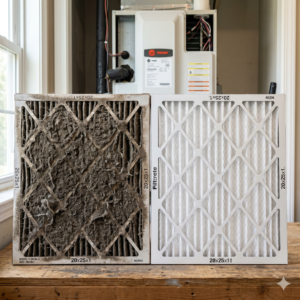
Insulation works together with overall AC system health. Issues like dust buildup or airflow restriction can increase condensation risk.
This is why proper system care—including AC maintenance planning—is important alongside insulation.
When You Should Upgrade Duct Insulation
- Visible condensation on ducts
- Water stains on ceilings
- Old or damaged insulation
- Persistent humidity issues
These signs indicate that insulation is no longer performing effectively.
Cost Considerations for Duct Rubber Insulation
Costs depend on material type, thickness, and installation complexity.
- Basic indoor insulation: AED 20 – 40 per meter
- High-grade insulation: AED 40 – 80 per meter
- Full system installation: varies based on project size
Note: Prices are estimated below typical market range and may vary depending on project conditions and specifications.
Understanding Value Beyond Cost
Duct rubber insulation is not just a construction detail—it directly impacts comfort, air quality, and energy efficiency.
Investing in proper insulation:
- Prevents condensation damage
- Improves system efficiency
- Enhances indoor comfort
If you are experiencing condensation, sweating ducts, or insulation issues, it is important to address them early. Moisture problems can lead to hidden mold growth, structural damage, and reduced AC efficiency over time. With the right insulation approach and proper installation, these risks can be minimized effectively. If you need clarity on your duct condition or insulation requirements, you can use the WhatsApp or Call button on the top right to connect with the Bio On Air team and understand the most suitable next step.
Conclusion
Duct rubber insulation is essential for controlling condensation, improving efficiency, and maintaining indoor air quality in UAE environments. By choosing the right material and ensuring proper installation, you can prevent common problems and achieve long-term system performance.