




A dust allergy problem is very common in the UAE, but many people confuse it with flu or general fatigue. In a region where air-conditioned indoor living, desert dust, and humidity interact daily, understanding the real cause of your symptoms is the first step to finding lasting relief.
Table of Contents
ToggleDust Allergy Problem vs Flu Symptoms in UAE Conditions
One of the biggest challenges is telling whether you are dealing with a dust allergy or a viral illness. Many symptoms overlap, but the cause and pattern are very different.
| Symptom | Dust Allergy | Flu |
|---|---|---|
| Sneezing | Frequent, repetitive | Occasional |
| Runny nose | Clear and watery | Thicker mucus |
| Fever | Rare | Common |
| Body aches | Uncommon | Common |
| Duration | Continues as long as exposure exists | Usually 5–7 days |
| Indoor vs outdoor | Worse indoors | No strong pattern |
In UAE homes, a key sign is this: symptoms improve when you leave the house and return when you come back. That strongly indicates indoor air quality issues rather than infection.
Why Air-Conditioned Environments Can Worsen Dust Allergy
In most countries, fresh air circulation helps dilute airborne particles. In the UAE, the situation is different. Homes and offices are tightly sealed to maintain cooling efficiency, meaning indoor air is constantly recirculated.
This creates a closed loop where:
- Dust particles stay trapped inside
- Humidity from cooking and showers accumulates
- Airborne allergens continuously circulate
Air conditioning does not create allergies, but it can amplify exposure when the system is not properly maintained.
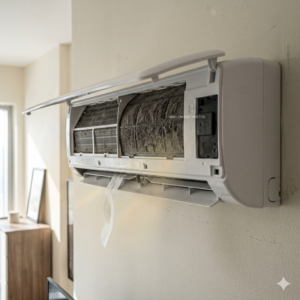
When AC systems run for long hours without proper cleaning, they become carriers of dust, mold spores, and microscopic allergens.
The Role of HVAC Systems in Dust Allergy Problems
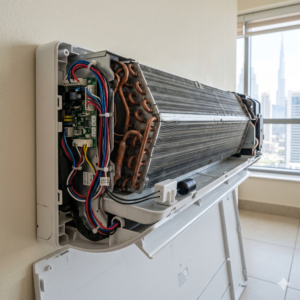
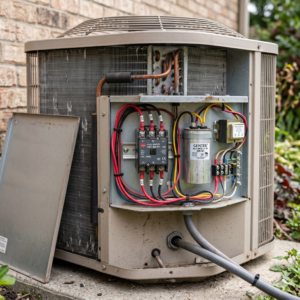
Your HVAC system plays a major role in how air moves inside your home. If it is clean, it helps maintain healthy air. If not, it can spread contaminants.
Common issues inside HVAC systems include:
- Dust accumulation in filters and ducts
- Mold growth in coils and drain pans
- Bacteria buildup in humid areas
- Debris trapped inside duct pathways
When the system operates, these particles are pushed back into your living space.
This is why proper maintenance, including AC duct cleaning, becomes important for reducing exposure.
Common Airborne Triggers in the UAE
The UAE has unique environmental factors that contribute to dust allergy problems.
1. Fine Desert Sand (Silicate Dust)
Unlike larger dust particles, desert sand in the UAE can be extremely fine. These particles can enter indoor spaces through ventilation, doors, and even small gaps.
Because they are lightweight, they remain suspended in the air longer and are easily inhaled.
2. Dust Mites
Dust mites thrive in warm, humid environments—exactly what indoor UAE conditions often provide.
They live in:
- Bedding
- Carpets
- Upholstered furniture
It is not the mites themselves, but their waste particles that trigger allergic reactions.
3. Mold Spores
Humidity combined with AC cooling creates condensation on surfaces. This allows mold to grow in hidden areas such as ducts, ceilings, and behind furniture.
Mold spores can become airborne and worsen respiratory symptoms.
4. Seasonal Pollen
Although less intense than in some regions, pollen from landscaping and urban greenery can still enter indoor spaces and trigger allergies.
Why Dust Allergy Feels Worse at Night
Many people notice that symptoms worsen at night. This is not random.
At night:
- You are in close contact with bedding (dust mites)
- Air circulation may be lower
- AC runs continuously
This increases exposure to allergens, especially if bedding and filters are not properly maintained.
Practical Indoor Air Quality Solutions
1. Clean AC Filters Frequently
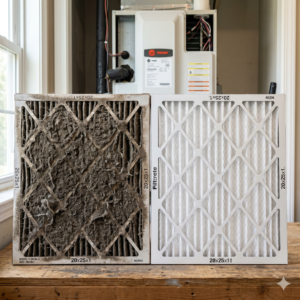
AC filters are the first line of defense. When they are dirty, they stop trapping particles effectively.
Recommended frequency:
- Every 2–4 weeks during heavy usage
- More often in dusty areas
This simple step can significantly reduce airborne dust.
2. Use True HEPA Air Purifiers
Not all air purifiers are equal. True HEPA filters can capture very small particles, including dust mites and pollen.
Look for:
- Certified HEPA filtration
- Proper room coverage size
- Continuous operation capability
3. Deep Cleaning of Ducts and Coils
Surface cleaning is not enough if allergens are inside the system.
Deep cleaning helps remove:
- Hidden dust deposits
- Mold growth
- Airflow obstructions
This improves both air quality and system efficiency.
4. Maintain Humidity Below 50 Percent
Humidity control is critical for preventing dust mites and mold growth.
You can manage humidity by:
- Using dehumidifiers
- Ensuring proper ventilation
- Running AC in appropriate settings
Keeping humidity below 50% makes the environment less favorable for allergens.
5. Improve Airflow Distribution
Uneven airflow can cause dust to settle in certain areas. Proper airflow helps maintain consistent air quality across rooms.
Daily Relief Practices That Actually Work
1. Hot Water Bedding Wash
Wash bedsheets and pillowcases weekly in hot water to eliminate dust mites.
2. Saline Nasal Rinse
This helps remove allergens from nasal passages and provides immediate relief.
3. Wet Dusting Instead of Dry Dusting
Dry dusting spreads particles into the air. Wet cloth cleaning traps dust instead.
4. Vacuum with HEPA Filter
Regular vacuum cleaners may release fine particles back into the air. HEPA-filter vacuums are more effective.
Common Mistakes That Make Dust Allergy Worse
| Mistake | Impact |
|---|---|
| Ignoring AC maintenance | Continuous allergen circulation |
| Using low-quality air purifiers | Minimal filtration effect |
| Dry sweeping floors | Dust becomes airborne |
| Infrequent bedding cleaning | Dust mite buildup |
When a Dust Allergy Becomes a Serious Concern
While most dust allergies are manageable, some cases require attention:
- Persistent coughing or wheezing
- Breathing difficulty
- Severe sinus congestion
- Sleep disruption
These may indicate prolonged exposure or underlying respiratory sensitivity.
Why UAE Homes Require a Different Approach
Dust allergy management in the UAE is not the same as in other countries.
Key differences:
- High dependence on air conditioning
- Limited natural ventilation
- Fine desert dust infiltration
- Humidity variations indoors
This means solutions must focus on indoor air systems, not just surface cleaning.
Long-Term Strategy for Managing Dust Allergy
The most effective approach combines multiple actions:
- Regular AC maintenance
- Periodic duct cleaning
- Consistent cleaning habits
- Air quality monitoring
No single solution works alone. It is the combination that creates a noticeable difference.
If you are dealing with a persistent dust allergy problem, it is important not to ignore the indoor environment. Airborne dust, hidden contaminants, and poorly maintained AC systems can continuously trigger symptoms without obvious signs. Over time, this can affect your comfort, sleep quality, and overall health. Addressing these issues early helps reduce exposure and prevent long-term complications. If you want to better understand your indoor air condition, you can use the WhatsApp or Call button on the top right to connect with the Bio On Air team and explore the most suitable next step for your space.
Conclusion
A dust allergy problem in the UAE is often linked to indoor air quality rather than outdoor exposure. By understanding triggers, improving HVAC hygiene, and adopting consistent cleaning habits, you can significantly reduce symptoms and create a healthier indoor environment.