




Understanding fresh air benefits is more important than ever in the UAE, where most homes and buildings are fully sealed and rely on air conditioning. While AC keeps you cool, it often recirculates the same indoor air. This article explains why fresh air matters, the risks of poor indoor air quality, and how modern ventilation systems solve this problem efficiently.
Table of Contents
ToggleThe Reality of Sealed Buildings in the UAE
In the UAE, buildings are designed to be tightly sealed. This is not a flaw—it is intentional. The goal is to prevent hot outdoor air from entering and to maintain cooling efficiency. However, this design also creates a hidden problem: limited fresh air exchange.
Most apartments, villas, and offices rely heavily on air conditioning systems that operate in a closed loop. This means:
- Indoor air is continuously recirculated
- Very little fresh outdoor air enters the space
- Pollutants and moisture can accumulate over time
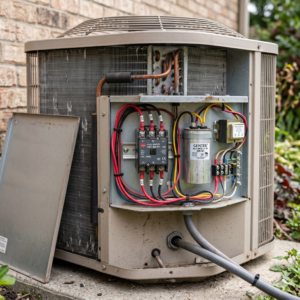
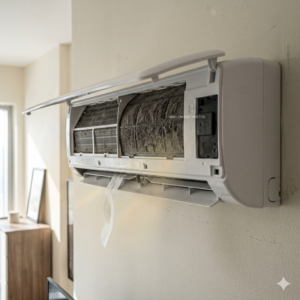
Many people assume that AC systems bring in fresh air, but in reality, standard systems primarily cool and circulate existing indoor air.
Why Standard AC Systems Do Not Provide Fresh Air
Most residential AC systems in the UAE are designed for cooling, not ventilation. Their main function is to:
- Remove heat from indoor air
- Maintain a comfortable temperature
- Circulate air within the space
They do not actively introduce fresh oxygen-rich air from outside. Without a dedicated ventilation system, indoor air quality depends entirely on what is already inside the building.
This leads to a gradual buildup of:
- Carbon dioxide (CO₂)
- Volatile organic compounds (VOCs)
- Dust and fine particles
- Humidity and condensation
Fresh Air Benefits for Health and Comfort
Introducing fresh air into indoor spaces has a direct impact on health, comfort, and productivity.
1. Lower CO₂ Levels
When people breathe in a closed environment, CO₂ levels rise. High CO₂ can cause fatigue, headaches, and reduced concentration.
Fresh air helps maintain balanced oxygen levels, improving mental clarity and comfort.
2. Reduced VOC Exposure
VOCs are chemicals released from furniture, paint, cleaning products, and building materials. In sealed spaces, these compounds accumulate.
Fresh air dilutes VOC concentration, reducing long-term exposure risks.
3. Better Humidity Control
Indoor humidity can rise from daily activities like cooking, showering, and even breathing.
Without proper ventilation, excess moisture can lead to:
- Condensation on walls and windows
- Mold growth
- Musty odors
Fresh air exchange helps stabilize humidity levels.
4. Improved Indoor Air Quality
Fresh air reduces the concentration of airborne particles such as dust, allergens, and bacteria. This is especially important for families with children or individuals with allergies.
5. Increased Comfort and Productivity
Studies show that better air quality leads to improved focus, better sleep, and overall comfort. This is particularly important in offices and work-from-home environments.
Health Risks of Poor Indoor Air Quality
Without proper ventilation, indoor air quality can deteriorate silently.
Common risks include:
- Headaches and fatigue
- Respiratory irritation
- Allergy symptoms
- Sleep disturbances
- Long-term exposure to pollutants
In some cases, poor ventilation combined with moisture can lead to mold growth, which further affects health and air quality.
Mechanical Fresh Air Solutions in UAE Buildings
To address the limitations of standard AC systems, modern buildings use mechanical ventilation systems designed to introduce fresh air while maintaining energy efficiency.
ERV (Energy Recovery Ventilator)
ERV systems exchange stale indoor air with fresh outdoor air while transferring heat and moisture between the two air streams.
This helps:
- Reduce cooling load
- Maintain indoor comfort
- Improve air quality without high energy cost
HRV (Heat Recovery Ventilator)
HRV systems are similar to ERV but focus mainly on heat exchange rather than moisture control.
They are effective in maintaining temperature balance while introducing fresh air.
FAHU (Fresh Air Handling Unit)
FAHU systems are commonly used in larger residential and commercial buildings.
They:
- Bring in fresh outdoor air
- Filter and condition it
- Supply it into indoor spaces
FAHU systems are essential for maintaining consistent ventilation in sealed buildings.
AHU vs FAHU in UAE Applications
| Feature | AHU | FAHU |
|---|---|---|
| Main Function | Air circulation and conditioning | Fresh air supply |
| Fresh Air Intake | Limited or none | Dedicated fresh air intake |
| Typical Use | Cooling existing air | Ventilation and air renewal |
In simple terms, AHU handles air inside the building, while FAHU brings in air from outside.
Does Fresh Air Increase DEWA Bills
A common concern is that introducing fresh air will increase electricity consumption.
Without proper systems, this is true. However, energy recovery systems like ERV and HRV solve this issue.
They work by:
- Transferring heat between incoming and outgoing air
- Reducing the cooling load on AC systems
- Maintaining energy efficiency
This means you get fresh air without significantly increasing energy costs.
UAE Indoor Air Quality Standards
The UAE has established guidelines to ensure healthy indoor environments.
These standards focus on:
- CO₂ concentration levels
- Airborne particle limits
- Ventilation requirements
- Humidity control
Buildings that meet these standards provide safer and healthier indoor environments.
Practical Fresh Air Solutions for Different Property Types
For Villa Owners
- Install ERV or FAHU systems
- Schedule regular duct cleaning
- Ensure proper airflow design
For Apartment Tenants
- Use controlled window ventilation when possible
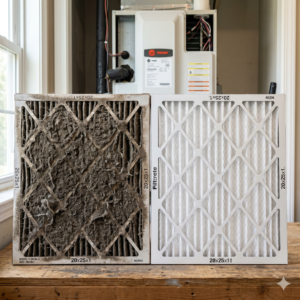
- Maintain AC filters regularly
- Consider portable air purifiers
For Facility Managers
- Implement centralized ventilation systems
- Monitor indoor air quality levels
- Maintain HVAC systems regularly
The Role of Clean AC Systems in Fresh Air Quality
Even with fresh air systems, dirty AC ducts can reduce effectiveness. Dust, debris, and microbial buildup inside ducts can contaminate incoming air.
This is why maintaining clean airflow systems is essential. Proper AC duct cleaning ensures that fresh air remains clean as it circulates through the building.
Why Fresh Air Is Not Optional in the UAE
In a climate where buildings are sealed and AC systems run continuously, fresh air is not a luxury—it is a necessity.
Without it, indoor environments can become stagnant, affecting both comfort and health.
Long-Term Benefits of Fresh Air Systems
- Improved health and reduced allergies
- Better sleep quality
- Enhanced productivity
- Lower long-term maintenance costs
- More stable indoor environment
Investing in fresh air solutions provides both immediate and long-term value.
If you are noticing signs of poor indoor air quality such as persistent odors, humidity issues, or reduced comfort, it is important to address them early. In sealed UAE buildings, airflow problems can silently affect health, increase AC load, and reduce system efficiency over time. With the right combination of ventilation and system maintenance, these issues can be managed effectively. If you need guidance on improving your indoor air setup, you can use the WhatsApp or Call button on the top right to connect with the Bio On Air team and understand the most suitable next step for your property.
Conclusion
Fresh air benefits go far beyond comfort—they directly impact health, energy efficiency, and overall indoor environment quality. In the UAE, where buildings are sealed and AC systems dominate, proper ventilation is essential for maintaining a safe and comfortable living space.