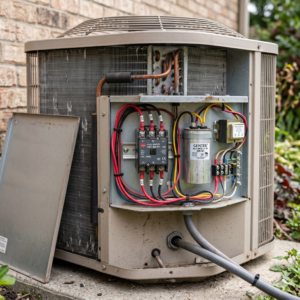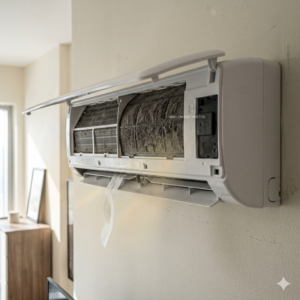





HVAC planning in the UAE is not just about installing an air conditioning system—it is about designing a complete cooling and air quality strategy that can survive extreme heat, humidity, and dust. In this guide, we will break down UAE-specific HVAC design principles, system selection, regulations, and long-term cost considerations.
Table of Contents
ToggleUnderstanding HVAC Planning in UAE Conditions
HVAC planning in the UAE is fundamentally different from many other regions. Outdoor temperatures can exceed 45°C, and humidity levels fluctuate significantly, especially in coastal cities like Dubai and Abu Dhabi.
These conditions mean that HVAC systems are not used occasionally—they operate almost continuously for most of the year. This constant load creates unique design challenges that must be addressed from the planning stage.
Key environmental factors affecting HVAC planning:
- Extreme outdoor heat (up to 50°C peak conditions)
- High humidity causing condensation risks
- Dust and sand infiltration affecting filters and airflow
- Sealed indoor environments with limited ventilation
This is why HVAC planning in the UAE requires a more detailed and technical approach compared to standard designs.
T3 Equipment Standards and High Ambient Design
In the UAE, HVAC equipment must comply with T3 standards. These systems are specifically designed to operate efficiently in high ambient temperatures.
Unlike T1 or T2 systems used in milder climates, T3-rated equipment is built for:
- Higher condenser temperatures
- Continuous operation under heavy load
- Enhanced compressor durability
Using non-T3 equipment in the UAE can result in:
- Poor cooling performance
- Frequent breakdowns
- Reduced system lifespan
This makes T3 selection a non-negotiable part of HVAC planning.
Cooling Load Calculation Beyond Square Footage
One of the most common mistakes in HVAC planning is relying only on square footage. In the UAE, cooling load must be calculated based on multiple variables.
Key Load Factors
- Glazing heat gain from windows
- Building orientation and solar exposure
- Envelope U-values (walls, roof, insulation)
- Internal heat from occupants and equipment
- Air infiltration and ventilation rates
For example, a west-facing apartment with large glass windows will have a much higher cooling load than a shaded unit of the same size.
Accurate load calculation ensures:
- Correct system sizing
- Efficient cooling performance
- Reduced energy consumption
Regulatory Compliance in UAE HVAC Planning
HVAC systems in the UAE must comply with multiple regulatory frameworks.
Al Sa’fat (Dubai Green Building System)
This regulation focuses on sustainability, energy efficiency, and environmental impact.
Estidama (Abu Dhabi)
Estidama emphasizes sustainable building design and energy conservation.
ASHRAE Standards
International standards such as ASHRAE are widely used in UAE HVAC design.
- ASHRAE 55 (thermal comfort)
- ASHRAE 62.1 (ventilation)
- ASHRAE 90.1 (energy efficiency)
Compliance ensures that systems are safe, efficient, and aligned with international best practices.
System Selection Strategy Based on Property Type
1. District Cooling Systems
Common in large developments, district cooling provides chilled water from a central plant.
Advantages:
- High efficiency for large-scale projects
- Reduced maintenance at unit level
Limitations:
- Dependency on external provider
- Limited control at individual unit level
2. Chilled Water Systems
Used in commercial buildings and large villas.
Advantages:
- Scalable and efficient
- Suitable for large spaces
3. VRF (Variable Refrigerant Flow)
Popular for residential and mid-sized commercial properties.
Advantages:
- Flexible zoning
- Energy-efficient operation
4. DX (Direct Expansion) Systems
Common in smaller residential properties.
Advantages:
- Lower initial cost
- Simpler installation
Choosing the right system depends on building size, usage, and budget.
Space Planning and BIM Coordination
HVAC planning must include proper space allocation for system components.
Key Areas to Plan
- Plant rooms
- Mechanical shafts
- Duct routing pathways
- Access panels for maintenance
BIM (Building Information Modeling) plays a critical role in coordinating HVAC systems with architectural and structural elements.
Proper coordination prevents:
- Duct clashes with beams or ceilings
- Insufficient maintenance access
- Installation delays
Indoor Air Quality and Filtration Strategy
Indoor air quality is a major concern in UAE environments due to dust and humidity.
Filtration Levels
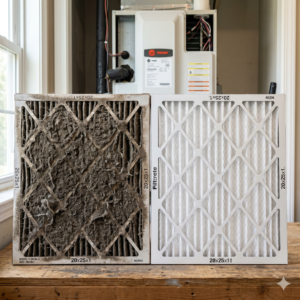
- Pre-filters for large particles
- Fine filters for dust and allergens
- Optional HEPA filters for high-sensitivity environments
Proper filtration helps:
- Reduce dust accumulation
- Improve respiratory health
- Protect HVAC components
Regular maintenance and duct cleaning are essential to maintain air quality.
Humidity Control and Condensation Management
Humidity is a hidden challenge in HVAC planning. When warm humid air meets cold surfaces, condensation forms.
This can lead to:
- Water leakage
- Mold growth
- Material damage
Condensate Drainage Planning
- Proper slope for drainage pipes
- Insulation to prevent condensation
- Regular cleaning of drain lines
Without proper drainage, even a well-designed system can fail.
Financial Planning CAPEX vs OPEX
HVAC planning is not just about installation cost (CAPEX). Long-term operational cost (OPEX) is equally important.
| Factor | CAPEX Focus | OPEX Impact |
|---|---|---|
| System Type | Initial purchase | Energy efficiency |
| Equipment Quality | Higher upfront cost | Lower maintenance cost |
| Design Accuracy | Engineering cost | Reduced energy waste |
Choosing cheaper systems may reduce initial cost but increase long-term expenses.
Common HVAC Planning Mistakes in UAE
- Undersized systems leading to poor cooling
- Ignoring humidity control
- Poor duct design causing airflow issues
- Insufficient filtration
- Lack of maintenance access
These mistakes often result in higher repair costs later, requiring services such as AC repair or system upgrades.
Why Early HVAC Planning Matters
HVAC systems are deeply integrated into building design. Fixing issues after construction is expensive and complex.
Early planning ensures:
- Efficient system layout
- Better energy performance
- Reduced long-term costs
If you are planning or upgrading your HVAC system, addressing these factors early can prevent major issues later. Poor planning can lead to inefficient cooling, indoor air quality problems, and increased operational costs over time. With the right approach, these risks can be minimized. If you need guidance on your HVAC setup or want to understand the best system for your property, you can use the WhatsApp or Call button on the top right to connect with the Bio On Air team and discuss your requirements.
Conclusion
HVAC planning in the UAE requires a detailed approach that considers climate, system design, regulations, and long-term cost. By focusing on proper planning, you can achieve efficient cooling, better air quality, and sustainable performance for years to come.