




Understanding ac setting dry vs cool is important if you live in the UAE and want to stay comfortable without overpaying your DEWA or SEWA bills. Many people use Cool mode all the time, but Dry mode can sometimes give better comfort with lower energy use—especially in humid conditions. This guide explains the real differences, when to use each mode, and how to balance comfort and efficiency.
Table of Contents
ToggleWhat Is Cool Mode in AC
Cool mode is the standard setting most people use. In this mode, your AC focuses on lowering the air temperature to a set level. You choose a temperature (for example 22°C), and the system works continuously to reach and maintain it.
In Cool mode:
- The compressor runs actively to reduce temperature
- The fan speed can be adjusted manually or automatically
- The system prioritizes cooling, not humidity control
This mode is essential during peak UAE summer when temperatures can exceed 40°C.
What Is Dry Mode in AC
Dry mode is designed to reduce humidity in the air rather than aggressively lowering temperature. It removes moisture from indoor air, which can make the room feel cooler even if the actual temperature does not drop significantly.
In Dry mode:
- The compressor runs intermittently (not continuously)
- The fan operates at lower speed
- The system focuses on moisture removal
This is particularly useful in the UAE during humid periods, especially near coastal areas like Dubai and Sharjah.
AC Setting Dry vs Cool Key Differences
| Factor | Cool Mode | Dry Mode |
|---|---|---|
| Primary Function | Lower temperature | Reduce humidity |
| Compressor Behavior | Runs continuously | Runs intermittently |
| Fan Speed | Adjustable / higher | Lower / fixed |
| Energy Consumption | Higher | Lower |
| Comfort Feeling | Cool air | Dry and fresh air |
This comparison shows that both modes serve different purposes, even though they may feel similar at times.
Why Dry Mode Can Feel Cooler
This is one of the most misunderstood aspects of AC usage.
Dry mode removes moisture from the air. When humidity is high, sweat does not evaporate efficiently from your skin. This makes you feel warmer than the actual temperature.
When humidity drops:
- Sweat evaporates faster
- Your body cools naturally
- The room feels more comfortable
This is why Dry mode can feel cooler even if the temperature remains the same.
Humidity and Comfort in UAE Homes
In the UAE, indoor comfort is not only about temperature—it is also about humidity.
Common indoor conditions:
- High humidity due to sealed environments
- Moisture from cooking, showering, and AC condensation
- Limited fresh air circulation
When humidity is high, even 22°C can feel uncomfortable. In these cases, Dry mode can improve comfort without lowering temperature further.
Energy Consumption Impact on DEWA and SEWA Bills
Energy usage is a major concern in UAE households.
Cool mode consumes more electricity because:
- The compressor runs continuously
- The system works harder to maintain low temperature
Dry mode consumes less energy because:
- The compressor cycles on and off
- The system focuses on moisture removal, not full cooling
In moderate conditions, using Dry mode can help reduce electricity consumption and lower your monthly bill.
When to Use Cool Mode in UAE
Cool mode is necessary during:
- Peak summer (June to September)
- Extreme heat above 35–40°C
- Rooms exposed to direct sunlight
In these conditions, Dry mode is not enough to maintain comfort.
When to Use Dry Mode in UAE
Dry mode works best during:
- Humid months (April, May, October)
- Evening or nighttime when temperature drops
- After rain or high outdoor humidity
This is when humidity becomes the main discomfort factor rather than temperature.
Best Settings for Better Sleep
Many people struggle with sleep due to incorrect AC usage.
Recommended approach:
- Start with Cool mode to lower room temperature
- Switch to Dry mode after room is cool
- Use moderate temperature (23–25°C)
This helps maintain comfort without overcooling the room.
Practical Tips to Reduce Electricity Cost
- Avoid setting temperature too low
- Use Dry mode when humidity is high
- Keep doors and windows closed
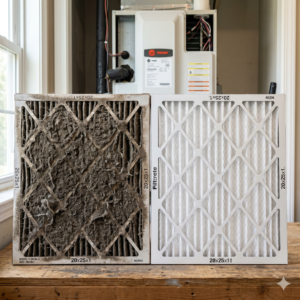
- Clean filters regularly
These simple adjustments can significantly reduce energy usage.
Common Myths About Dry Mode
Myth 1: Dry Mode Does Not Cool
It does not actively cool like Cool mode, but it improves comfort by removing humidity.
Myth 2: Dry Mode Is the Same as Fan Mode
This is incorrect.
- Fan mode only circulates air
- Dry mode removes moisture using the compressor
Myth 3: Dry Mode Always Saves Energy
Dry mode saves energy only in humid conditions. In extreme heat, it may not be effective and can cause discomfort.
How AC Maintenance Affects Mode Performance
Both Dry and Cool modes depend on system condition.
If your AC is not properly maintained:
- Humidity removal becomes less effective
- Cooling performance drops
- Energy consumption increases
This is why regular AC maintenance is essential to ensure both modes work properly.
Balancing Comfort and Energy Efficiency
The best approach is not choosing one mode permanently, but using both strategically.
Recommended balance:
- Use Cool mode for rapid cooling
- Switch to Dry mode for maintenance comfort
- Avoid overcooling
This approach improves comfort while controlling electricity usage.
Signs You Are Using the Wrong Mode
- Room feels cold but uncomfortable → humidity issue
- High electricity bill → overuse of Cool mode
- Sticky air feeling → need Dry mode
These signs help you adjust settings more effectively.
Long-Term Impact of Incorrect Usage
Using the wrong AC mode consistently can lead to:
- Higher energy bills
- Reduced AC lifespan
- Poor indoor air quality
Understanding how to use your AC properly helps avoid these issues.
If you are unsure whether your AC is performing correctly or not delivering the expected comfort, it may not be just about the mode setting. Issues like clogged filters, airflow restrictions, or internal moisture buildup can affect both cooling and humidity control. Over time, this can reduce indoor air quality, increase energy consumption, and put extra strain on your system. Addressing these issues early can prevent larger problems. If you need clarity about your AC condition, you can use the WhatsApp or Call button on the top right to connect with the Bio On Air team and understand the most suitable next step.
Conclusion
Understanding ac setting dry vs cool helps you use your AC more effectively in UAE conditions. By choosing the right mode based on temperature and humidity, you can improve comfort, reduce electricity costs, and extend your AC system lifespan.