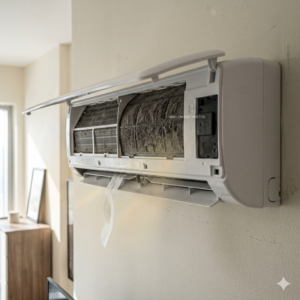





Choosing the right ac setting for winter in the UAE is often misunderstood. Many people assume AC is only for cooling, but during winter months, incorrect settings can lead to high energy bills, indoor humidity problems, and even mold growth. This guide explains the correct modes, temperature settings, system behavior, and practical steps to keep your indoor environment stable and efficient.
Table of Contents
ToggleUnderstanding Winter Conditions in the UAE
Winter in the UAE is mild compared to other countries, but indoor environments behave differently. While outdoor temperatures may feel comfortable, indoor spaces can still experience humidity buildup, condensation, and airflow imbalance.
This happens because:
- AC systems run less frequently
- Windows may be opened, introducing humid air
- Temperature differences between indoor and outdoor surfaces create condensation
Because of this, the goal of AC usage in winter is not just heating or cooling—it is about maintaining balance.
Best AC Modes to Use in Winter
1. Heat Mode (When Temperature Drops)
Heat mode is useful when indoor temperatures become uncomfortable, especially during early mornings or late nights.
Recommended settings:
- Temperature: 22°C – 24°C
- Fan speed: Low to medium
This range provides comfort without excessive energy consumption.
Unlike traditional heaters, AC heat mode uses a heat pump system, which transfers heat rather than generating it. This makes it more energy-efficient than most plug-in heaters.
What to Expect in Heat Mode
- Warm air may take time to start
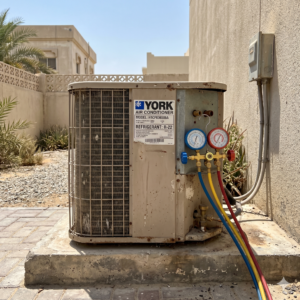
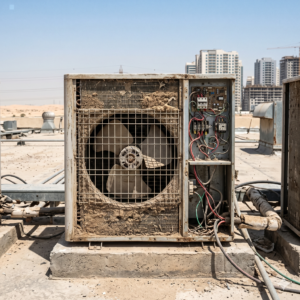
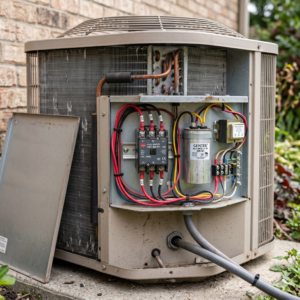
- Outdoor unit may produce steam (normal defrost cycle)
- Airflow may feel less strong than cooling mode
These behaviors are normal and should not be mistaken for faults.
2. Dry Mode (Most Important in UAE Winter)
Dry mode is often the most useful setting during UAE winter, even when temperatures feel comfortable.
It works by removing excess moisture from the air without significant cooling.
Recommended use:
- During humid evenings
- After showering or cooking
- When rooms feel slightly damp
Dry mode helps prevent:
- Condensation on walls and windows
- Mold growth inside rooms and ducts
- Musty odors
This is especially important in apartments where airflow is limited.
3. Fan-Only Mode (Air Circulation)
Fan mode circulates indoor air without heating or cooling.
It is useful for:
- Maintaining airflow
- Reducing stagnant air
- Balancing temperature between rooms
However, fan mode does not remove humidity. It should be used together with dry mode when needed.
Why Auto Mode Is Not Recommended in Winter
Auto mode seems convenient, but it often causes inefficiency in UAE conditions.
Problems with auto mode:
- Frequent switching between heating and cooling
- Inconsistent temperature control
- Higher energy consumption
Manual mode selection gives better control and stability.
Recommended Temperature Settings for Efficiency
| Mode | Recommended Temperature | Purpose |
|---|---|---|
| Heat Mode | 22°C – 24°C | Comfort heating |
| Dry Mode | Auto controlled | Humidity control |
| Fan Mode | No temperature | Air circulation |
Keeping temperatures moderate avoids energy waste and reduces system strain.
Heat Pump vs Space Heater Cost Comparison
| System | Energy Efficiency | Running Cost |
|---|---|---|
| AC Heat Mode | High | Lower |
| Electric Heater | Low | Higher |
Heat pumps are generally more efficient because they move heat instead of generating it.
Using AC heat mode can reduce electricity consumption compared to portable heaters.
How Winter Humidity Causes Mold Risks
Even in winter, indoor humidity can become a hidden problem.
When warm indoor air meets cooler surfaces, condensation forms. This moisture creates ideal conditions for mold growth.
Common problem areas:
- Near windows
- Behind furniture
- Around AC vents
Without proper airflow and humidity control, mold can develop silently.
Why Dry Mode Is Critical for Mold Prevention
Dry mode helps maintain balanced humidity levels.
Benefits include:
- Prevents condensation buildup
- Reduces mold risk
- Improves indoor air quality
Using dry mode regularly during winter can significantly reduce long-term air quality issues.
System Differences in UAE Homes
Split and VRF Systems
These systems allow full control over modes such as heat, cool, and dry.
District Cooling / Chiller Systems
These systems typically do not support heating mode.
In such cases:
- Dry mode or fan mode is often used
- Heating may require external solutions
Understanding your system type helps you choose the correct settings.
Understanding Defrost Cycles in Heating Mode
When using heat mode, you may notice the AC temporarily stops heating. This is part of the defrost cycle.
What happens:
- Outdoor unit removes ice buildup
- Indoor airflow may pause briefly
- Steam or water may be visible outside
This is normal and necessary for system performance.
Winter Shutdown Checklist for AC Systems
If you plan to reduce AC usage during winter, proper preparation is important.
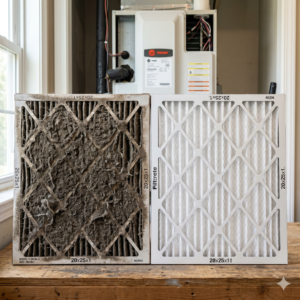
- Clean air filters
- Ensure drain lines are clear
- Check for standing water in drain pans
- Run dry mode before shutdown to remove moisture
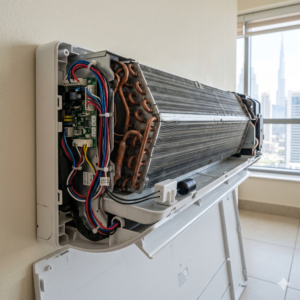
- Inspect vents for dust buildup
These steps help prevent problems when restarting the system in summer.
Common Mistakes in Winter AC Usage
| Mistake | Impact |
|---|---|
| Turning off AC completely | Humidity buildup |
| Using auto mode | Inefficiency |
| Ignoring airflow | Uneven temperature |
| Skipping maintenance | System issues later |
Long-Term Benefits of Proper Winter Settings
- Stable indoor comfort
- Lower energy bills
- Reduced mold risk
- Better AC performance in summer
Using the correct settings ensures your system remains efficient year-round.
Connecting Winter Settings with System Health
Many AC issues seen in summer actually start during winter. Moisture buildup, blocked drains, and lack of airflow can develop slowly when the system is not used correctly.
Proper winter usage helps maintain system health and reduces the chance of unexpected breakdowns.
If you are unsure about the correct AC setting for winter or notice signs like humidity, odor, or weak airflow, it is important to address it early. Indoor moisture and airflow issues can quietly affect air quality, increase energy consumption, and lead to more serious AC problems over time. Taking action early helps maintain comfort and system efficiency. If you need guidance, you can use the WhatsApp or Call button on the top right to connect with the Bio On Air team and understand the best setup for your AC system.
Conclusion
The right ac setting for winter in the UAE is not about turning the system off, but about using it correctly. By choosing the right mode, maintaining proper temperature, and managing humidity, you can improve comfort, protect your AC system, and maintain healthy indoor air throughout the season.