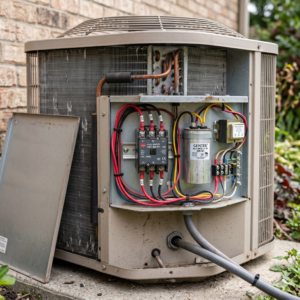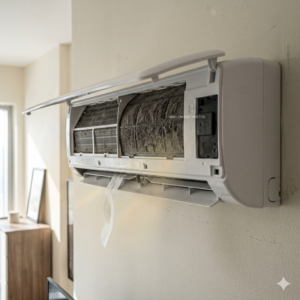





A proper system for cleaning house is not just about tools or routine—it is a structured approach that combines method, equipment, and consistency. In the UAE, where dust, heat, and AC usage constantly affect indoor air and surfaces, having the right system is essential to maintain cleanliness, protect materials, and reduce long-term maintenance issues.
Table of Contents
ToggleWhat Does a System for Cleaning House Really Mean
Many people think cleaning is simply about wiping surfaces or vacuuming floors. In reality, a cleaning system is a structured combination of three key elements:
- Standardized methods (SOPs) — step-by-step cleaning process
- Specialized equipment — tools designed for different surfaces
- Smart automation — technology that maintains daily cleanliness
Without a system, cleaning becomes inconsistent. Some areas get over-cleaned, while others—like air vents or hidden corners—are ignored, allowing dust and allergens to build up over time.
Why Cleaning Systems Are Different in the UAE
Cleaning in the UAE is fundamentally different from other regions. The environment itself creates unique challenges that require a structured approach.
1. Desert Micro-Sand Accumulation
Fine dust particles from the desert constantly enter homes, even in sealed apartments. These particles are extremely small and can settle on every surface, including inside furniture, fabrics, and AC systems.
2. AC-Driven Dust Circulation
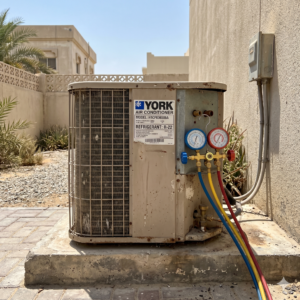
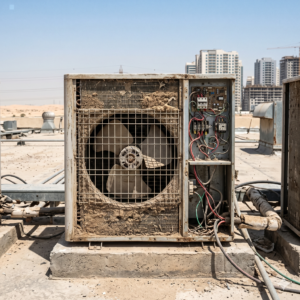
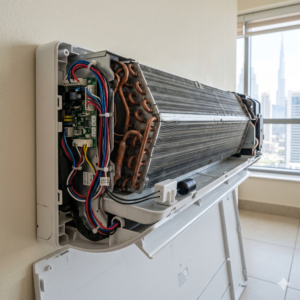
Air conditioning systems run almost continuously in the UAE. If ducts or filters are not clean, they redistribute dust across the house, making it seem like cleaning has no lasting effect.
3. Closed Indoor Environments
Windows are often kept closed to maintain cooling efficiency. This reduces ventilation and allows dust, moisture, and contaminants to accumulate indoors.
This is why a random cleaning routine is not enough. A structured system ensures dust is removed effectively and not simply redistributed.
Top-Down Cleaning Protocol Explained
A professional cleaning system always follows a top-down approach. This ensures that dust is removed efficiently without recontaminating cleaned areas.
Step 1: Start from Air Vents and Upper Surfaces
Dust naturally settles from above. Cleaning must begin with:
- AC vents and diffusers
- Ceiling corners
- Light fixtures
- Cabinets and shelves
If you clean floors first, dust from above will fall back down, undoing your work.
Step 2: Clean Walls and Vertical Surfaces
Walls collect fine dust that is often invisible. A dry microfiber cloth or light vacuuming helps remove this layer without spreading particles.
Step 3: Furniture and Mid-Level Surfaces
This includes:
- Tables
- Sofas
- Appliances
Always use appropriate materials depending on the surface to avoid damage.
Step 4: Floors Last
Floors should always be cleaned last, after all dust from above has been removed.
Dry Vacuum Before Mop Rule
One of the most important principles in a cleaning system is to vacuum before mopping.
Why this matters:
- Dry dust turns into sticky residue when mixed with water
- Micro-sand can scratch marble or porcelain surfaces
- Mopping without vacuuming spreads dirt instead of removing it
This is especially critical in UAE homes where dust particles are fine and abrasive.
Choosing the Right Vacuum System
Not all vacuums perform equally, especially when dealing with fine desert dust.
Traditional Dry Filter Vacuum
- Uses bag or HEPA filter
- Good for general cleaning
- May release fine dust back into air if filter quality is low
Water Filtration Vacuum System
- Uses water to trap dust particles
- Better for fine dust and allergens
- Reduces airborne particle redistribution
For UAE conditions, water filtration systems are often more effective because they capture ultra-fine particles that traditional vacuums may miss.
Smart Cleaning Automation for Daily Maintenance
A modern cleaning system includes automation tools that maintain cleanliness between deep cleaning sessions.
Robot Vacuum
- Runs daily to collect dust
- Prevents buildup on floors
- Reduces manual cleaning frequency
Robot Mop
- Maintains floor cleanliness
- Useful for light maintenance
- Not a replacement for deep cleaning
These tools are not complete solutions, but they help maintain baseline cleanliness in high-dust environments.
Structured Maid Cleaning System
For households using cleaning staff, having a structured system ensures consistency and quality.
Color-Coded Microfiber System
- Blue: general surfaces
- Red: bathrooms
- Green: kitchen
- Yellow: delicate surfaces
This prevents cross-contamination between areas.
Room-by-Room Cleaning Pattern
Each room should follow a consistent pattern:
- Top to bottom
- Left to right or clockwise
- No random movement
This ensures no area is missed.
Floor-Specific Cleaning System
Marble Floors
- Use pH-neutral cleaners
- Avoid acidic solutions
- Use soft microfiber mops
Porcelain Tiles
- More resistant to chemicals
- Still requires proper vacuuming before mopping
- Use non-abrasive tools
Incorrect cleaning methods can cause permanent surface damage over time.
Preventing Dust Recurrence
A cleaning system is not just about removing dust—it is about preventing it from returning quickly.
Key Prevention Strategies
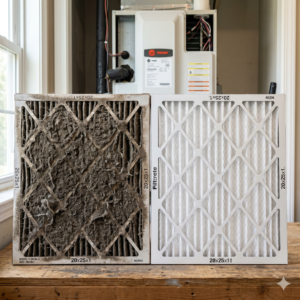
- Regular AC filter cleaning
- Periodic duct cleaning
- Using air purifiers
- Sealing gaps around windows and doors
For deeper air system issues, understanding how AC duct cleaning works helps reduce indoor dust circulation.
Common Mistakes in Home Cleaning Systems
| Mistake | Impact |
|---|---|
| Mopping before vacuuming | Spreads dirt and damages floors |
| Ignoring air vents | Dust keeps circulating |
| Using wrong chemicals | Surface damage over time |
| Inconsistent cleaning pattern | Missed areas and uneven results |
How Often Should You Follow a Full Cleaning System
- Daily: light cleaning or robot vacuum
- Weekly: full surface cleaning
- Monthly: deep cleaning focus areas
- Every 6–12 months: AC and duct cleaning
This structured schedule ensures long-term cleanliness.
Long-Term Benefits of a Proper Cleaning System
- Improved indoor air quality
- Reduced allergens and dust
- Better AC efficiency
- Longer lifespan of furniture and surfaces
A structured cleaning system is not just about appearance—it directly impacts comfort and health.
If you are noticing that dust returns quickly even after cleaning, it may not be a surface issue but a system issue. In UAE homes, airflow, hidden dust sources, and improper cleaning methods can silently affect indoor air quality and AC efficiency. Addressing these factors early helps prevent long-term buildup, surface damage, and unnecessary energy usage. If you need clarity on how your current cleaning approach or AC system may be affecting your home environment, you can use the WhatsApp or Call button on the top right to connect with the Bio On Air team and understand the most suitable next step.
Conclusion
A proper system for cleaning house combines method, equipment, and consistency. In the UAE, where dust and AC usage play a major role, having a structured approach helps maintain cleanliness, protect surfaces, and improve overall indoor air quality.