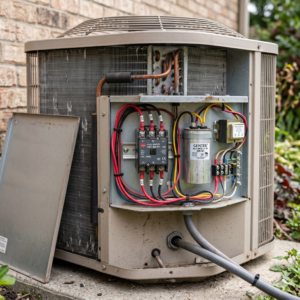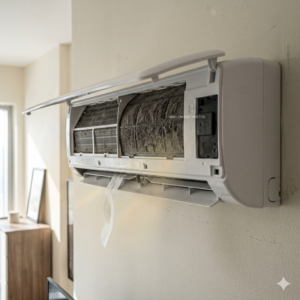





The hvac system lifespan in the UAE is often shorter than global averages due to extreme heat, dust, and continuous AC usage. Understanding how long different systems last—and how to extend their life—helps you avoid sudden failures, high electricity bills, and costly replacements.
Table of Contents
ToggleWhat Is the Average HVAC System Lifespan
Globally, HVAC systems are designed to last between 10 to 20 years depending on the type and usage. However, in the UAE, real-world lifespan is often reduced due to environmental stress.
| System Type | Global Lifespan | UAE Realistic Lifespan |
|---|---|---|
| Split AC | 10 – 15 years | 6 – 10 years |
| Ducted AC | 12 – 18 years | 8 – 12 years |
| VRF / VRV Systems | 15 – 20 years | 10 – 15 years |
| Chiller Systems | 20 – 30 years | 15 – 25 years |
The difference comes mainly from climate conditions and usage intensity.
Why HVAC Systems Wear Faster in the UAE
Extreme Heat Load
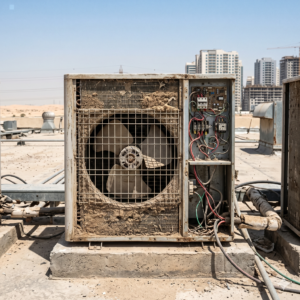
In many UAE regions, outdoor temperatures can exceed 45°C. This forces AC systems to run almost continuously, especially during summer months.
Unlike cooler climates where systems cycle on and off, UAE systems operate for extended hours, increasing wear on compressors and electrical components.
Dust and Sand Accumulation
Fine sand particles are a major issue. They accumulate in:
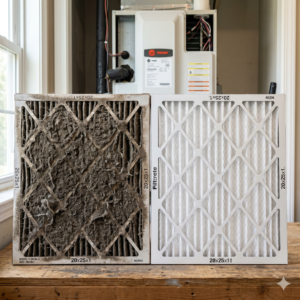
- Air filters
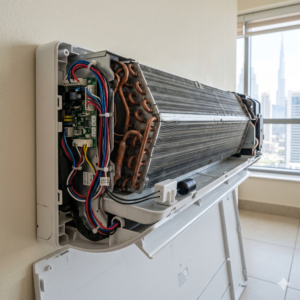
- Cooling coils
- Duct systems
This restricts airflow and forces the system to work harder, reducing lifespan.
Humidity and Condensation
Coastal areas like Dubai and Sharjah experience high humidity. When warm humid air meets cold AC surfaces, condensation forms.
This can lead to:
- Corrosion of metal components
- Mold growth in ducts
- Drainage issues
Continuous Usage
In many homes, AC systems run 24/7 for most of the year. This constant operation accelerates mechanical wear.
HVAC Lifespan by System Type
Split AC Systems
Split AC units are common in apartments. They are cost-effective but tend to have shorter lifespans due to smaller components and higher usage intensity.
Key lifespan factors:
- Filter maintenance frequency
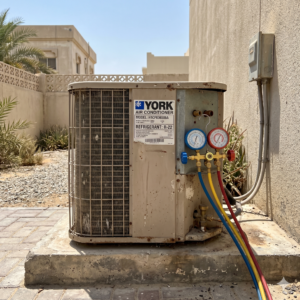
- Outdoor unit exposure to heat
- Refrigerant system health
Ducted AC Systems
Ducted systems provide centralized cooling but require proper airflow maintenance.
Without regular duct cleaning and maintenance, dust buildup can reduce efficiency and strain the system.
VRF / VRV Systems
These systems are designed for large buildings and offer advanced efficiency. However, they are sensitive to installation quality and maintenance.
Improper servicing can significantly shorten their lifespan.
Chiller Systems
Chillers are used in commercial and large residential setups. They have the longest lifespan but require professional management.
Neglecting maintenance can lead to expensive repairs or early replacement.
Key Signs Your HVAC System Is Near End of Life
1. Rising Electricity Bills
If your electricity bills increase without a change in usage, your system may be losing efficiency.
2. Short Cycling
Frequent on-off cycles indicate internal issues such as compressor strain or thermostat problems.
3. Uneven Cooling
If some rooms are colder than others, airflow issues or duct problems may be present.
4. Frequent Repairs
Repeated breakdowns are a strong sign that the system is nearing the end of its lifespan.
5. Weak Airflow
This may indicate clogged ducts, failing fans, or internal damage.
Repair vs Replace Decision Guide
One of the most important decisions is whether to repair or replace your HVAC system.
| Condition | Recommended Action |
|---|---|
| System under 5 years | Repair |
| 5–10 years with minor issues | Repair with monitoring |
| 10+ years with major issues | Consider replacement |
| Frequent breakdowns | Replace |
A common rule is: if repair cost exceeds 30–40% of a new system, replacement may be more cost-effective.
Impact of R22 Phase-Out on Older Systems
Older HVAC systems often use R22 refrigerant, which is being phased out globally.
This affects lifespan because:
- R22 is becoming expensive and hard to find
- Repairs involving refrigerant are costly
- Older systems become less practical to maintain
If your system uses R22, replacement may be a better long-term solution.
Maintenance Practices That Extend HVAC Lifespan
Regular Filter Cleaning
Dirty filters reduce airflow and increase system strain. Cleaning them regularly improves efficiency.
Professional Maintenance
Routine AC maintenance programs help identify issues early and prevent major failures.
Duct Cleaning
Cleaning ducts removes dust and improves airflow, reducing system load.
Coil Cleaning
Clean coils improve heat exchange and reduce energy consumption.
Refrigerant Check
Proper refrigerant levels ensure efficient cooling and prevent compressor damage.
How Environment Directly Impacts System Lifespan
In the UAE, environment plays a bigger role than usage alone.
- High heat increases compressor stress
- Dust reduces airflow efficiency
- Humidity accelerates corrosion
This combination makes preventive maintenance essential.
How to Extend HVAC System Lifespan in UAE Conditions
- Schedule regular inspections
- Clean filters monthly
- Perform duct cleaning every 1–2 years
- Address small issues early
- Use proper thermostat settings
These steps can significantly extend system life and reduce long-term costs.
The Real Cost of Ignoring HVAC Lifespan
Ignoring system wear can lead to:
- Sudden system failure
- High repair costs
- Increased electricity bills
- Poor indoor air quality
Understanding lifespan helps you plan ahead instead of reacting to emergencies.
If your HVAC system is showing signs of aging or reduced performance, it is important to address it early rather than waiting for a complete breakdown. Issues like airflow restriction, internal wear, or hidden contamination can reduce efficiency, increase energy costs, and affect indoor air quality over time. With proper assessment and timely action, many of these problems can be managed before they become serious. If you need clarity about your system condition or whether repair or replacement is the right step, you can use the WhatsApp or Call button on the top right to connect with the Bio On Air team and understand the most suitable next step.
Conclusion
The hvac system lifespan in the UAE is influenced heavily by climate, usage, and maintenance. By understanding realistic lifespan expectations and taking preventive action, you can extend system life, reduce costs, and maintain a comfortable indoor environment.