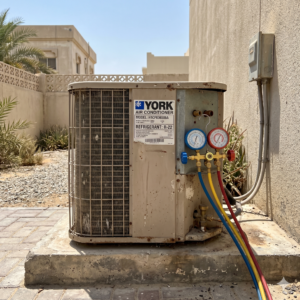





Understanding central ac unit lifespan in the UAE is essential if you want to avoid sudden breakdowns, control long-term costs, and maintain reliable cooling. In Dubai and across the Emirates, AC systems operate under extreme heat, humidity, and dust, which significantly affects how long they actually last.
Table of Contents
ToggleWhat Is the Real Central AC Unit Lifespan in UAE
In standard global conditions, central AC systems are often expected to last around 12–20 years. However, in the UAE, this expectation is very different.
Due to extreme climate conditions, the realistic lifespan is typically:
| System Condition | Expected Lifespan |
|---|---|
| Well-maintained system | 10 – 15 years |
| Moderately maintained | 7 – 12 years |
| Poor maintenance | 5 – 8 years |
Note: These estimates reflect UAE operating conditions and may vary depending on usage, location, and system type.
Unlike cooler climates, AC systems in the UAE run almost continuously for most of the year. This constant workload accelerates wear and reduces lifespan.
Why AC Lifespan Is Shorter in Dubai and UAE
There are several environmental and operational reasons why central AC units wear out faster in the UAE.
1. Extreme Heat
Outdoor temperatures often exceed 40°C. This forces the AC compressor to work harder and longer, increasing stress on key components.
2. Continuous Operation
In many homes and buildings, AC systems run 24/7 for months. This reduces rest cycles and speeds up mechanical wear.
3. High Humidity
Coastal cities like Dubai and Sharjah experience high humidity, which leads to condensation and internal moisture buildup.
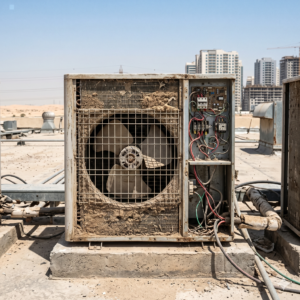
4. Dust and Sand
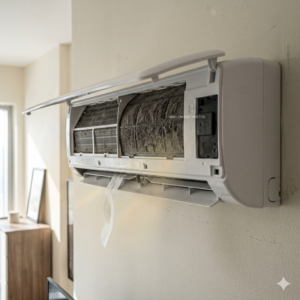
Desert dust accumulates quickly in filters, coils, and ducts. Without proper cleaning, airflow is restricted and efficiency drops.
5. Salt Corrosion (Coastal Areas)
Properties near the sea face an additional challenge: salt in the air. This accelerates corrosion of metal components, especially outdoor units.
Central AC Lifespan by System Type
Different types of AC systems have different lifespans, especially in UAE conditions.
| System Type | Typical Lifespan (UAE) | Notes |
|---|---|---|
| Rooftop Package Unit | 8 – 12 years | Exposed to sun and heat directly |
| Split Ducted System | 10 – 15 years | Common in villas and apartments |
| VRF / VRV System | 12 – 18 years | Advanced systems with variable control |
| Chiller + FCU System | 15 – 25 years | Used in large buildings and commercial spaces |
Systems with better design and load management tend to last longer, especially when properly maintained.
Major Causes of AC Failure in UAE
1. Salt Corrosion
In coastal areas, salt accelerates corrosion of coils and outdoor units. Over time, this leads to leaks and reduced efficiency.
2. Dust Buildup
Dust blocks airflow and coats coils, forcing the system to work harder and overheat.
3. Blocked Condensate Drain
Condensate drains can become clogged due to dust and algae, leading to water leakage and system shutdown.
4. Refrigerant Issues
Leaks or improper gas levels reduce cooling efficiency and strain the compressor.
5. Electrical Component Wear
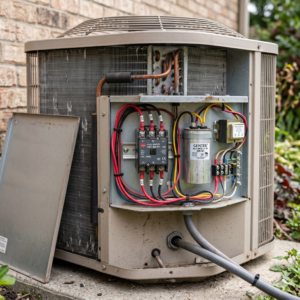
Continuous operation causes capacitors, contactors, and wiring to degrade over time.
How Running Hours Affect Lifespan
One of the biggest differences between UAE and other regions is annual running time.
| Region | Estimated Annual Usage |
|---|---|
| Cooler climates | 800 – 1,500 hours |
| UAE | 3,000 – 5,000+ hours |
This means AC systems in the UAE experience 2–3 times more usage, which directly reduces lifespan.
R-22 Systems and Lifespan Considerations
Older AC systems using R-22 refrigerant face additional challenges.
- R-22 is being phased out globally
- Refill cost is higher and less available
- Older systems are less energy efficient
If your system still uses R-22, replacement is often more practical than long-term repair.
Repair vs Replace Decision Guide
One of the most common questions is whether to repair or replace an aging AC unit.
A simple rule of thumb:
- If repair cost exceeds 30–40% of a new unit → consider replacement
- If system is older than 10–12 years → replacement is often more cost-effective
- If breakdowns are frequent → replacement is more reliable
Short-term repair may seem cheaper, but repeated fixes can cost more over time.
Maintenance Required to Reach Maximum Lifespan
Without proper maintenance, even high-quality AC systems will fail early in the UAE.
Essential Maintenance Practices
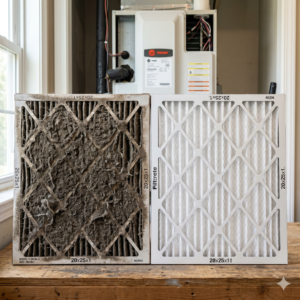
- Regular filter cleaning (every 1–2 months)
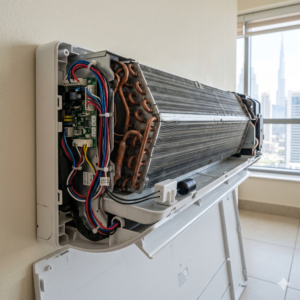
- Coil cleaning to remove dust buildup
- Checking refrigerant levels
- Clearing condensate drains
- Inspecting electrical components
Professional servicing such as AC maintenance planning helps maintain system performance and extend lifespan.
Impact of Poor Maintenance on Lifespan
Neglecting maintenance leads to:
- Reduced airflow
- Higher energy consumption
- Overheating components
- Frequent breakdowns
This can shorten lifespan by several years.
Signs Your Central AC Is Near End of Life
- Frequent repairs needed
- Weak cooling performance
- Unusual noises or vibrations
- High electricity bills
- System struggles during peak heat
These signs indicate that the system is no longer operating efficiently.
How to Extend Central AC Lifespan in UAE
While climate conditions cannot be changed, proper care can significantly extend lifespan.
- Schedule regular maintenance
- Keep filters clean
- Ensure proper airflow
- Fix small issues early
- Protect outdoor units from direct exposure where possible
Long-Term Cost Perspective
The lifespan of your AC system directly affects long-term costs.
A well-maintained system:
- Reduces repair expenses
- Maintains energy efficiency
- Delays replacement costs
A poorly maintained system leads to higher bills and earlier replacement.
Why Lifespan Planning Matters in UAE
In the UAE, AC is not a luxury—it is essential for daily comfort and safety.
Planning for system lifespan helps you:
- Avoid unexpected breakdowns
- Budget for replacement in advance
- Maintain indoor air quality
If your AC system is aging or showing signs of reduced performance, it is important to assess its condition early. Problems such as airflow restriction, internal wear, or hidden damage can gradually reduce cooling efficiency, increase energy consumption, and lead to more expensive repairs or sudden failure. Addressing these issues at the right time helps maintain comfort and system reliability. If you need guidance on whether to repair or replace your system, you can use the WhatsApp or Call button on the top right to connect with the Bio On Air team and understand the most suitable next step based on your AC condition.
Conclusion
The central ac unit lifespan in the UAE is shorter than global averages due to extreme heat, dust, and continuous operation. However, with proper maintenance and timely decisions, you can maximize system performance, extend lifespan, and avoid unnecessary costs while maintaining a comfortable indoor environment.