




If your ac making noise when off, it can feel confusing or even worrying. In many UAE homes, certain sounds after shutdown are normal, while others signal electrical or mechanical issues. This guide helps you identify each noise type, understand the cause, and decide what action is actually needed.
Table of Contents
ToggleWhy AC Makes Noise Even When Turned Off
Many people assume that once the AC is off, everything inside the system stops immediately. In reality, modern AC systems—especially in UAE apartments and villas—continue certain internal processes after shutdown.
These include:
- Pressure equalization inside refrigerant lines
- Condensate drainage and pump operation
- Thermal expansion and contraction of ducts
- Residual airflow or damper movement
This means some sounds are completely normal. The key is knowing which ones are harmless and which require attention.
Sound-Based Diagnostic Guide for AC Noise When Off
The easiest way to understand the problem is by identifying the type of sound. Each sound usually points to a specific cause.
Buzzing Noise After AC Turns Off
A buzzing sound is one of the most commonly reported issues.
Possible Causes
- Electrical components still energized
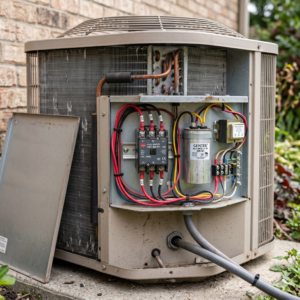
- Failing contactor relay
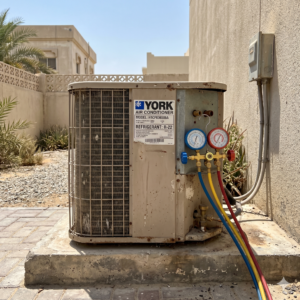
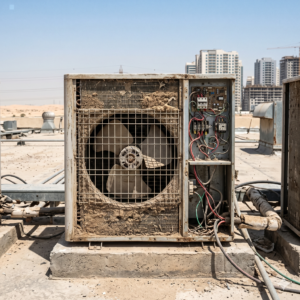
- Loose wiring inside outdoor unit
Is It Normal or Dangerous?
This is not always normal. A short, fading buzz may be harmless, but continuous buzzing after shutdown often indicates an electrical issue.
What You Should Do
- If the sound continues for more than a few minutes, turn off the main isolator
- Avoid restarting the system repeatedly
- Seek professional inspection if buzzing persists
Persistent electrical noise should not be ignored, as it can lead to component damage or overheating.
Humming Sound When AC Is Off
A low humming sound is often confused with buzzing but is usually softer and more consistent.
Possible Causes
- Transformer or control board still powered
- Capacitor slowly discharging
- Standby electrical load
Normal or Not?
A light hum for a short duration can be normal. However, if the sound continues indefinitely, it may indicate electrical inefficiency or component wear.
Slamming or Thudding Noise
This is one of the most alarming sounds homeowners experience.
Possible Causes
- Loose internal components
- Duct dampers closing suddenly
- Air pressure imbalance
UAE Context
In villas, larger duct systems often create pressure shifts when the AC turns off. This can cause dampers to close with a “thud” sound.
When to Worry
- Repeated loud slamming is not normal
- May indicate structural or airflow issues
Popping or Cracking Sounds
These sounds are usually sharp and irregular.
Possible Causes
- Duct expansion and contraction
- Temperature changes in metal components
Normal or Not?
This is generally normal, especially in UAE environments where temperature differences are extreme.
When AC shuts off, ducts cool or warm rapidly, causing expansion or contraction sounds.
Hissing Noise After Shutdown
Hissing can be subtle but should not be ignored.
Possible Causes
- Refrigerant pressure equalization (normal)
- Refrigerant leak (problematic)
How to Tell the Difference
- Short hissing (a few seconds): normal
- Continuous hissing: possible leak
If the sound persists, professional inspection is necessary. Refrigerant issues can affect both performance and safety.
Gurgling or Water-Like Sounds
This sound often resembles water flowing or bubbling.
Possible Causes
- Condensate drain movement
- Water flowing through pipes
- Air trapped in drainage system
Normal or Not?
Usually normal, especially right after shutdown.
However, if combined with leakage or odor, it may indicate drainage blockage.
Apartment-Specific AC Noise Causes
AC systems in apartments behave differently compared to villas.
Common Apartment Issues
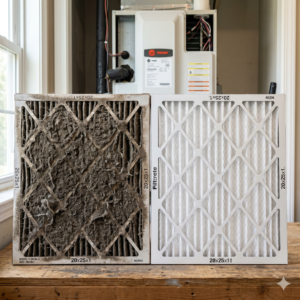
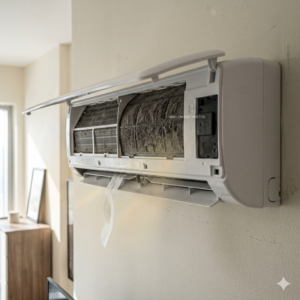
- Air filter dropping or shifting after airflow stops
- Light duct popping due to compact design
- Shared duct vibration from neighboring units
Apartment AC systems are more compact, so even small movements can produce noticeable sound.
Villa-Specific AC Noise Causes
Villas typically have larger and more complex systems.
Common Villa Issues
- Duct expansion due to temperature differences
- Damper movement in multi-zone systems
- Air pressure shifts across multiple rooms
These sounds are more noticeable because of the scale of the system.
Normal vs Dangerous AC Noises
| Sound Type | Normal | Needs Attention |
|---|---|---|
| Popping / cracking | Yes | No |
| Short hissing | Yes | No |
| Gurgling | Yes | Sometimes |
| Continuous buzzing | No | Yes |
| Loud slamming | No | Yes |
When You Should Turn Off the Main Power
Some situations require immediate action.
Turn off the main isolator if you notice:
- Continuous buzzing or humming
- Burning smell
- Repeated loud slamming
- Electrical clicking that does not stop
This prevents potential damage or safety risks.
When to Call Professional HVAC Service
You should seek professional help if:
- The noise continues after multiple cycles
- The sound is getting louder over time
- Cooling performance is affected
- You suspect electrical or refrigerant issues
Many of these problems are linked to internal components that require proper inspection. Understanding how AC repair is properly handled can help you avoid temporary fixes that don’t solve the root issue.
Common Misconceptions About AC Noise
Many homeowners misunderstand AC sounds.
- Not all noises mean damage
- Silent AC does not always mean healthy AC
- Small issues can become major problems if ignored
Understanding sound patterns helps you take the right action.
How to Prevent AC Noise Issues
Prevention is always better than repair.
- Clean filters regularly
- Schedule periodic maintenance
- Monitor unusual sounds early
- Ensure proper airflow in all rooms
Regular maintenance reduces both noise and system wear.
Why AC Noise Should Not Be Ignored
Even if the AC is off, internal processes and components may still be active. Ignoring unusual noise can lead to:
- Electrical failure
- Compressor damage
- Reduced system lifespan
- Poor indoor air quality
Early attention prevents larger problems later.
Practical UAE-Specific Advice
Due to high usage in UAE homes, AC systems experience more stress than in many other regions.
- Continuous operation increases wear
- Dust accumulation affects airflow
- Humidity creates pressure and condensation issues
This makes it even more important to understand unusual sounds and respond early.
If your AC is making noise even when turned off, it’s important not to dismiss it without understanding the cause. Some sounds are harmless, but others may indicate electrical faults, pressure imbalance, or internal damage that can worsen over time. Ignoring these signs can lead to reduced air quality, higher energy usage, and more expensive repairs later. Addressing the issue early allows you to maintain both safety and performance. If you are unsure about the noise or want a proper assessment, you can use the WhatsApp or Call button on the top right to connect with the Bio On Air team and understand the most suitable next step for your system.
Conclusion
AC making noise when off can be either normal or a sign of a deeper issue. By identifying the type of sound and understanding its cause, you can decide whether to monitor, take action, or call for professional help. Early attention ensures better safety, efficiency, and long-term performance of your AC system.