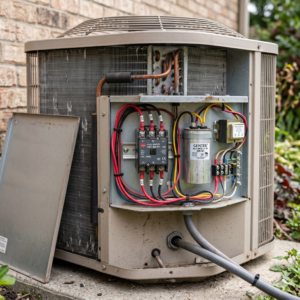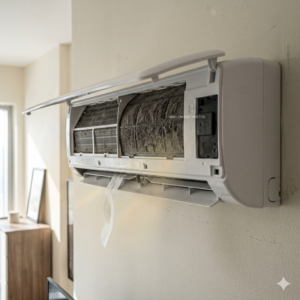





If you are searching about noise ac in your home, it usually means your AC has started making unusual sounds. In the UAE, this is not something to ignore. Different noises often point to specific internal problems, and understanding them early can prevent serious damage, higher costs, and poor indoor air quality.
Table of Contents
ToggleWhy AC Noise Should Never Be Ignored
An AC system is designed to operate with minimal sound. A soft airflow or light hum is normal, but any sudden or unusual noise is a signal that something inside the system is under stress, loose, or failing.
In UAE conditions, where AC systems run for long hours in extreme heat, small issues can quickly become major failures. A minor vibration today can become a broken component tomorrow.
This guide will help you map each sound to its mechanical cause, understand where it is coming from, evaluate risk levels, and decide what you can safely check versus when to stop and call a professional.
AC Noise Diagnostic Matrix Based on Sound Type
Buzzing or Humming Noise
Typical Cause: Electrical issues
A buzzing sound is one of the most common AC noises. It is often linked to electrical components struggling to function properly.
Possible causes include:
- Failing capacitor
- Loose wiring or connections
- Faulty contactor relay
- Compressor electrical strain
Where It Happens:
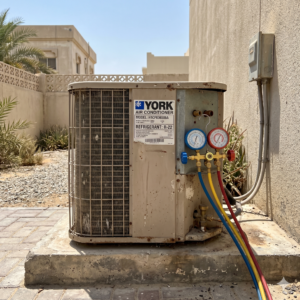
- Outdoor condenser unit
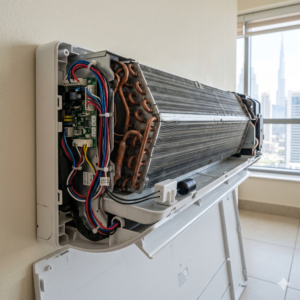
- Electrical panel inside indoor unit
UAE-Specific Trigger:
Extreme heat puts additional stress on electrical components, especially capacitors, which degrade faster in high temperatures.
Threat Level: Medium to High
Warning: If buzzing becomes loud or is accompanied by burning smell, turn off the AC immediately.
Estimated Cost Impact:
- Capacitor replacement: moderate cost
- Electrical repair: moderate to high depending on damage
Banging or Clanking Noise
Typical Cause: Loose or broken internal components
This is a heavy, metallic sound that indicates something inside the unit is physically hitting other parts.
Common causes:
- Loose blower fan
- Broken compressor components
- Detached internal parts
Where It Happens:
- Indoor unit (blower assembly)
- Outdoor compressor unit
UAE-Specific Trigger:
Constant vibration combined with dust accumulation can loosen screws and internal mounts over time.
Threat Level: High
Warning: Shut off immediately. Continued operation can cause catastrophic damage.
Estimated Cost Impact:
- Minor part tightening: low cost
- Compressor damage: very high cost
Grinding Noise
Typical Cause: Worn motor bearings
Grinding sounds indicate internal friction. This usually comes from motor components that have lost lubrication or are worn out.
Possible sources:
- Blower motor bearings
- Fan motor wear
Where It Happens:
- Indoor unit (blower motor)
- Outdoor fan motor
UAE-Specific Trigger:
Continuous operation in high heat accelerates wear and reduces lubrication lifespan.
Threat Level: High
Warning: Turn off immediately to avoid motor seizure.
Estimated Cost Impact:
- Bearing replacement: moderate cost
- Motor replacement: higher cost
Hissing Noise
Typical Cause: Refrigerant leak
A hissing sound often indicates gas escaping from the system.
Common causes:
- Refrigerant line leak
- Valve leakage
- Cracked tubing
Where It Happens:
- Indoor evaporator coil
- Refrigerant piping
- Outdoor condenser
UAE-Specific Trigger:
High pressure and temperature fluctuations increase stress on refrigerant lines.
Threat Level: High
Warning: Turn off immediately. Refrigerant leaks reduce cooling and can damage the compressor.
Estimated Cost Impact:
- Leak repair: moderate cost
- Gas refill: additional cost
Proper handling of such issues is part of structured AC repair services that focus on identifying leaks before refilling.
Gurgling or Bubbling Noise
Typical Cause: Condensate drainage issues
This sound is caused by water not draining properly from the system.
Possible causes:
- Clogged drain pipe
- Improper installation slope
- Air trapped in drainage line
Where It Happens:
- Indoor unit
- Drainage piping
UAE-Specific Trigger:
Humidity combined with dust leads to sludge buildup inside drain lines.
Threat Level: Low to Medium
Warning: If water leakage is visible, turn off and inspect.
Estimated Cost Impact:
- Drain cleaning: low cost
- Pipe replacement: moderate cost
Rattling Noise
Typical Cause: Loose parts or debris
Rattling sounds usually come from something moving freely inside or around the unit.
Common causes:
- Loose screws or panels
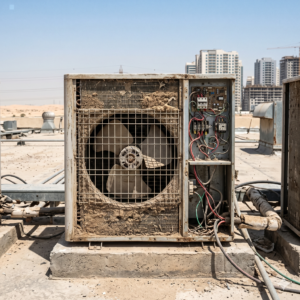
- Debris inside outdoor unit
- Worn mounting brackets
Where It Happens:
- Outdoor condenser
- Indoor casing
UAE-Specific Trigger:
Sand and debris entering outdoor units during wind conditions.
Threat Level: Low to Medium
Warning: Safe to inspect externally, but avoid opening internal components.
Estimated Cost Impact:
- Cleaning and tightening: low cost
Location-Based AC Noise Diagnosis
Indoor Unit Noise
- Grinding → blower motor
- Gurgling → drainage issue
- Hissing → evaporator leak
Outdoor Unit Noise
- Buzzing → electrical components
- Rattling → debris or loose parts
- Banging → compressor issue
Central Duct System Noise
- Whistling → airflow restriction
- Booming → pressure imbalance
- Vibration → loose duct connections
In high-rise UAE buildings, duct pressure differences can amplify noise, especially during peak cooling hours.
UAE Environmental Factors That Cause AC Noise
1. Sand and Dust Infiltration
Fine particles enter outdoor units and duct systems, causing friction, blockage, and imbalance.
2. Extreme Heat Fatigue
Continuous high temperatures weaken electrical and mechanical components.
3. High Humidity
Leads to condensation, corrosion, and drainage issues.
4. High-Rise Pressure Variations
Airflow pressure differences can create unusual duct noises.
Safe DIY Checks vs Professional Repairs
Safe DIY Checks
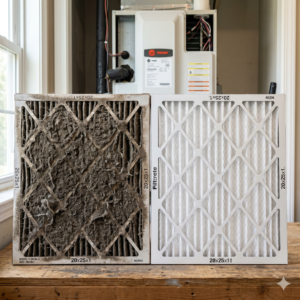
- Check and clean air filters
- Remove visible debris from outdoor unit
- Ensure vents are not blocked
Do NOT Attempt
- Electrical repairs
- Refrigerant handling
- Internal motor inspection
These tasks require professional tools and training.
When to Shut Off Your AC Immediately
- Loud banging or metal noise
- Burning smell with buzzing
- Grinding sound
- Hissing with reduced cooling
Continuing to run the AC in these conditions can cause permanent damage.
Cost Implications Based on Noise Type
| Noise Type | Typical Issue | Estimated Cost Range (AED) |
|---|---|---|
| Buzzing | Electrical issue | 200 – 800 |
| Banging | Loose or broken parts | 300 – 2,500+ |
| Grinding | Motor damage | 500 – 1,800 |
| Hissing | Gas leak | 400 – 1,500 |
| Gurgling | Drain blockage | 150 – 500 |
| Rattling | Loose parts | 100 – 400 |
Note: These prices are slightly below market estimates and may vary depending on system condition and service scope.
Why Early Diagnosis Saves Cost
Most AC failures start small. Addressing noise early prevents escalation.
- Minor electrical issue → can become compressor failure
- Small leak → leads to full system breakdown
- Loose part → damages internal components
If your AC is making unusual noise, it is important not to delay inspection. What may seem like a small sound can indicate internal stress, airflow problems, or hidden damage. Over time, this can affect indoor air quality, increase electricity consumption, and lead to costly repairs or even full system failure. Addressing the issue early helps maintain both comfort and system performance. If you are unsure about the cause of the noise, you can use the WhatsApp or Call button on the top right to connect with the Bio On Air team and understand the safest next step based on your situation.
Conclusion
AC noise is not random—it is a direct signal of internal system conditions. By understanding the type of sound, its cause, and its risk level, you can take the right action early and prevent serious damage. In UAE conditions, early response is key to maintaining a safe, efficient, and long-lasting AC system.