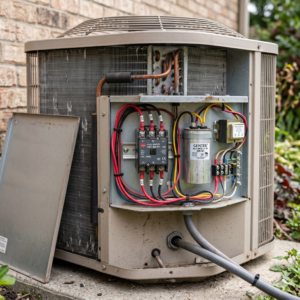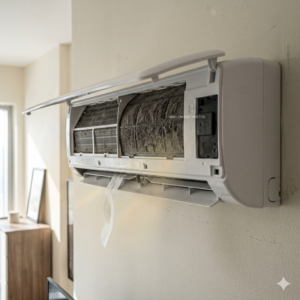





ductless ac installation in the UAE is not just about mounting an indoor unit and connecting pipes. It involves structural drilling, electrical safety, proper sizing for extreme heat, and careful planning to avoid costly mistakes. This guide explains the real installation process, hidden risks, and what you should understand before installing a ductless AC system.
Table of Contents
ToggleUnderstanding Ductless AC Installation in UAE Homes
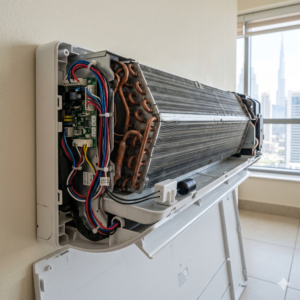
Ductless AC systems, also known as split AC systems, are widely used in UAE apartments, villas, and commercial spaces. They are preferred because they do not require ductwork, making them ideal for retrofitting or upgrading older properties.
However, the installation process in the UAE is more complex than many expect due to:
- Concrete wall structures
- Extreme outdoor temperatures
- Strict electrical and safety requirements
- High exposure to sunlight and dust
This means proper installation is not optional—it directly affects performance, lifespan, and safety.
Core Cutting Through Concrete Walls
One of the first steps in ductless AC installation is creating a hole through the wall to pass copper pipes, electrical wiring, and drainage.
In UAE buildings, walls are typically reinforced concrete, not drywall. This requires a process called core cutting.
What Core Cutting Involves
- Using diamond drill equipment
- Creating precise circular openings
- Maintaining structural integrity
Dust Control During Drilling
Core cutting generates heavy dust if not controlled properly. Professional installers use:
- Wet drilling techniques
- Dust collection systems
- Protective coverings for interiors
Without proper dust control, fine concrete particles can spread throughout your home.
Risk of Drilling Into Concealed Utilities
This is one of the most overlooked risks in ductless AC installation.
Inside UAE walls, there may be:
- Electrical wiring
- Water pipes
- Drainage lines
Drilling blindly can result in serious damage, including electrical hazards or water leaks.
Professional installers reduce this risk by:
- Using detection tools
- Studying building layouts
- Choosing safe drilling zones
Importance of T3 Compressor for UAE Climate
Not all AC units are designed for Gulf temperatures.
In the UAE, outdoor temperatures often exceed 45°C. Standard compressors may struggle under these conditions.
This is why T3-rated compressors are recommended.
What T3 Means
- Designed for high ambient temperatures
- Maintains cooling efficiency under extreme heat
- More durable for long operating hours
Installing a non-T3 unit may result in weak cooling and faster wear.
Correct BTU Sizing for Sun-Exposed Rooms
Choosing the right AC capacity is critical.
In UAE properties, room exposure significantly affects cooling requirements.
Factors That Affect BTU Sizing
- Room size (square meters)
- Sun exposure (direct sunlight vs shaded)
- Ceiling height
- Number of occupants
For example, a room facing direct sunlight may require higher BTU capacity than a similar-sized shaded room.
Incorrect sizing leads to:
- Overworking the system
- Higher electricity consumption
- Uneven cooling
External Copper Piping Protection
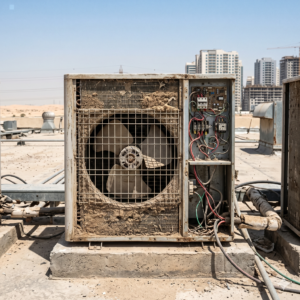
After installation, copper pipes connecting indoor and outdoor units are exposed to outdoor conditions.
In the UAE, this exposure includes:
- Strong UV radiation
- Extreme heat
- Dust accumulation
Proper Protection Methods
- UV-resistant insulation
- PVC trunking to cover pipes
- Secure mounting to prevent vibration
Without protection, insulation can degrade quickly, leading to energy loss and reduced efficiency.
Distance and Elevation Limits Between Units
The performance of a ductless AC system depends on the distance between indoor and outdoor units.
Typical Limits
- Maximum pipe length: usually 10–20 meters (varies by brand)
- Maximum height difference: typically 5–10 meters
Exceeding these limits can cause:
- Reduced cooling efficiency
- Increased compressor load
- Potential system failure
Proper planning ensures optimal placement within these limits.
Condensation Drainage Solutions
Every AC unit produces condensation that must be drained safely.
Common Drainage Methods
- Gravity drainage (preferred)
- Connection to existing drain lines
- Outdoor discharge
When a Condensate Pump Is Needed
A condensate pump is required when:
- No natural slope for drainage
- Indoor unit is below drain level
- Long drainage routes are required
Without proper drainage, water leakage can occur inside the property.
Electrical Requirements for Ductless AC Installation
Ductless AC systems require a stable and dedicated power supply.
Key Electrical Considerations
- Dedicated circuit for each unit
- Proper circuit breaker sizing
- Correct wiring standards
Sharing circuits with other appliances can lead to overload and system failure.
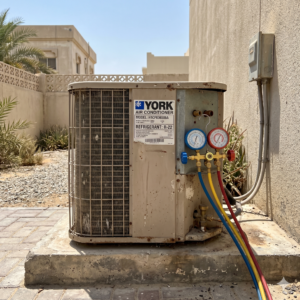
Outdoor Isolator Switch Compliance (DEWA / SEWA)
In the UAE, electrical safety regulations require an outdoor isolator switch.
Purpose of Isolator Switch
- Allows safe maintenance
- Disconnects power during emergencies
- Ensures compliance with local regulations
This is mandatory under authorities such as DEWA (Dubai) and SEWA (Sharjah).
Skipping this step may result in safety risks and non-compliance.
Hidden Costs in Ductless AC Installation
Many low quotes do not include all required components.
Common hidden costs:
- Core cutting charges
- Additional piping length
- Drainage modifications
- Electrical upgrades
- Condensate pump installation
Understanding these factors helps you avoid unexpected expenses.
Common Installation Mistakes to Avoid
- Incorrect unit sizing
- Poor pipe insulation
- Improper drainage slope
- Overextended pipe length
- Skipping safety components
These mistakes can reduce system performance and lifespan.
Why Proper Installation Matters Long-Term
Ductless AC installation directly affects:
- Cooling efficiency
- Energy consumption
- Indoor air quality
- System lifespan
A properly installed system operates smoothly, while a poorly installed one may require frequent repairs.
When to Consider Ductless AC Installation
- Upgrading old AC systems
- Adding cooling to new rooms
- Replacing inefficient units
- Improving energy efficiency
This system is especially useful for spaces without existing ductwork.
Long-Term Maintenance After Installation
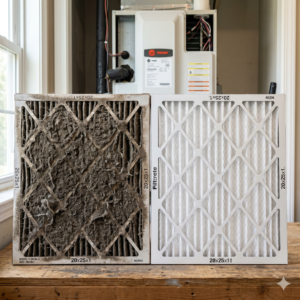
Installation is only the first step. Regular maintenance is required to maintain performance.
- Filter cleaning every few weeks
- Periodic system inspection
- Deep cleaning when needed
Many issues arise not from installation, but from lack of maintenance.
If you are planning a ductless AC installation, it is important to approach it carefully rather than focusing only on initial cost. Improper installation can lead to poor cooling, higher electricity consumption, water leakage, and long-term damage to the system. With the right setup, these risks can be avoided and the system can perform efficiently even in extreme UAE conditions. If you need clarity about installation requirements or system suitability, you can use the WhatsApp or Call button on the top right to connect with the Bio On Air team and understand the most suitable next step.
Conclusion
Ductless AC installation in the UAE involves more than basic setup. From core cutting and electrical compliance to proper sizing and drainage, each step plays a critical role in system performance. Understanding these factors helps you avoid hidden costs, ensure safety, and achieve long-term comfort and efficiency.