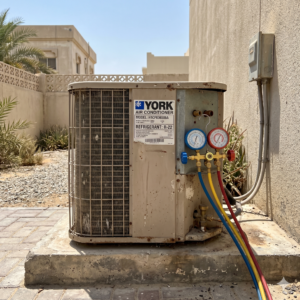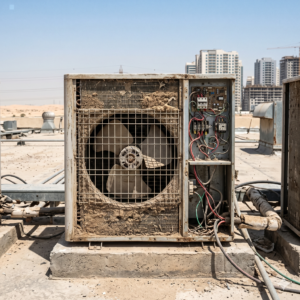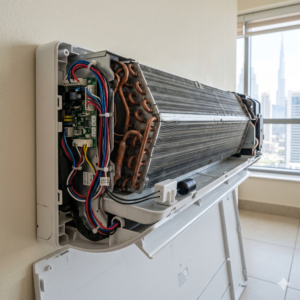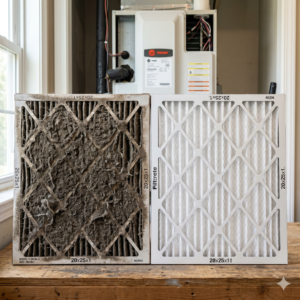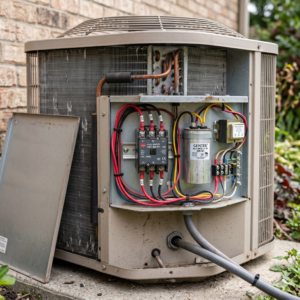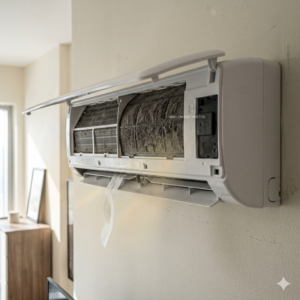





Understanding refrigerant gas refill is essential if your AC is not cooling properly in the UAE. Many people assume gas gets “used up,” but in reality, AC systems are closed-loop. Low refrigerant almost always indicates a leak. This guide explains how refrigerant works, when refill is needed, correct procedures, pressure expectations, and realistic UAE pricing.
Table of Contents
ToggleRefrigerant Gas Refill Explained Simply
Refrigerant is the substance inside your AC system responsible for absorbing heat from indoor air and releasing it outside. Without it, cooling cannot happen.
However, one critical point must be clear:
- Refrigerant does not get consumed like fuel
- It circulates continuously inside a sealed system
- If levels are low, there is almost always a leak
This means that simply refilling gas without fixing the leak is not a complete solution. It may restore cooling temporarily, but the problem will return.
Why Refrigerant Levels Drop in UAE AC Systems
In UAE conditions, AC systems run for long hours under high load. This increases stress on components such as copper pipes, joints, and valves.
Common causes of refrigerant loss include:
- Micro leaks in copper piping
- Loose flare connections
- Corrosion due to humidity and condensation
- Improper installation or vibration over time
Because AC systems operate almost continuously in Dubai, even small leaks can gradually reduce refrigerant levels and affect performance.
R22 vs R410A Refrigerant in UAE
Most AC units in the UAE use either R22 or R410A refrigerant. Understanding the difference is important when discussing refill cost and procedure.
| Feature | R22 | R410A |
|---|---|---|
| Usage | Older systems | Modern systems |
| Pressure | Lower | Higher |
| Environmental Impact | Being phased out | More eco-friendly |
| Refill Approach | Top-up possible | Full recharge recommended |
R22 is gradually being phased out globally, which makes it more expensive and less available. R410A, on the other hand, is widely used in newer systems but requires stricter handling.
Pressure Characteristics in UAE Conditions
Refrigerant pressure varies depending on outdoor temperature. In the UAE, high ambient temperatures directly affect system pressure readings.
Typical pressure ranges:
- R22 suction pressure: 60 – 75 PSI (approximate)
- R410A suction pressure: 110 – 130 PSI (approximate)
These values can increase under extreme heat conditions.
Important: Pressure readings alone are not enough to determine refrigerant level. They must always be interpreted together with:
- Temperature
- Airflow condition
- System load
Top-Up vs Full Refrigerant Recharge
Top-Up (Partial Refill)
Top-up means adding refrigerant to restore pressure without fully removing existing gas.
- Suitable for R22 systems
- Used when leak is minor and controlled
- Faster and cheaper
Full Recharge
Full recharge means removing all refrigerant and refilling the system from zero.
- Required for R410A systems
- Necessary for major leaks
- Ensures correct gas composition
R410A is a blended refrigerant, which means topping up can change its composition and reduce performance. That is why full recharge is recommended.
Signs Your AC Needs Refrigerant Gas Refill
- Weak or warm airflow
- AC running longer than usual
- Ice forming on evaporator coil
- Hissing sound (possible leak)
- Higher electricity bills
Ice formation is one of the strongest indicators of low refrigerant. When pressure drops, temperature inside the coil becomes too low, causing moisture to freeze.
Proper Refrigerant Refill Procedure
A correct refill is not just about adding gas. It involves a structured process.
1. Leak Detection
Technicians must first identify the source of the leak using pressure testing or detection tools.
2. Nitrogen Pressure Testing
Nitrogen is used to test system integrity under pressure and confirm leaks.
3. Repairing the Leak
Leaks must be sealed before any refill is performed.
4. Vacuuming
The system is vacuumed to remove air and moisture. This step is critical for performance and system health.
5. Charging by Weight
Refrigerant must be added according to manufacturer specifications using a scale—not guesswork.
This is where professional refrigerant gas refill handling becomes important, as incorrect charging can damage the compressor.
UAE Price Range for Refrigerant Gas Refill
Below are realistic price ranges based on UAE market conditions (slightly below average market levels).
| Service Type | Estimated Price (AED) |
|---|---|
| Basic Top-Up (R22) | 150 – 350 |
| Partial Refill (R410A small adjustment) | 200 – 400 |
| Full Recharge (R410A) | 400 – 900 |
| Leak Repair + Recharge | 500 – 1,200+ |
Note: Prices may vary depending on system size, refrigerant quantity, and severity of the leak.
Why Cheap Gas Refill Offers Are Risky
Very cheap offers often skip important steps:
- No leak detection
- No vacuuming
- Charging based on pressure only
This leads to:
- Short-term cooling improvement
- Repeated gas loss
- Compressor damage
In the long run, this increases total repair cost.
Why Leak Repair Is More Important Than Refill
Refilling gas without fixing the leak is like refilling a leaking container. It will not last.
Proper repair ensures:
- Stable cooling performance
- Reduced maintenance cost
- Longer AC lifespan
How UAE Climate Affects Refrigerant Performance
High outdoor temperatures in Dubai increase system pressure and workload. This means:
- Faster wear on components
- Higher chance of leaks
- Greater sensitivity to incorrect gas levels
This is why precise refrigerant handling is critical in the UAE.
How Often Should Refrigerant Be Refilled
Ideally, never—if the system is healthy.
However, if a refill is needed:
- Once every few years may indicate minor leak
- Frequent refills indicate unresolved issue
Repeated refill without repair is a warning sign.
Cost vs Value of Proper Refrigerant Service
The cost of refrigerant service should be seen as an investment in system performance.
- Prevents compressor failure
- Improves cooling efficiency
- Reduces electricity usage
Choosing the cheapest option often leads to higher costs later.
If your AC is showing signs of low refrigerant, it is important not to delay. Low gas levels can reduce cooling efficiency, increase energy consumption, and cause long-term damage to the compressor. Addressing the issue early helps prevent more serious and costly repairs. If you are unsure about your system condition, you can use the WhatsApp or Call button on the top right to connect with the Bio On Air team and understand the most appropriate next step based on your AC performance.
Conclusion
Refrigerant gas refill is not just about adding gas—it is about identifying leaks, following proper procedures, and ensuring long-term system health. Understanding how refrigerant works, correct refill methods, and realistic UAE pricing helps you make better decisions and avoid costly mistakes.