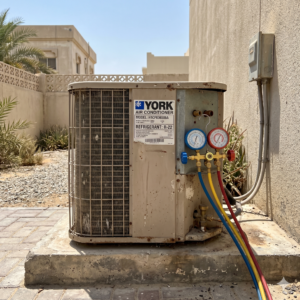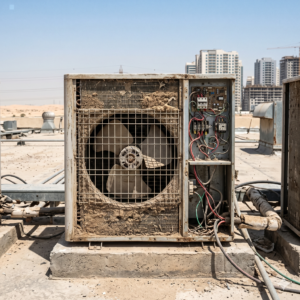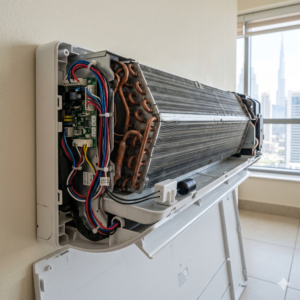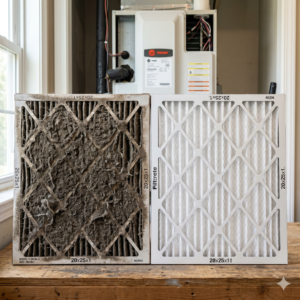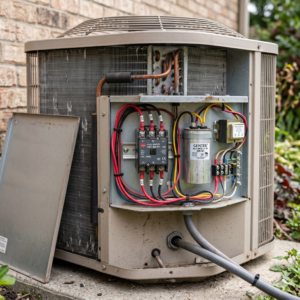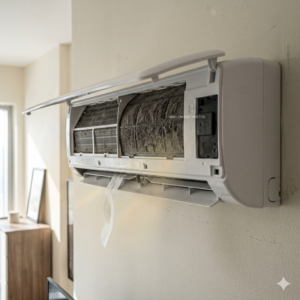





Choosing the right hvac contractor company in the UAE is critical for performance, compliance, and long-term operational stability. From system design to installation and maintenance, HVAC contractors play a central role in ensuring buildings remain efficient, safe, and comfortable under extreme conditions.
Table of Contents
ToggleWhat a Full-Scope HVAC Contractor Company Actually Does
Many people assume HVAC contractors only install or repair air conditioning systems. In reality, a professional HVAC contractor company in the UAE handles the entire lifecycle of the system—from design and engineering to installation, testing, and long-term maintenance.
Full-scope capabilities typically include:
- System design based on building requirements
- Heat load calculation and energy planning
- Electromechanical installation and MEP integration
- Testing, adjusting, and balancing (TAB)
- Ongoing maintenance and system optimization
This integrated approach ensures that the HVAC system performs efficiently from day one and continues to operate reliably over time.
Heat Load Calculation and ASHRAE-Compliant System Design
One of the most critical stages in HVAC contracting is system design. A professional contractor will begin with heat load calculation to determine the exact cooling and ventilation requirements of a building.
In the UAE, where temperatures can exceed 45°C, accurate load calculation is essential. Oversized systems waste energy, while undersized systems struggle to maintain comfort.
Design typically follows international standards such as ASHRAE (American Society of Heating, Refrigerating and Air-Conditioning Engineers), ensuring:
- Proper cooling capacity
- Balanced airflow distribution
- Humidity control
- Energy efficiency optimization
ASHRAE-compliant design also supports long-term sustainability and regulatory approval processes.
Electromechanical Installation and MEP Integration
After design approval, HVAC contractors move into the installation phase, which involves electromechanical works and integration with the building’s MEP (Mechanical, Electrical, Plumbing) systems.
This stage includes:
- Installation of ductwork and piping systems
- Electrical connections and control systems
- Integration with building management systems (BMS)
- Coordination with structural and architectural elements
In large projects, coordination between HVAC, electrical, and plumbing systems is critical. Poor integration can lead to inefficiencies, system conflicts, and future operational issues.
Testing, Adjusting, and Balancing Before Handover
Before a project is completed, HVAC systems must undergo testing, adjusting, and balancing (TAB).
This process ensures that:
- Airflow is evenly distributed across all zones
- Cooling performance meets design specifications
- System pressure and flow rates are optimized
- No leaks or inefficiencies are present
TAB is often overlooked in lower-quality projects, but it is essential for achieving proper system performance and occupant comfort.
Expertise in Large-Scale HVAC Systems in UAE
HVAC contractor companies in the UAE must handle complex systems designed for high-performance environments.
Chiller Systems
Used in large buildings such as malls, hotels, and commercial towers, chiller systems provide centralized cooling with high efficiency.
VRF / VRV Systems
Variable Refrigerant Flow (VRF) or Variable Refrigerant Volume (VRV) systems allow precise temperature control across multiple zones, making them ideal for offices and mixed-use developments.
District Cooling Integration
In many UAE developments, district cooling replaces traditional AC systems. Contractors must integrate building systems with centralized cooling networks.
FAHU and Ventilation Systems
Fresh Air Handling Units (FAHU) ensure proper ventilation and indoor air quality, especially in sealed buildings.
Heat Recovery Systems
These systems improve energy efficiency by reusing waste heat from HVAC operations.
Handling these systems requires advanced engineering knowledge and specialized equipment.
In-House Engineering vs Subcontracted Labor
One key factor when choosing an HVAC contractor company is whether they rely on in-house engineering teams or subcontracted labor.
| Aspect | In-House Team | Subcontracted Labor |
|---|---|---|
| Quality Control | High | Variable |
| Accountability | Direct | Limited |
| Project Consistency | Stable | May vary |
Companies with strong in-house teams typically offer better quality control and consistency across projects.
Regulatory Compliance in UAE HVAC Projects
HVAC contractors in the UAE must comply with strict regulatory requirements to ensure safety, efficiency, and environmental standards.
Dubai Municipality
Ensures compliance with building codes, ventilation standards, and energy efficiency requirements.
Abu Dhabi Municipality
Oversees construction standards and system performance in Abu Dhabi projects.
Estidama (Pearl Rating System)
Focuses on sustainability and environmental impact, especially in Abu Dhabi developments.
Civil Defense Approvals
Ensures HVAC systems meet fire safety and smoke control requirements.
Working with a contractor familiar with these regulations reduces approval delays and ensures project compliance.
Commercial Annual Maintenance Contracts (AMC)
After installation, HVAC systems require ongoing maintenance. This is where Annual Maintenance Contracts (AMC) come into play.
AMC structures typically include:
- Scheduled preventive maintenance visits
- System inspection and cleaning
- Performance monitoring
- Minor repairs and adjustments
For commercial properties, AMC is essential for maintaining system reliability and avoiding downtime.
Preventive vs Predictive Maintenance Strategies
Preventive Maintenance
Regular servicing based on a fixed schedule to prevent issues before they occur.
Predictive Maintenance
Uses data and monitoring to predict failures and address them proactively.
Combining both strategies ensures maximum system efficiency and minimal disruption.
SLA Emergency Response Commitments
In commercial environments, downtime can result in significant financial loss. This is why HVAC contractors offer Service Level Agreements (SLA).
Typical SLA commitments include:
- Response within a specified time frame
- Priority support for critical systems
- 24/7 emergency availability
These agreements provide assurance that issues will be handled quickly and professionally.
Long-Term Operational Risk Mitigation
A professional HVAC contractor company does more than install systems—they help reduce long-term risks.
Key risk mitigation strategies include:
- Proper system design to avoid overloading
- Regular maintenance to prevent breakdowns
- Monitoring system performance
- Ensuring compliance with safety standards
This approach protects both the building and its occupants.
Why HVAC Contractor Selection Impacts Project Success
Choosing the wrong contractor can lead to:
- System inefficiency
- Frequent breakdowns
- High operational costs
- Regulatory issues
On the other hand, a qualified contractor ensures smooth project execution and long-term system reliability.
From Installation to Long-Term Service Support
HVAC contracting does not end at installation. Long-term support is essential to maintain system performance.
This includes:
- Routine servicing
- System upgrades
- Performance optimization
For example, services like structured AC maintenance programs help maintain system efficiency and reduce unexpected failures.
Conclusion
An HVAC contractor company plays a critical role in designing, installing, and maintaining HVAC systems in the UAE. By understanding their full scope of work—from design to maintenance—you can make informed decisions that ensure efficiency, compliance, and long-term reliability.