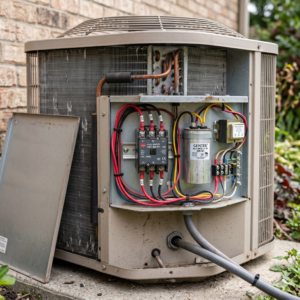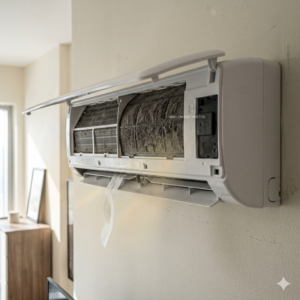





AC monitoring Dubai is becoming essential as more homes and businesses rely on continuous cooling in extreme heat. With smart systems, IoT sensors, and remote tracking, you can monitor performance, detect issues early, and reduce energy costs. This guide explains how AC monitoring works, what to track, and how to choose the right setup.
Table of Contents
ToggleWhat Is AC Monitoring and Why It Matters in Dubai
AC monitoring refers to tracking the performance and condition of your air conditioning system in real time. Instead of waiting for problems, you monitor key data such as temperature, airflow, and energy usage to detect issues early.
In Dubai, this is especially important because:
- AC systems run almost continuously
- High outdoor temperatures create system stress
- Humidity and dust affect performance over time
Without monitoring, small issues like airflow restriction or refrigerant imbalance can go unnoticed until they become major failures.
Types of AC Monitoring Systems Available in UAE
1. Smart Thermostats with WiFi Control
Smart thermostats are the most common entry-level solution for residential AC monitoring.
Features include:
- Remote temperature control via mobile apps
- Scheduling and automation
- Energy usage tracking
These systems are suitable for apartments and villas with basic cooling setups.
2. IoT-Based Monitoring for Multi-Split and VRF Systems
Advanced properties use IoT (Internet of Things) sensors to monitor multiple AC units simultaneously.
These systems track:
- Real-time system performance
- Equipment health
- Fault alerts and diagnostics
IoT monitoring is commonly used in commercial buildings and large villas with complex AC systems.
3. Professional Remote Monitoring Services
Facility management companies in the UAE offer remote AC monitoring services.
This includes:
- Continuous system tracking
- Alert notifications for faults
- Scheduled maintenance planning
This option is ideal for businesses or property managers who need reliable system oversight.
Residential vs Commercial AC Monitoring
| Feature | Residential | Commercial |
|---|---|---|
| System Complexity | Low to moderate | High |
| Monitoring Tools | Smart thermostats | IoT + BMS systems |
| Cost | Lower | Higher |
| Control Level | Basic automation | Full system control |
Residential setups focus on comfort and energy savings, while commercial setups prioritize system stability and operational efficiency.
Key AC Performance Metrics You Should Monitor
1. Supply and Return Air Temperature
This measures how effectively your AC is cooling. A large difference indicates good performance.
2. Ampere Load
Monitoring electrical load helps detect overworking compressors or electrical faults.
3. Humidity Levels
High humidity can indicate airflow issues or improper cooling balance.
4. Energy Consumption
Tracking energy usage helps identify inefficiencies and reduce DEWA bills.
Integration with Smart Home Systems
Modern AC monitoring systems can integrate with smart home platforms such as:
- Amazon Alexa
- Google Home
- Apple HomeKit
This allows voice control, automation, and centralized system management.
Integration with Building Management Systems (BMS)
Commercial buildings often use BMS to control HVAC systems.
Benefits include:
- Centralized monitoring of all AC units
- Automated fault detection
- Energy optimization
BMS integration is essential for large-scale operations.
Installation Options for AC Monitoring Systems
DIY Installation
Smart thermostats can often be installed by homeowners with basic technical knowledge.
Professional Installation
For complex systems, professional installation ensures proper setup and compliance with UAE standards.
In some cases, monitoring is integrated with broader services such as AC maintenance programs to ensure long-term system performance.
Cost of AC Monitoring in Dubai
Hardware Cost
- Smart thermostat: AED 300 – 900
- IoT monitoring system: AED 1,500 – 5,000+
Subscription-Based Monitoring
- Basic monitoring service: AED 50 – 150 per month
- Advanced monitoring with alerts: AED 150 – 400 per month
Note: Prices are indicative and may vary depending on system complexity and provider.
Financial Benefits of AC Monitoring
1. Reduced Energy Bills
Monitoring helps optimize system usage, reducing unnecessary energy consumption.
2. Extended AC Lifespan
Early detection of issues prevents major damage.
3. Fewer Emergency Repairs
Preventive monitoring reduces sudden breakdowns.
Common AC Problems Detected Through Monitoring
- Airflow restriction
- Refrigerant imbalance
- Electrical overload
- Sensor malfunction
These issues can be detected early before causing major system failure.
When Should You Consider AC Monitoring
- High electricity bills
- Frequent AC breakdowns
- Inconsistent cooling
- Large property with multiple units
Why AC Monitoring Is Becoming Standard in UAE
Due to rising temperatures and energy costs, AC monitoring is no longer optional—it is becoming a standard solution for efficient cooling management.
It provides visibility, control, and long-term savings.
If you are experiencing inconsistent cooling, rising energy bills, or repeated AC issues, monitoring can help you identify the root cause early. Without proper tracking, small inefficiencies can lead to poor air quality, higher electricity costs, and unexpected system failures. Addressing these issues early helps maintain comfort and system performance. If you need guidance on the right monitoring or maintenance approach, you can use the WhatsApp or Call button on the top right to connect with the Bio On Air team and understand the most suitable next step for your AC system.
Conclusion
AC monitoring Dubai is a smart investment for both residential and commercial properties. By tracking key performance metrics and using the right system, you can reduce costs, prevent breakdowns, and maintain a comfortable indoor environment.