




The question does ac change skin color often comes from people who notice their skin looking dull, darker, or uneven after spending long hours in air-conditioned spaces. In reality, AC does not directly change your natural skin pigment, but it can affect how your skin looks, feels, and behaves. This guide explains the science behind it, what is really happening, and how to protect your skin in AC-heavy environments like the UAE.
Table of Contents
ToggleDoes AC Actually Change Skin Color or Just Appearance
The short answer is: AC does not change your natural skin color.
Your real skin color is determined by melanin, a natural pigment produced by cells called melanocytes. This process is controlled by genetics, hormones, and sun exposure—not by air conditioning.
However, AC can make your skin appear different. Many people interpret this visual change as a “color change,” but it is usually caused by:
- Dehydration
- Dullness
- Uneven texture
- Temporary redness or irritation
So when you feel like your skin is getting darker or losing its glow, it is not because your melanin has changed—it is because your skin condition has changed.
Understanding Melanin vs Dehydration Effects
To understand why AC affects your skin appearance, it is important to separate two concepts:
| Factor | Melanin (Real Skin Color) | Dehydration (Skin Appearance) |
|---|---|---|
| Cause | Genetics, UV exposure | Dry air, low humidity |
| Effect | Permanent or long-term | Temporary dullness |
| Change Speed | Slow | Fast |
| Reversible | Partially | Yes |
AC primarily affects the second column—hydration and appearance.
How AC Affects Skin in UAE Climate
In countries like the UAE, AC is used almost constantly. While outdoor conditions are hot and humid, indoor environments are cool and dry.
This creates a unique skin challenge:
- Outdoor: high heat and humidity
- Indoor: cold air with low moisture
Air conditioning removes humidity from the air to improve comfort. However, this also pulls moisture from your skin.
Over time, this leads to:
- Loss of skin hydration
- Reduced natural glow
- Rough or uneven texture
- Increased sensitivity
This is the main reason people feel their skin tone has changed.
Why Skin Looks Darker or Duller in AC Rooms
When your skin loses moisture, it reflects light differently. Hydrated skin appears smooth and bright, while dry skin looks rough and uneven.
This causes:
- Less light reflection (dull appearance)
- Shadow effect on uneven texture
- More visible pores and fine lines
The result is often perceived as “darker skin,” even though melanin levels remain unchanged.
Impact of Prolonged AC Exposure on Skin Health
1. Moisture Loss
Continuous exposure to AC reduces skin hydration levels. This weakens the skin barrier and makes it more prone to irritation.
2. Oil Imbalance
When skin becomes dry, it may produce more oil to compensate. This can lead to:
- Oily yet dehydrated skin
- Clogged pores
- Breakouts
3. Increased Sensitivity
Dry skin becomes more reactive, leading to redness and irritation.
4. Reduced Skin Glow
Healthy skin reflects light evenly. Dehydrated skin loses this natural glow.
Common Skin Issues Mistaken as Color Change
1. Hyperpigmentation
Dark spots may appear due to inflammation, acne, or UV exposure—not AC directly.
2. Redness
Dryness can cause irritation, making skin look uneven in tone.
3. Post-Inflammatory Marks
Small skin injuries or acne can leave marks that appear darker.
4. Patchy Skin Tone
Uneven hydration can make some areas appear darker than others.
These are often mistaken for overall color change.
The Role of Indoor UV Exposure
Many people believe they are safe from UV exposure indoors, but this is not always true.
Sunlight can pass through windows, especially UVA rays, which contribute to:
- Skin aging
- Hyperpigmentation
- Uneven skin tone
This means your skin may still be affected even when you are inside an air-conditioned room.
Temperature Shifts and Skin Stress
In the UAE, moving between extreme outdoor heat and cold indoor AC creates stress on the skin.
This rapid transition can:
- Disrupt skin barrier function
- Cause redness or irritation
- Affect oil production
Over time, this can lead to uneven skin appearance.
Scientific Explanation of Skin Barrier Damage
Your skin has a protective layer called the skin barrier. It helps retain moisture and protect against external damage.
AC environments can weaken this barrier by:
- Reducing humidity
- Increasing transepidermal water loss
- Disrupting lipid balance
When the barrier is compromised, skin becomes dry, dull, and more vulnerable.
Practical Ways to Protect Your Skin in AC Environments
1. Stay Hydrated
Drinking enough water helps maintain internal hydration, which supports skin health.
2. Use a Good Moisturizer
Choose products with ingredients like:
- Hyaluronic acid
- Ceramides
- Glycerin
3. Add a Humidifier
Using a humidifier helps restore moisture in indoor air.
4. Avoid Overwashing
Frequent washing can strip natural oils and worsen dryness.
5. Apply Sunscreen Indoors
Especially if you are near windows, sunscreen protects against UV exposure.
6. Use Gentle Skincare Products
Avoid harsh ingredients that can irritate already dry skin.
Dermatologist-Recommended Routine for AC Environments
- Morning: gentle cleanser + moisturizer + sunscreen
- Daytime: reapply moisturizer if needed
- Night: hydrating serum + repair cream
This routine helps maintain skin balance despite AC exposure.
Does AC Affect Different Skin Types Differently
| Skin Type | Effect of AC |
|---|---|
| Dry Skin | Becomes more dehydrated |
| Oily Skin | Oil imbalance and breakouts |
| Sensitive Skin | Higher risk of irritation |
| Combination Skin | Uneven dryness |
Understanding your skin type helps you adapt your routine.
Long-Term Effects of AC on Skin
Without proper care, long-term AC exposure can lead to:
- Chronic dryness
- Premature aging
- Persistent dullness
However, these effects are preventable with proper skincare.
Indoor Air Quality and Skin Health
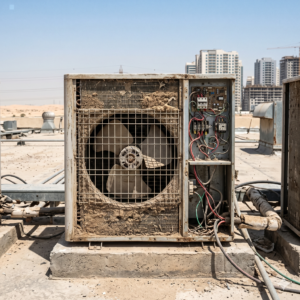
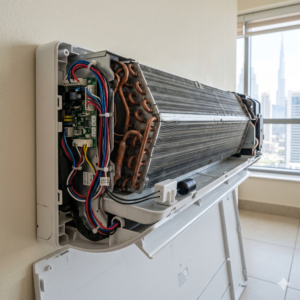
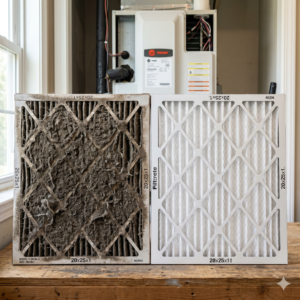
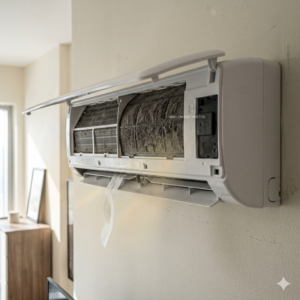
Air quality also plays a role in how your skin behaves indoors. Dust, allergens, and contaminants circulating through AC systems can settle on your skin and contribute to irritation or breakouts.
This is why maintaining clean airflow systems is important—not just for breathing comfort, but also for skin health. If indoor air carries particles or contaminants, it can worsen dryness and sensitivity over time.
Addressing airflow quality early helps reduce these risks. If you notice persistent dryness, irritation, or discomfort indoors, it may be worth checking both your environment and your AC system condition. You can use the WhatsApp or Call button on the top right to connect with the Bio On Air team and better understand how indoor air conditions may be affecting your space.
Conclusion
So, does AC change skin color? No—it does not alter your natural pigment. However, it can significantly affect how your skin looks and feels by reducing moisture and impacting skin balance. With the right care and awareness, you can maintain healthy, glowing skin even in AC-heavy environments like the UAE.