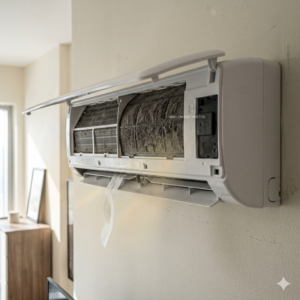





Understanding air conditioning installation rules in Dubai is essential before installing or replacing any AC system. The UAE has strict regulations covering permits, electrical safety, drainage, and outdoor unit placement. This guide explains approvals, technical rules, compliance requirements, and what you must follow to avoid penalties.
Table of Contents
ToggleWhy AC Installation Rules Matter in Dubai
In Dubai, AC installation is not just a technical task—it is a regulated activity. Because buildings are closely connected and systems affect shared infrastructure, improper installation can lead to safety risks, water damage, electrical hazards, and even legal penalties.
Unlike some regions where installation is flexible, Dubai enforces clear rules through authorities such as Dubai Municipality, DEWA, and building management.
Following these rules ensures:
- Safe operation of the AC system
- Protection of building structure and facade
- Proper electrical and drainage integration
- Compliance with community and authority regulations
Required Approvals and Permits
Dubai Municipality Fit-Out Permit
For major AC installation or replacement—especially in apartments, villas, or commercial units—a fit-out permit may be required. This is typically applicable when:
- Modifying duct layout
- Installing new centralized systems
- Changing AC capacity significantly
- Altering building structure
The permit ensures that the installation complies with building codes and safety standards.
Building Management NOC
In most residential buildings and communities, you must obtain a No Objection Certificate (NOC) from building management before installation.
This is required because:
- AC work may affect shared systems
- Facade changes must be controlled
- Noise and vibration must be managed
Without an NOC, installation work may be stopped or fined.
Outdoor Condenser Placement Rules
Facade Visibility Restrictions
Outdoor AC units cannot be placed freely on building facades. Many communities in Dubai restrict visible installations to maintain aesthetics.
Rules often include:
- Placement only in designated AC areas
- Prohibition of units on balconies without approval
- No drilling visible external walls without permission
Drilling and Structural Limitations
Drilling into structural elements requires approval. Unauthorized drilling can weaken the building and result in penalties.
Approved contractors typically follow guidelines on:
- Wall penetration points
- Pipe routing paths
- Insulation requirements
Noise and Vibration Control
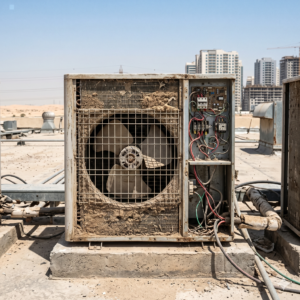
Outdoor units must comply with noise regulations. Improper installation can cause vibration that disturbs neighbors.
To meet standards:
- Rubber mounts or vibration pads are used
- Units are positioned away from shared walls
- Noise levels must remain within limits
Condensate Drainage Regulations
One of the most strictly enforced rules in Dubai is proper condensate drainage.
AC systems produce water during operation. If not managed properly, this can lead to:
- Water dripping from buildings
- Mold growth inside walls
- Damage to property or public areas
Regulations require:
- Drain lines connected to approved drainage systems
- No direct dripping onto balconies or streets
- Proper slope and insulation of drain pipes
Poor drainage is one of the most common causes of complaints in residential communities.
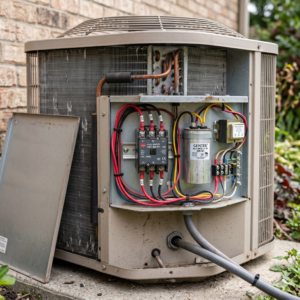
DEWA Electrical Compliance
Dedicated Electrical Circuit
Each AC unit must have a dedicated electrical circuit. This prevents overload and ensures safe operation.
Shared circuits are not allowed because they:
- Increase risk of electrical failure
- Cause breaker trips
- Reduce system efficiency
Isolator Switch Placement
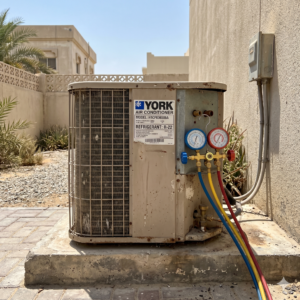
Dubai regulations require an isolator switch near the outdoor unit.
This allows:
- Safe maintenance access
- Emergency shutdown capability
- Compliance with electrical safety standards
Proper Cable Sizing and Protection
Electrical wiring must match the AC capacity. Undersized cables can overheat and become dangerous.
Installations must follow DEWA-approved specifications.
Energy Efficiency Requirements
Dubai encourages the use of energy-efficient AC systems to reduce electricity consumption.
New installations should meet:
- Minimum energy efficiency ratings
- Approved refrigerant types
- Proper insulation standards
Efficient systems not only reduce bills but also comply with sustainability regulations.
Who Is Allowed to Install AC Systems
AC installation must be performed by licensed professionals.
Requirements include:
- Valid trade license for HVAC services
- Certified technicians
- Refrigerant handling certification
Unauthorized installation can result in:
- System failure
- Safety hazards
- Legal penalties
Proper AC installation and replacement services follow all regulatory and safety requirements.
Penalties for Non-Compliance
Failing to follow AC installation rules in Dubai can result in fines or corrective action.
Common violations include:
- Installing units without NOC
- Improper drainage causing water leakage
- Unauthorized facade modifications
- Electrical non-compliance
Possible consequences:
- Fines issued by authorities
- Forced removal or correction of installation
- Additional repair costs
Common Mistakes During AC Installation
- Incorrect unit sizing
- Poor drainage design
- Improper electrical connections
- Ignoring airflow requirements
These mistakes can reduce system efficiency and lead to frequent breakdowns.
Best Practices for Compliant AC Installation
- Always obtain required approvals before installation
- Use licensed HVAC professionals
- Ensure proper drainage and electrical setup
- Follow building-specific guidelines
Compliance ensures both safety and long-term system performance.
Long-Term Impact of Proper Installation
When AC installation follows Dubai regulations, it leads to:
- Stable cooling performance
- Lower maintenance costs
- Improved indoor air quality
- Reduced risk of system failure
Proper installation is the foundation of a reliable AC system.
If you are planning an AC installation or replacement, it is important to ensure everything is done correctly from the beginning. Improper installation can lead to drainage issues, electrical risks, reduced efficiency, and higher long-term costs. With the right approach, these risks can be avoided early. If you need clarity about your installation requirements or system setup, you can use the WhatsApp or Call button on the top right to connect with the Bio On Air team and understand the most suitable next step.
Conclusion
Air conditioning installation rules in Dubai are designed to ensure safety, efficiency, and compliance. By following proper approvals, technical standards, and professional installation practices, you can avoid penalties, maintain system performance, and ensure long-term comfort in your property.