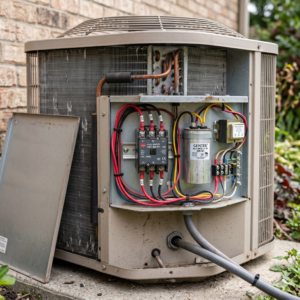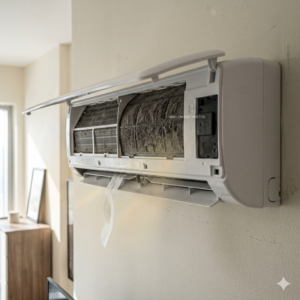





The hvac installation process in Dubai is not just about placing an AC unit—it involves careful planning, correct sizing, and strict technical steps to ensure performance under extreme heat and humidity. In this guide, we explain the full process from pre-installation to final commissioning and what you should expect as a homeowner.
Table of Contents
TogglePre-Installation Survey and Heat Load Calculation
The HVAC installation process always starts with a detailed site survey. In Dubai, this step is critical because outdoor temperatures can exceed 45°C, and indoor cooling demand is much higher than in many other regions.
Technicians evaluate:
- Room size and ceiling height
- Window size and glass exposure
- Wall insulation and orientation to sunlight
- Number of occupants and heat-generating appliances
This data is used to calculate the cooling load (often referred to as heat load). If this step is skipped or estimated incorrectly, the entire system performance will be affected.
Correct System Sizing and Why Oversizing Is a Problem
Many people assume that a bigger AC system is better. However, in Dubai, oversizing can create serious issues.
Oversized systems:
- Cool the room too quickly without removing humidity
- Cause indoor air to feel damp or uncomfortable
- Increase the risk of mold growth inside ducts
- Turn on and off frequently, reducing lifespan
Proper sizing ensures:
- Balanced cooling and dehumidification
- Stable indoor temperature
- Better energy efficiency
This is why system selection during HVAC installation and replacement must always be based on calculated load, not guesswork.
MEP Drawing Approval and Dubai Compliance
Before installation begins, larger projects—especially villas and commercial spaces—require MEP (Mechanical, Electrical, Plumbing) drawings.
These drawings must comply with:
- Dubai Municipality guidelines
- DEWA (Dubai Electricity and Water Authority) standards
- Building management requirements
This ensures:
- Electrical safety
- Proper load distribution
- Compliance with local building codes
Skipping this step can lead to installation delays or rejection during inspection.
Ductwork Installation Methods
Pre-Insulated (PI) Panels
Pre-insulated panels are commonly used in modern Dubai projects.
- Lightweight and easy to install
- Built-in insulation reduces heat gain
- Better resistance to condensation
GI Ducts with Insulation
Galvanized iron (GI) ducts are more traditional and still widely used.
- Durable and strong
- Require external insulation layer
- Higher risk of condensation if not installed properly
Both systems must include:
- Proper sealing to prevent air leakage
- Anti-bacterial or anti-mold coating
- Correct insulation thickness
Vibration and Noise Control Standards
Noise is often overlooked during installation, but it becomes a major issue later.
To reduce vibration and sound:
- Rubber pads are placed under outdoor units
- Spring hangers are used for duct support
- Flexible connectors reduce vibration transfer
Proper installation ensures indoor noise levels remain within comfortable limits.
Indoor and Outdoor Unit Placement
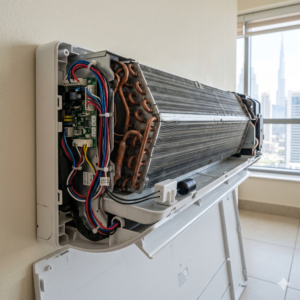
Indoor Unit Placement
- Positioned for even airflow distribution
- Avoid direct airflow onto occupants
- Installed with proper access for maintenance
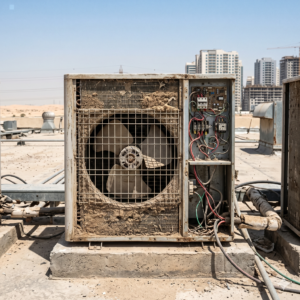
Outdoor Unit Placement
- Placed in well-ventilated areas
- Protected from direct sunlight if possible
- Installed on stable and level surfaces
Poor placement can reduce efficiency and increase energy consumption.
Condensate Drainage Planning
In Dubai’s humid conditions, condensation is constant. If not managed properly, it can cause leakage or mold growth.
Drainage must:
- Have proper slope for water flow
- Be free from blockages
- Include insulation to prevent sweating
This is one of the most common causes of post-installation issues.
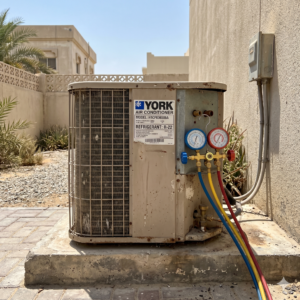
Refrigerant Pipe Installation and Testing
Refrigerant piping connects indoor and outdoor units and must be installed carefully.
- Pipes are brazed (joined using heat)
- Nitrogen is used during brazing to prevent oxidation
- Pressure testing is performed to check for leaks
Improper piping can lead to gas leaks and reduced cooling performance.
Electrical Wiring and Control Integration
Electrical work must follow UAE regulations.
- Dedicated power supply for AC units
- Proper circuit protection
- Correct thermostat and control wiring
This ensures safe and stable operation.
Commissioning Process
Vacuuming
The system must be vacuumed to remove air and moisture before operation.
- Vacuum level should reach below 500 microns
- This prevents internal corrosion and inefficiency
Gas Charging Verification
Refrigerant levels must be checked and adjusted.
Air Balancing
Airflow is measured and adjusted to ensure even cooling across all rooms.
Commissioning is one of the most critical steps in the HVAC installation process.
Typical Installation Timeline
| Property Type | Estimated Timeline |
|---|---|
| Apartment | 1 – 3 days |
| Villa (Small) | 3 – 7 days |
| Villa (Large) | 7 – 14 days |
Timeline depends on project complexity, ductwork scope, and approvals.
Post-Installation Checklist for Homeowners
- Check cooling performance in all rooms
- Verify refrigerant charge levels
- Confirm drainage slope and no leakage
- Ensure thermostat is functioning correctly
- Review warranty details
- Set up AMC (Annual Maintenance Contract)
Proper follow-up ensures the system continues to perform efficiently.
Common Installation Mistakes to Avoid
- Skipping heat load calculation
- Oversizing the system
- Poor duct insulation
- Incorrect drainage slope
- Improper refrigerant handling
These mistakes can lead to long-term issues that are expensive to fix.
Why Installation Quality Matters Long-Term
Even the best AC unit will not perform well if installed incorrectly.
- Higher electricity bills
- Uneven cooling
- Frequent breakdowns
- Poor indoor air quality
Installation quality determines system performance more than the brand itself.
If you are planning a new installation or replacing an existing system, it is important to approach the process carefully rather than focusing only on equipment selection. Poor installation can lead to long-term issues such as inefficient cooling, increased energy consumption, and indoor air problems. Addressing each step properly—from sizing to commissioning—helps ensure reliable performance. If you need clarity on your installation plan or want to review your current setup, you can use the WhatsApp or Call button on the top right to connect with the Bio On Air team and understand the most suitable next step.
Conclusion
The hvac installation process in Dubai involves multiple technical steps, from planning and sizing to commissioning and verification. When done correctly, it ensures efficient cooling, healthy indoor air, and long-term system reliability in extreme climate conditions.